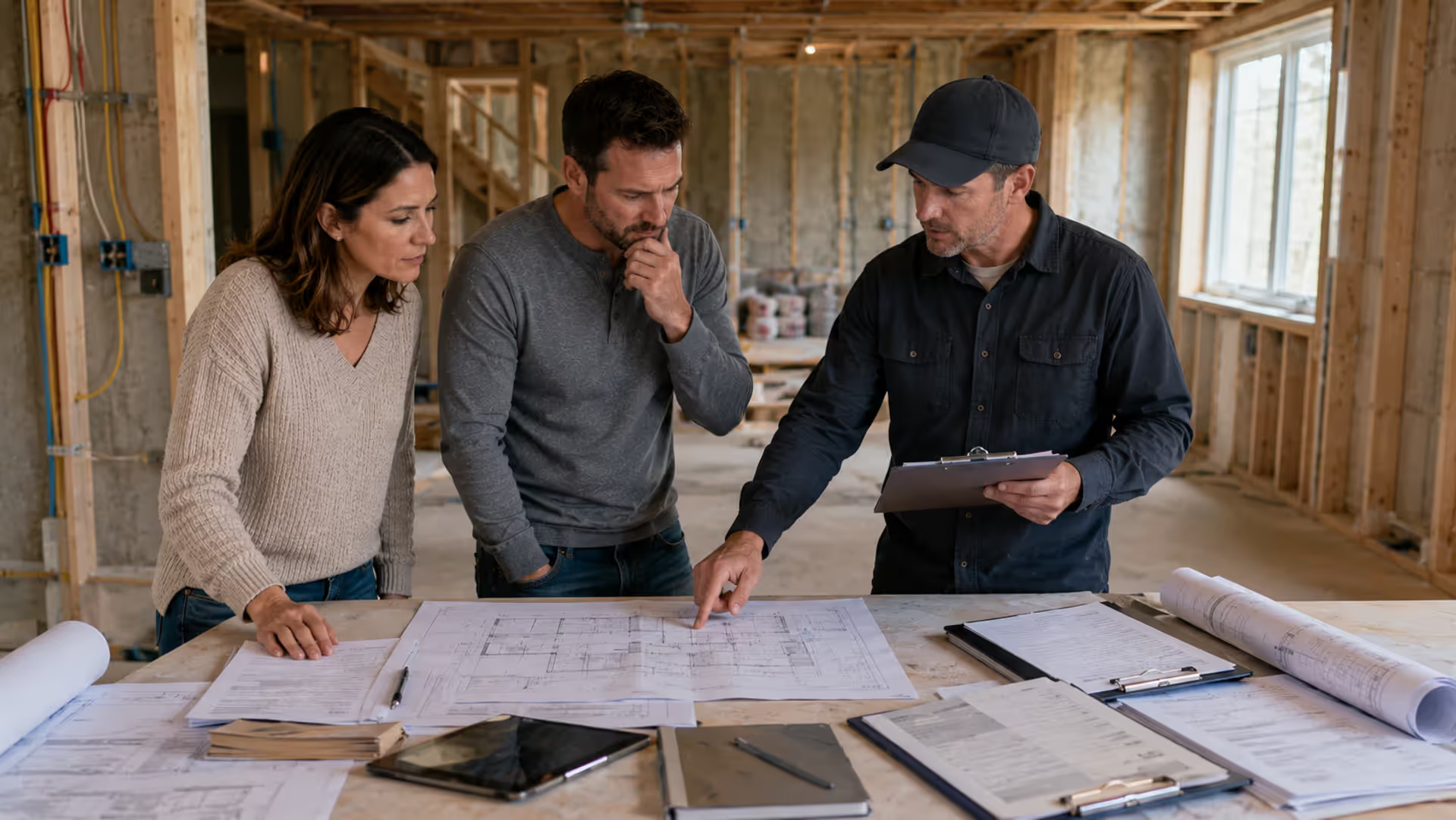
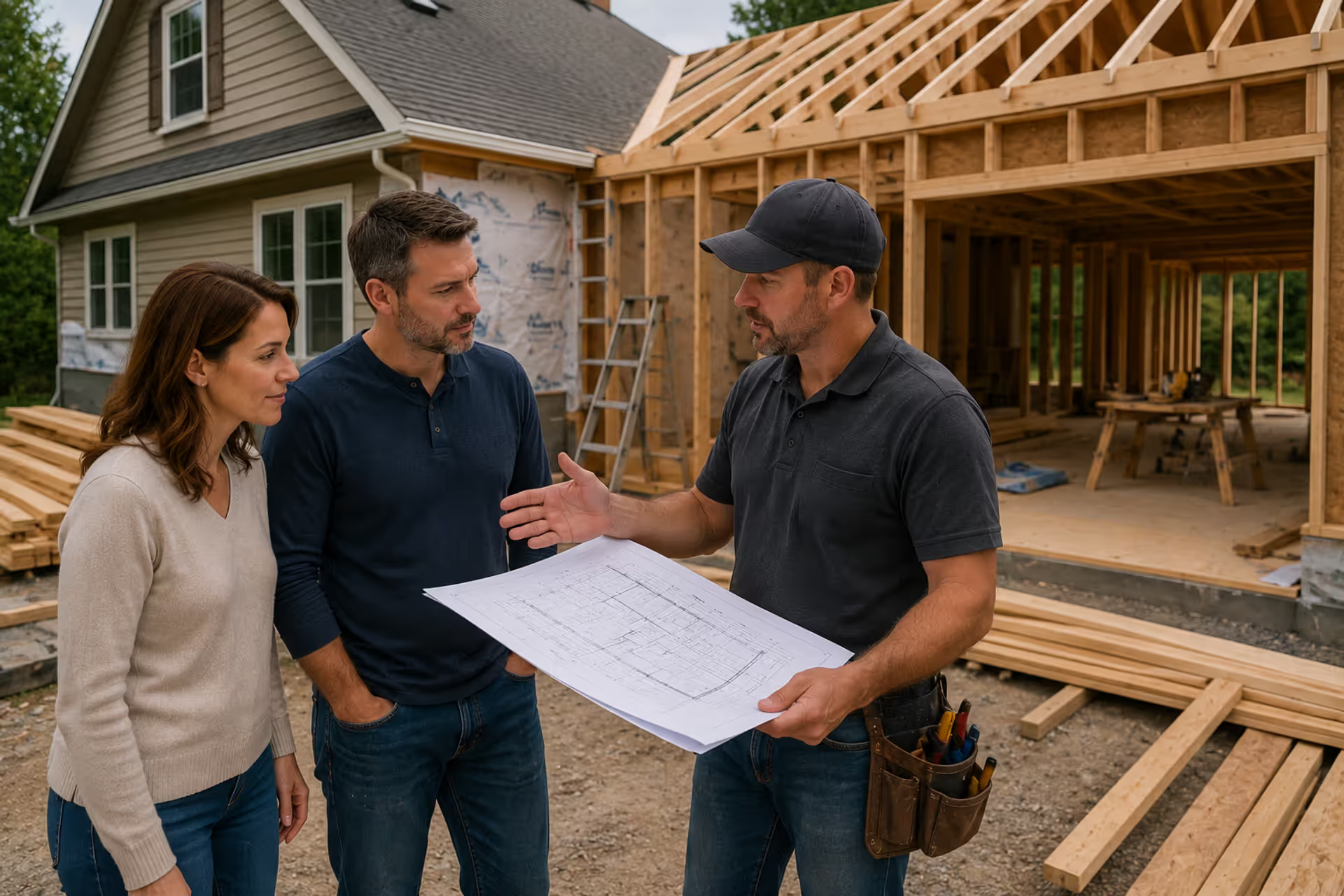
Homeowners reviewing a house addition project with a general contractor
Home Addition Contractors Guide

Content
So you're adding onto your house. Congratulations—you're about to learn more about building codes, load calculations, and subcontractor scheduling than you ever wanted to know. The contractor you pick determines whether this becomes a nightmare or just a moderately stressful life event. Some contractors orchestrate the entire circus. Others excel at exactly one thing. Knowing who handles what keeps your budget intact and your sanity somewhere within reach.
What Are Home Addition Contractors?
These are the licensed pros who expand your home's footprint or transform unusable space into rooms you actually live in. They manage the structural work, coordinate utilities, and make sure your new square footage looks like it's always been there.
Licensing varies dramatically by state. California requires a C-61/D-64 license before you can legally build residential additions. Texas mandates registration with the Texas Residential Construction Commission for anything over $5,000. Some states barely regulate contractors at all—which should terrify you.
The work they handle includes:
Room additions that tack bedrooms, bathrooms, or family rooms onto your existing floor plan. Second-story builds that add master suites or office space above your current structure. Sunrooms and three-season porches that blur the line between indoors and outdoors. In-law suites and ADUs (accessory dwelling units) for aging parents or rental income. Basement conversions that turn storage dungeons into actual living areas. Garage transformations that sacrifice parking for square footage.
A straightforward bump-out wraps up in six weeks. Full second stories eat six months minimum, sometimes nine.
Here's what catches people off guard: you're not just building new walls. You're splicing into your electrical panel, extending plumbing stacks, tying into HVAC ductwork, and matching roof lines—all while your family still lives there. The coordination alone justifies hiring someone who's done this before.
Types of Contractors for Home Addition Projects
The contractor world splits into three distinct camps. Each handles different project sizes, budgets, and headache levels.

Author: Sophie Langston;
Source: johnhranec.com
General Contractors for Additions
Think of GCs as orchestra conductors. They rarely pick up tools themselves. Instead, they hire and choreograph the specialists—framers, electricians, plumbers, drywall crews—who actually build your addition.
Their responsibilities include permitting paperwork and inspection scheduling. Hiring subcontractors and keeping them on schedule. Ordering materials so lumber shows up before framers need it. Checking quality and flagging code violations before inspectors do. Managing timelines when weather or supplier delays throw everything sideways. Watching the budget and explaining why that change you want costs $3,000 more than you thought.
You bring a GC into the picture after your architect finishes the plans. They bid the job, sign a contract, and execute what's on paper. This works beautifully for additions with locked-in designs.
The catch? Design changes mid-construction mean you're playing telephone between your architect and the GC. That slows everything and usually triggers change orders that make your wallet hurt.
Design-Build Contractors
These firms merge architecture and construction into one package. Your designer and builder work for the same company, share the same office, and collaborate from your first meeting through your final walkthrough.
This eliminates the communication black holes that plague traditional projects. When you want to move a window mid-construction, the designer and builder hash out feasibility and pricing in one conversation. No waiting days for your architect to call back the GC who then calls back you.
Expect to pay 15–25% more than hiring a GC separately. But you compress timelines and dodge the finger-pointing that happens when designs clash with construction reality. For complicated builds—second stories, major structural changes—the premium usually justifies itself.
Specialty Contractors
These folks master one trade and stick to it. Framers frame. Electricians wire. Plumbers plumb. Basement remodelers finish basements.
You'd hire them directly when your project stays within one trade's boundaries (finishing an already-framed basement, for example). Or when you're brave enough to act as your own general contractor. Or when your GC brings them in as subcontractors—which is actually how most projects work.
For typical home additions involving multiple trades, you won't manage specialists yourself. Your GC handles that. But understanding their roles helps you spot incomplete bids and ask better questions.
When to Hire a General Contractor vs. Specialty Contractor
Project scope drives this decision, along with how much free time you have and your tolerance for chaos.
Go with a general contractor when:
Multiple trades need coordination (you're adding plumbing, electrical, HVAC, and structural work). Someone else needs to handle permits and inspection scheduling. Your day job doesn't leave time to chase down subcontractors and material deliveries. The calendar matters—you need this done by a specific date. You want one person responsible when things go wrong.
Hire specialty contractors directly when:
The work stays in one lane (basement finishing without moving walls or adding plumbing). You've managed construction before and know what you're doing. Saving 15–20% in GC markup justifies the headache of coordinating everything yourself. You can pull permits, schedule inspections, and troubleshoot problems independently.
Reality check: managing your own project sounds great until the drywall crew shows up before the electrician finished roughing in outlets, your lumber delivery blocks the neighbor's driveway, and the framing inspection fails because nobody noticed the header span exceeded code. Most people save money and stress by hiring a GC.
Cost isn't everything. GCs absorb risk. When a subcontractor damages your foundation or misses code requirements, the GC eats the repair cost. When you hire specialists directly, you own every mistake and coordination failure.
What Does a General Contractor Do on Addition Projects?
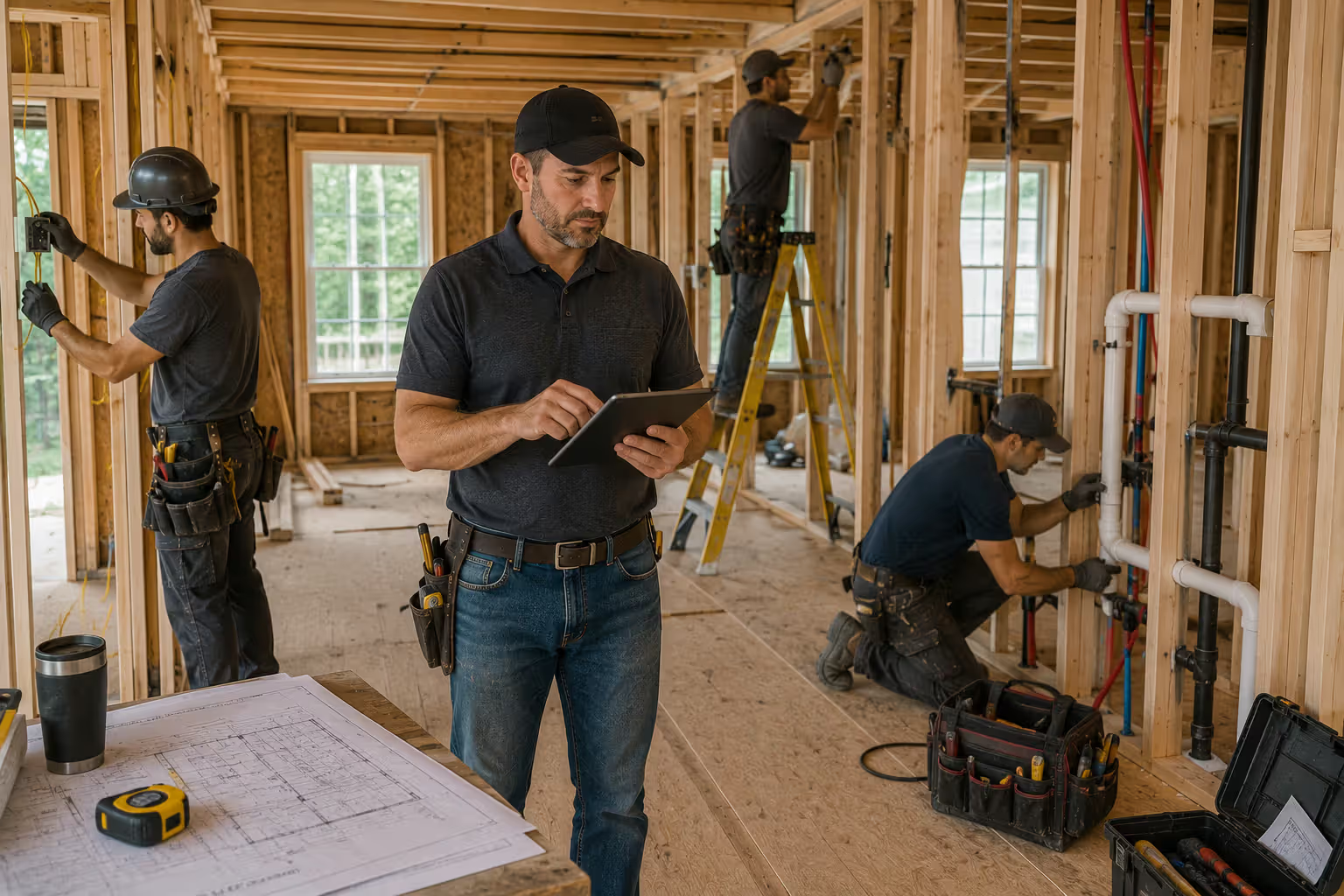
Let's walk through their actual daily work.
Author: Sophie Langston;
Source: johnhranec.com
Before construction starts: They study your plans, flag potential problems (like that beam that won't fit through your existing doorway), and write a detailed bid. They line up subcontractors, order long-lead materials, and submit permit applications. This phase burns 2–4 weeks, sometimes longer if your municipality moves slowly.
During construction: The GC orchestrates daily operations. They schedule inspections at critical points—foundation pour, framing completion, electrical rough-in, final walkthrough. They time material deliveries so your driveway isn't blocked for weeks. They troubleshoot surprises, like discovering your electrical panel can't handle the additional load and needs upgrading.
Quality checks: Site walks happen regularly—daily during active phases, weekly during slower periods. The GC catches mistakes before they're hidden behind drywall or buried under flooring.
Updates: Expect weekly check-ins minimum, daily during intense phases. Good GCs translate construction jargon into normal English and explain trade-offs when you need to make decisions.
Finishing up: After final inspection approval, they complete punch-list items (all those little fixes and touch-ups), coordinate final payments to subcontractors, and hand you warranty documentation and as-built drawings.
A skilled GC makes this look effortless. You'll barely see the chaos they're managing behind the scenes.
Common Specialty Contractors for Home Additions
Even with a GC running the show, understanding these specialists helps you evaluate bids intelligently and ask the right questions.
Basement finishing contractors turn dank storage caves into livable rooms. They tackle moisture barriers, insulation, framing, drywall, and flooring. Some handle electrical and plumbing layouts, though they usually subcontract licensed electricians and plumbers for actual connections and final inspections.
Basements bring unique challenges. Water infiltration, ceiling heights that barely meet code, and egress window requirements complicate everything. Contractors with basement-specific experience navigate these obstacles without the learning curve.
Structural engineers don't swing hammers, but you'll need one for second-story additions or removing load-bearing walls. They calculate weight loads, design support beams, and stamp plans so building departments approve your permits. Budget $1,500–$5,000 depending on how complex your project gets.
HVAC specialists calculate heating and cooling requirements for your new space, then install equipment to match. Adding 400 square feet might overload your current system, requiring zone additions or complete system replacement.
Electricians run new circuits from your main panel—or install a subpanel when your existing panel lacks capacity. They wire outlets, switches, and lighting, then connect appliances. All electrical work requires permits and inspections, no exceptions.
Plumbers extend water supply lines and drain stacks to bathrooms, kitchens, or laundry areas in your addition. Bathroom additions get particularly complicated—every fixture needs proper venting and drainage that ties into your existing system correctly.
Roofing contractors enter the picture for second-story additions or projects requiring roof modifications. People constantly ask: can a general contractor handle roofing themselves? Technically yes, if they hold appropriate licensing and have roofing experience. But most GCs subcontract roofing to specialists. Roofing carries high liability, and specialists carry insurance specifically covering that work.
Here's the pattern I see repeatedly: homeowners assume their GC employs in-house crews for everything. Reality? GCs coordinate specialists. That's not a flaw in the system—it's how construction actually works. Specialists bring depth and expertise in their specific trades that generalists can't match.
How to Choose the Right Home Addition Contractor
Begin with license verification. Every state runs online databases showing contractor license status, expiration dates, and disciplinary actions. California homeowners use the CSLB website. Texans check the TRCIC portal. Never—and I mean never—hire unlicensed contractors, regardless of how attractive their pricing looks.

Author: Sophie Langston;
Source: johnhranec.com
Review portfolios next. Request photos of completed additions matching your project type. Better yet, ask for references and visit finished projects if the contractor allows it. Talk with previous clients about communication quality, budget adherence, and how problems got solved.
Collect at least three bids. But compare more than final numbers. Examine what's included: materials specifications, labor breakdown, permit costs, site cleanup, warranty coverage. That suspiciously low bid excluding permits and site prep isn't actually low.
Warning signs that should send you running:
Demanding large upfront payments—anything over 10–15% raises red flags. Missing or vague contracts that don't specify scope clearly. High-pressure tactics pushing you to sign immediately or "lock in" special pricing. Refusing to provide insurance certificates for general liability and workers' compensation. Dodging reference requests or providing only one reference.
Read contracts thoroughly before signing. They should specify:
Scope of work describing exactly what's included and what's not—in detail, not generalities. Materials listing brands, grades, and specifications for major components. Payment schedule tied to completion milestones, not arbitrary calendar dates. Timeline with realistic start and substantial completion dates. Change order process explaining how modifications get priced and approved. Warranty terms covering workmanship (typically one year) and materials (varies by product).
Common mistake: choosing the cheapest bid without investigating the contractor's track record. Low bids often signal corner-cutting, unlicensed subcontractors, or missing scope items that surface later as expensive "extras."
Cost Factors and What to Expect
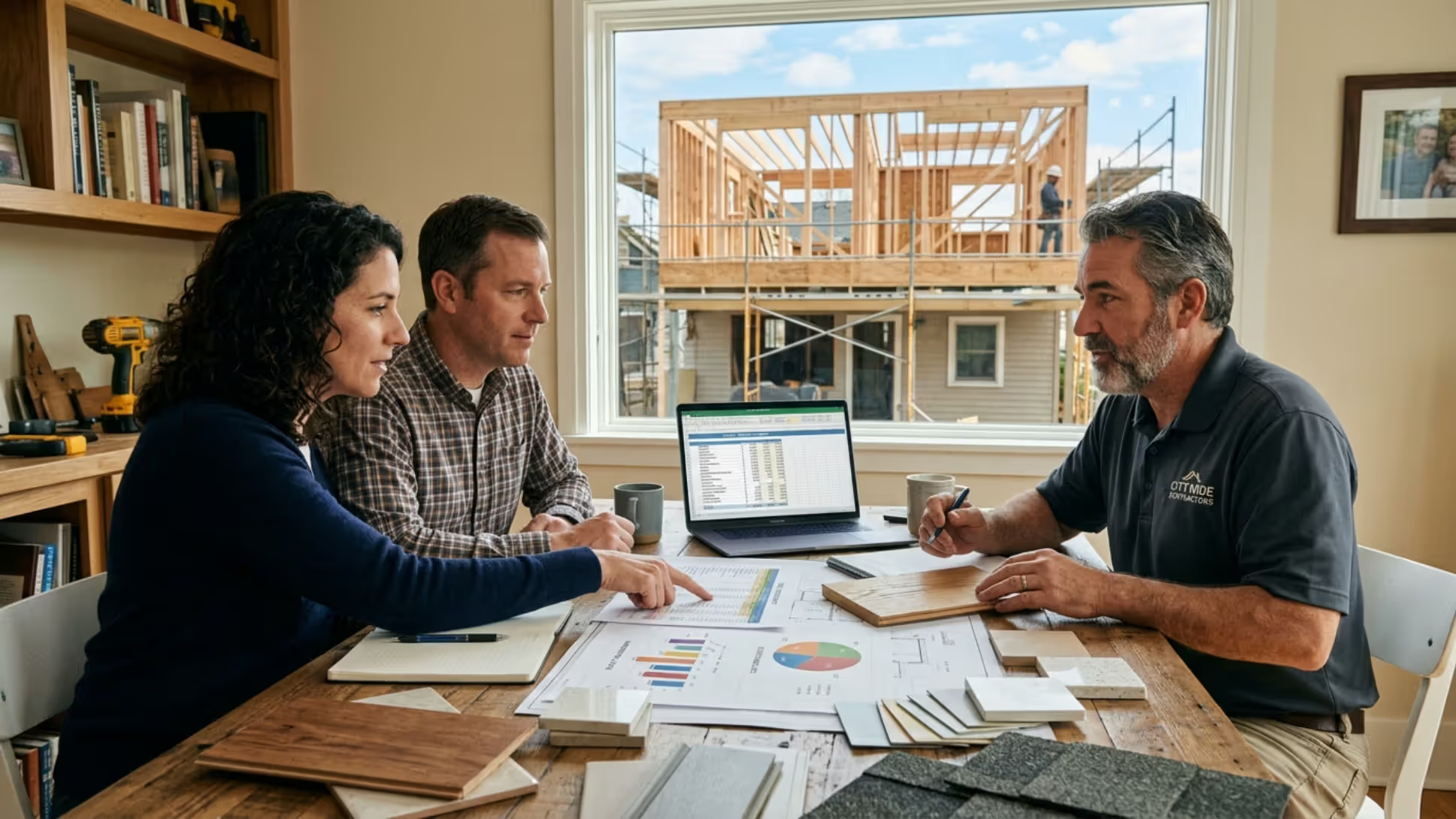
Home additions in 2026 run anywhere from $150 to $500-plus per square foot. Location, complexity, and finish quality drive that massive range. A 400-square-foot room addition might cost $60,000–$200,000. Full second stories? Budget $200,000–$500,000 or higher.
Author: Sophie Langston;
Source: johnhranec.com
What pushes costs up:
Foundation requirements—slabs cost less than crawlspaces, which cost less than full basements. Structural complexity when tying into existing framing or modifying load-bearing elements. Finish selections—builder-grade materials versus custom everything. Mechanical systems including HVAC extensions, electrical panel upgrades, and plumbing runs. Site challenges like sloped lots, unstable soil, or limited equipment access. Local labor markets—coastal cities charge 30–50% more than rural areas for identical work.
Payment schedules typically break down like this:
10–15% deposit securing your spot on the contractor's schedule and covering initial material orders. 25–30% at framing completion when the structure takes shape. 25–30% at substantial completion after drywall, mechanical rough-ins, and major systems are installed. Final 25–30% following final inspection and punch-list completion.
Never pay everything before the work finishes. Hold back at least 10% until you've walked through the completed space and verified everything functions properly.
Timelines fluctuate wildly. Simple bump-outs take 8–12 weeks. Second-story additions with multiple rooms consume 6–9 months. Weather delays, permit processing, and material availability all impact schedules. Smart move: assume projects will take 20% longer than quoted and you'll rarely be disappointed.
Contractor Type Comparison
| Contractor Type | Best For | Cost Range | Project Control | Timeline | Permitting Responsibility |
| General Contractor | Additions requiring multiple trades and complex coordination | $150–$350/sq ft | Contractor orchestrates; you approve at key milestones | Moderate to extended | GC manages all permits and inspection scheduling |
| Design-Build Contractor | Projects where design and construction need tight integration | $200–$500/sq ft | Collaborative single point of contact throughout | Moderate with streamlined communication | Design-build team handles complete permit process |
| Specialty Contractor | Single-trade focused projects like basement finishing only | $75–$200/sq ft | You coordinate if hiring directly | Short to moderate depending on scope | You handle permits or specialist manages them |
The biggest mistake homeowners make is hiring based on price alone. A contractor who underbids often cuts corners or doesn't fully understand the scope. You're not just buying labor—you're buying accountability, problem-solving, and peace of mind. That's worth paying for.
— Mitchell Robert
FAQ: Home Addition Contractor Questions Answered