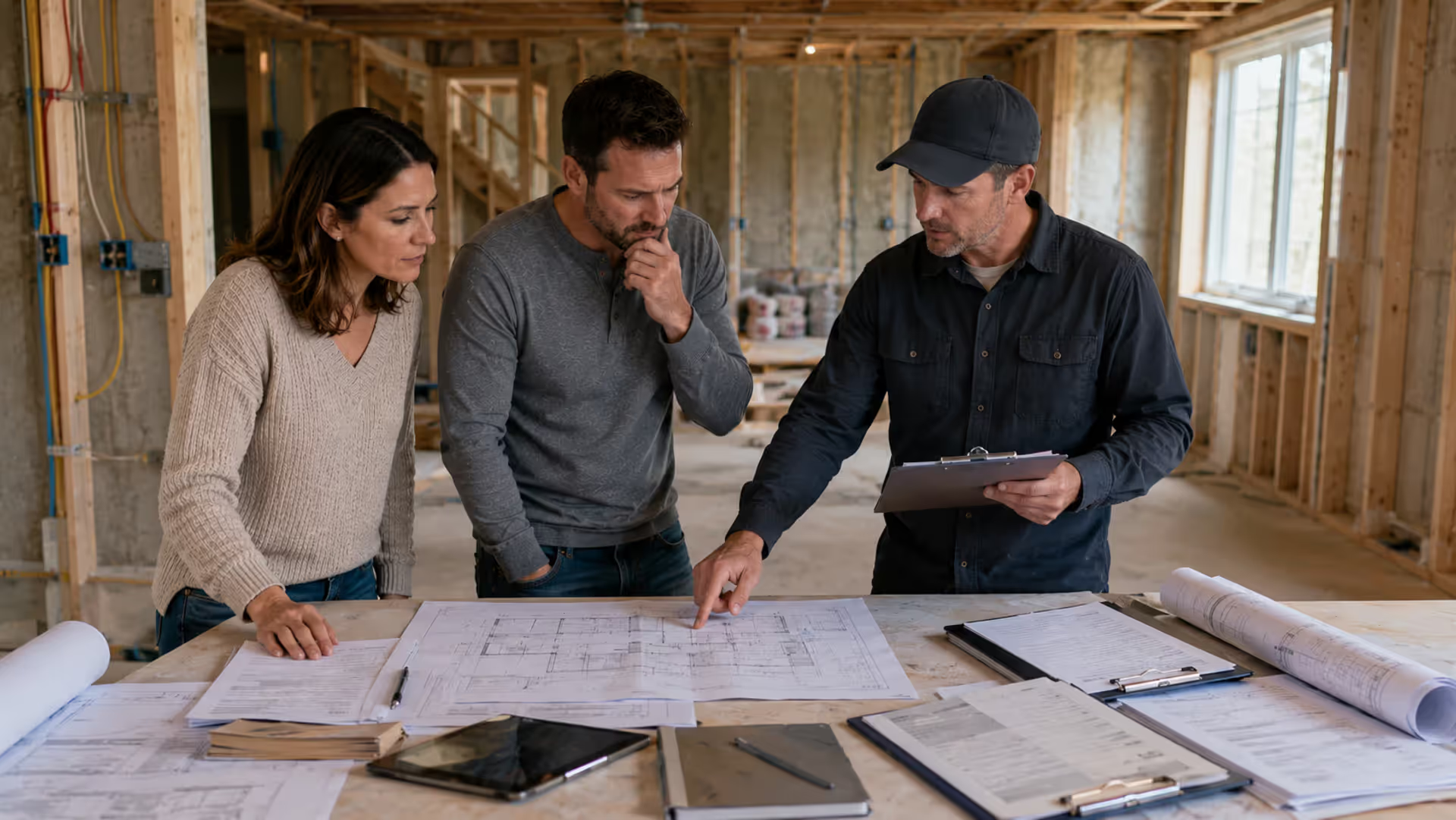

Choosing the Right Remodeling Company
How to Choose the Best Home Remodeling Company?

Content
Here's the thing about hiring someone to remodel your home—it's nothing like buying a new couch or even a car. You're letting strangers into your personal space for weeks, maybe months. You're writing checks that probably make your stomach flip. And you're betting that what they promise matches what they'll actually deliver.
Get this decision wrong? You'll watch your budget evaporate while deadlines slide past like you're living in contractor purgatory. Make the right call? Your kitchen (or bathroom, or whole house) transforms into exactly what you pictured, maybe even better.
Let me walk you through how to find that perfect-fit contractor and dodge the headaches that come from rushing this decision.
What to Look for in a Remodeling Contractor
Start with the boring-but-crucial stuff: credentials. I'm talking licenses, insurance, the works. This isn't paperwork theater—it's your safety net when things go sideways.
Any contractor worth your time carries an active license (requirements vary wildly by state), liability insurance that's actually current, and workers' comp coverage. Don't just nod when they say "Oh yeah, we've got all that." Ask to see the actual certificates. Then—and this matters—call your state licensing board yourself to verify everything checks out.
Now, about experience. Here's where it gets tricky. A company that's been around since 1995 sounds impressive, right? But if they've spent those 30 years doing basic deck repairs, they might fumble your complex kitchen gut job. You want relevant experience, not just time in business.
Their portfolio tells you what words can't. But don't just scroll through pretty before-and-after shots on Instagram. Ask about the messy stuff. "What went wrong on this bathroom project? How'd you fix it?" Contractors who can walk you through their problem-solving—without getting defensive—are showing you exactly how they'll handle your project's inevitable curveballs.
Some contractors do everything. Others specialize. The historic restoration expert might not be your best bet for a sleek modern addition. Match their sweet spot to your project. Specialists usually nail it within their zone, even if they cost a bit more.
One thing most homeowners miss: supplier relationships. Contractors with solid connections get better material pricing, faster delivery, and priority service when your custom cabinets are backordered. Those relationships directly impact your timeline and budget.
Questions to Ask Before Hiring a Remodeling Company
Conversations before you sign anything reveal more truth than any website or brochure. Let's start with timing. When can they actually start? Not "soon" or "next month"—get specific dates. How long will your project take? What happens when the tile you ordered is stuck on a container ship somewhere?
Warranties matter more than most people realize. What breaks are they willing to fix later? For how long? Who shows up to handle warranty work—them or some subcontractor you've never met? Vague answers here are red flags waving in your face.
Most remodeling companies farm out specialized work. Nothing wrong with that, but you need details. Who's doing your electrical? Your plumbing? Are these people licensed and insured? Can you meet them before demolition day?
Payment terms tell you a lot about a company's financial health. Reasonable contractors typically want 10-20% upfront, progress payments at specific milestones, and the final chunk when you're satisfied. Someone demanding half your budget before they swing a hammer? That's trouble.
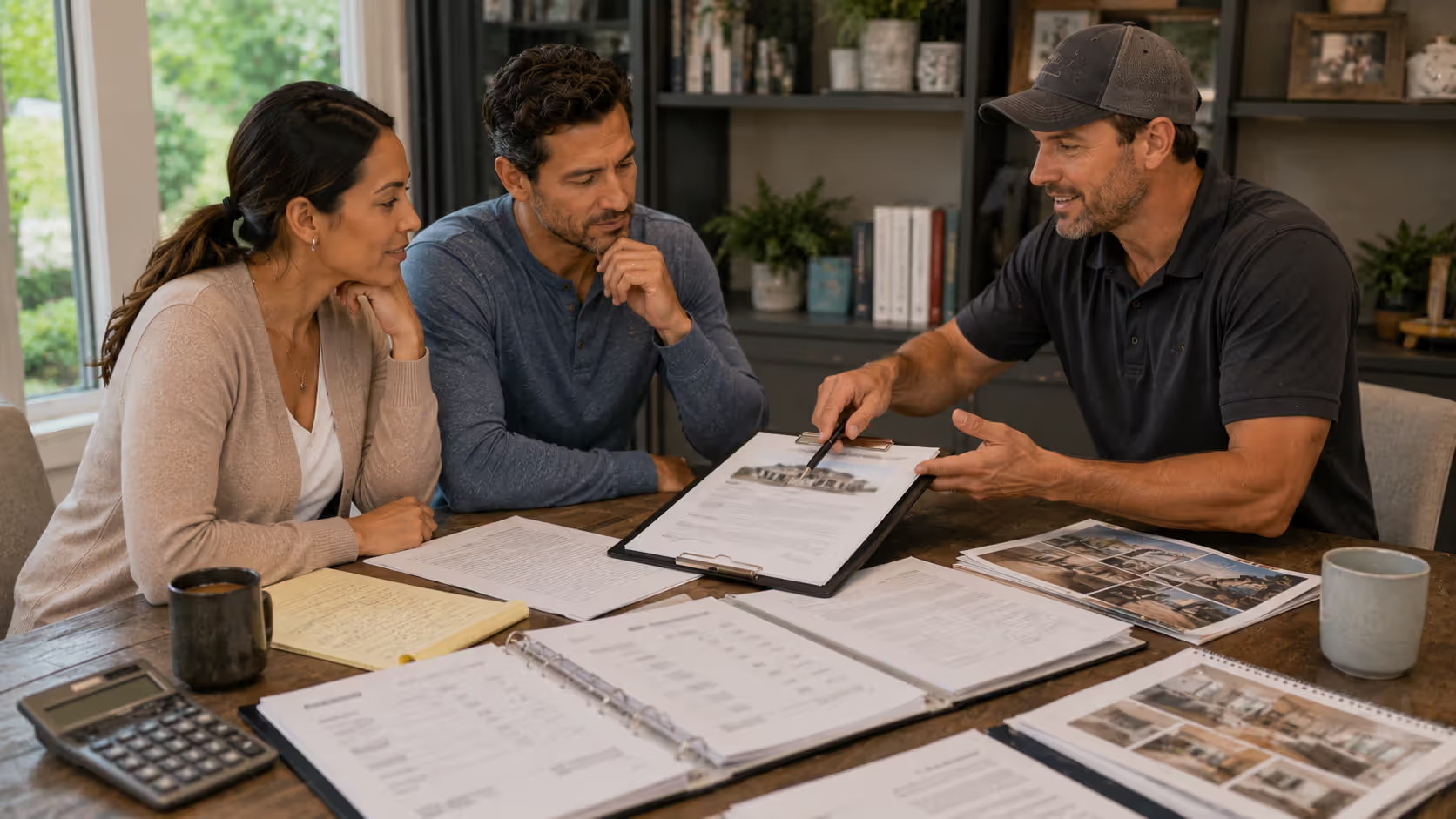
Ask for recent references—emphasis on recent. You want projects from the last six months that match your scope. Then actually call these people. Don't just check a box. Ask them: Did crews show up consistently? How'd they handle problems? Was the site a disaster zone every day? Would you hire them again?
Here's a question that catches people off guard: "Who's my daily contact?" At bigger firms, the smooth-talking salesperson might disappear after you sign. You need to know who you'll actually be texting when you've got questions at 7 AM.
Author: Olivia Hartwel;
Source: johnhranec.com
How to Evaluate Remodeling Company Reviews and References
Online reviews are everywhere, but they're not all created equal. Google Reviews and BBB listings carry more weight than random testimonial sites. Look for patterns, not one-off complaints. Every contractor has an unhappy customer somewhere—what matters is how they responded and whether the same issues keep popping up.
BBB ratings consider complaint history, how long they've been operating, and whether they actually resolve problems. An A+ rating is great, but dig into any complaints. Are there unresolved issues? Do the same problems repeat?
Here's something most people skip: verify their portfolio independently. That gorgeous kitchen remodel they're showing you? Ask for the homeowner's contact info. If they hem and haw about privacy, that's suspicious. Real projects come with real references.
When you talk to past clients, go beyond "Are you happy with the work?" Ask specific stuff: Did workers arrive on time? How was the cleanup? When unexpected issues came up, how'd the contractor handle it? Would you use them again, or are you just being polite?
Fake reviews are trickier now, but patterns still exist. Generic language, a bunch posted within days of each other, or reviews that read like ad copy—these should make you skeptical. Cross-reference across platforms. Fake reviews rarely appear everywhere.
Check their social media too. Do they post work-in-progress shots, or just the highlight reel? How do they respond to questions and comments? Their online personality usually mirrors how they'll treat you as a client.

Author: Olivia Hartwel;
Source: johnhranec.com
Red Flags When Vetting Remodeling Companies
No written contract? Walk away. I don't care how nice they seem or how good their price is. Legitimate remodeling work requires detailed contracts covering scope, materials, timeline, payment, and warranties. Anyone suggesting a handshake deal is either incompetent or planning to disappear when problems hit.
Aggressive sales pressure screams desperation or dishonesty. "This price expires at midnight" or "I've got leftover materials from another job, but you need to decide now"—these are manipulation tactics, not professional business practices. Good contractors respect your decision timeline because they're not desperate for work.
Cash-only payment demands should end the conversation immediately. Legitimate businesses accept checks and credit cards. They create paper trails that protect everyone involved. Cash-only arrangements often mean tax evasion or plans to vanish when warranty issues surface.
Missing or expired licenses and insurance aren't negotiable. Can't produce current documentation right away? They probably don't have it. You could end up liable for injuries or property damage. Not worth the risk, ever.
When one bid comes in 30-40% below the others, something's off. Either they're cutting quality corners, planning to hit you with change orders later, or they completely misunderstood your project. None of these scenarios work in your favor.
Vague estimates with just a bottom-line number prevent you from understanding what you're buying. This setup lets contractors substitute cheaper materials or claim extras weren't included. You need itemized breakdowns.
Poor communication before the project starts? It won't magically improve once construction begins. Slow responses, unclear explanations, or dismissive attitudes during the courtship phase only get worse under pressure.

Author: Olivia Hartwel;
Source: johnhranec.com
Comparing Estimates and Proposals from Multiple Contractors
Get estimates from three contractors minimum. More than five becomes overwhelming. Fewer than three leaves you guessing whether you're getting fair pricing.
Make sure you're comparing apples to apples. Give each contractor identical specifications—same materials, same finishes, same scope. If one's pricing quartz countertops while another assumes laminate, the price difference means nothing.
Detailed estimates break down where your money goes. You should see separate line items for labor, materials (sometimes categorized by type), permits, debris removal, and subcontractor fees. This transparency lets you make informed decisions about where to splurge or save.
Focus on value, not just cost. The cheapest bid might include builder-grade materials and inexperienced workers. The priciest might have premium features you don't need. What matters is what each price actually buys you.
| Estimate Component | What Should Be Listed | Why This Matters |
| Labor Breakdown | Hourly rates or per-task pricing, crew size, estimated hours | Shows whether timeline makes sense and pricing is competitive for your market |
| Materials Costs | Specific brands and grades, quantities, individual pricing | Lets you verify quality and catch potential substitutions before they happen |
| Permits and Fees | Each required permit itemized, inspection fees | Proves they're planning to work legally and prevents surprise costs later |
| Timeline | Start date, milestone dates, projected completion | Creates accountability and sets clear expectations for everyone |
| Payment Schedule | Deposit amount, progress payment triggers, final payment terms | Protects you both and ensures work progresses before money flows |
| Warranty Terms | Length of coverage, what's included, how to file claims | Defines your protection after the final payment clears |
Ask questions about anything confusing. When one line item runs notably higher or lower than competing bids, find out why. Contractors should explain their pricing without getting defensive.
Watch for missing items. If one estimate includes hauling away debris and another doesn't mention it, guess who's paying extra or dealing with a dumpster in their driveway?

Author: Olivia Hartwel;
Source: johnhranec.com
Kitchen and Bathroom Remodeling Company Considerations
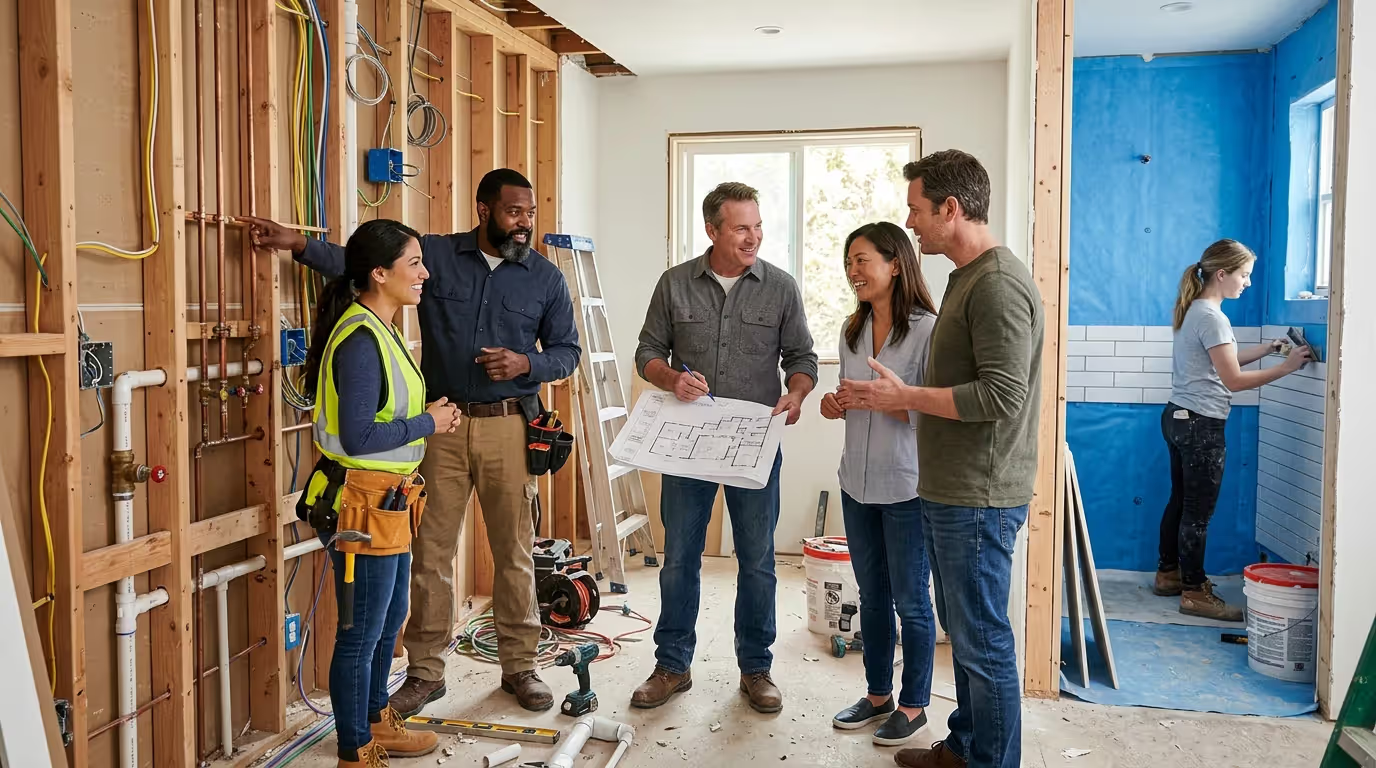
Kitchens and bathrooms aren't just cosmetic updates—they're technical projects involving plumbing, electrical, ventilation, and often structural changes. Your contractor needs proven expertise here, not just general remodeling experience.
Plumbing and electrical work requires licensed tradespeople in most areas. Ask whether these specialists work directly for the company or get subcontracted out. Either works fine, but you need confirmation that everyone touching pipes and wires is properly licensed, insured, and experienced with residential remodeling.
Design services vary dramatically. Some companies offer full design-build with in-house designers. Others expect you to bring finished plans. Still others partner with independent designers. Know what comes with your contract and what costs extra. Even great builders make mistakes if they can't read plans properly.
Material sourcing affects both cost and schedule. Does your contractor have trade accounts that beat retail pricing? Can they source specialty items like custom cabinetry or imported tile? What's their backup plan when your first-choice material is backordered for three months?
Bathroom waterproofing separates amateurs from pros. Inadequate moisture barriers create mold, rot, and expensive repairs down the line. Ask specifically about their waterproofing process for showers and tubs. If they can't explain their membrane systems, drainage slopes, and liner installation in detail, they might lack the expertise you need.
Kitchen functionality trumps aesthetics in the long run. Experienced kitchen remodelers understand work triangle principles, proper counter heights, and strategic appliance placement. They should ask how you actually use your kitchen, not just show you pretty cabinet samples.
Permits for kitchens and bathrooms typically face stricter scrutiny because of the plumbing, electrical, and ventilation changes. Your contractor should handle all permits and inspections. If they suggest skipping permits to save money, find someone else.
Author: Olivia Hartwel;
Source: johnhranec.com
Checklist for Selecting Your Home Renovation Contractor
Verification Steps
- Confirm active license through your state licensing board (call them directly)
- Get certificate of insurance for general liability (verify it's current)
- Verify workers' compensation coverage exists and is active
- Check BBB rating and read through complaint history
- Read reviews on Google, Yelp, and industry-specific platforms
- Confirm bonding if your state or municipality requires it
Documentation to Request
- Written estimate with every cost broken down by category
- Reference list from similar projects finished in the past six months
- Portfolio with before/after photos showing their actual work
- Copies of current licenses and insurance certificates
- Sample contract or their standard agreement template
- Written warranty details explaining coverage and duration
Communication Assessment
- Note how quickly they respond to your initial contact (within 48 hours is reasonable)
- Evaluate whether they explain things clearly during meetings
- Watch how they handle your questions (defensive or open?)
- Confirm they're reachable during normal business hours
- Discuss preferred communication methods and frequency
- Understand their process for handling changes or concerns mid-project
Contract Review Must-Haves
- Complete scope of work with specific materials and brand names
- Project schedule showing start and completion dates
- Payment schedule tied to specific completed milestones
- Change order process and how additional work gets priced
- Daily cleanup and site maintenance expectations
- Warranty coverage and what it includes
- How disputes get resolved if disagreements arise
- Cancellation terms for both parties
- Lien waiver requirements to protect your property
Before Signing
- Compare at least three detailed estimates side by side
- Verify every verbal promise appears in the written contract
- Double-check that insurance is current and adequate for your project size
- Confirm all necessary permits are included in the scope
- Make sure you understand every line item and contract term
- Get clarification on anything unclear—never assume you know what they mean
- Verify the timeline works with your schedule
- Ensure payment terms protect you (never pay everything upfront)
Homeowners consistently make one massive mistake: choosing their remodeling contractor based purely on who's cheapest. That low bid? It often becomes your most expensive project once you factor in delays, endless change orders, and fixing shoddy work. Spending time upfront to verify credentials, check references thoroughly, and review detailed proposals saves you both money and sanity down the road.
— Thompson Michael
FAQ: Home Remodeling Contractor Questions Answered
You've done the homework—gathered estimates, called references, verified credentials. Now comes the actual choice. Trust your gut, but back it up with hard evidence. The contractor who feels right should also have the paperwork, track record, and professionalism to support that instinct.
Price matters, obviously. But it shouldn't be the only thing driving your decision. The middle estimate often hits the sweet spot—enough to ensure quality materials and skilled labor without paying for unnecessary premium services. But that's not a hard rule. Sometimes the highest bid includes services that genuinely enhance your project outcome.
Communication style predicts your entire experience. If you felt heard, respected, and well-informed during the estimate phase, that's probably how construction will go. If you felt rushed, dismissed, or confused, those problems will amplify once money's committed and work begins.
For most people, their house represents their biggest financial asset. The contractor you choose will impact its value, your daily comfort, and your stress levels for weeks or months. Spending time now to thoroughly vet candidates, compare detailed proposals, and make an informed decision pays dividends throughout the project and for years afterward.
The perfect contractor for your neighbor might be wrong for you. Your project scope, budget, timeline, communication style, and priorities are unique. Use this guide as a framework, but customize your evaluation to fit