How to Find a Good Contractor?

Content
Finding the right contractor can make or break your home project. You're about to spend thousands—maybe tens of thousands—on renovations, repairs, or new construction. The difference between a skilled professional and someone who cuts corners? That gap shows up in your walls, your roof, and your bank account for years to come. This guide walks you through every step of finding, vetting, and hiring a contractor you can trust, whether you need a general contractor for a full renovation or a specialist for a specific job like roofing.
Why Hiring the Right Contractor Matters
Bad contractors cost Americans billions each year. Not just in shoddy work, but in abandoned projects, code violations, and repair bills that dwarf the original quote.
Choosing the wrong person means facing more than schedule delays. Structural problems might stay hidden for months before revealing themselves. You'll often end up paying double—first for the botched job, then again to bring in someone who can actually fix it. Some homeowners have watched contractors vanish mid-project, taking deposits and leaving half-finished rooms behind.
The financial damage runs deep. But there's also the emotional toll of living in a construction zone that stretches weeks beyond the promised completion date, dealing with subcontractors you never vetted, or discovering your project violates building codes because nobody bothered pulling permits.
When you invest time finding a reputable contractor for renovation work, you're protecting yourself from these nightmares. Professional contractors bring proven expertise, adequate insurance coverage, and a reputation they're motivated to protect. They arrive as scheduled. They keep you informed throughout the process. They guarantee their workmanship.
The most common mistake I see is homeowners making hasty hiring decisions because they're eager to start construction. That impatience creates problems that last far longer than the few extra weeks spent vetting candidates properly.
What to Look for in a General Contractor
Understanding general contractor selection tips begins with recognizing what distinguishes professionals from amateurs. A qualified general contractor orchestrates every project element—coordinating subcontractors, ordering materials, managing schedules, and ensuring work meets code requirements.
Years in business matter, but experience alone doesn't tell the whole story. You need someone who's successfully completed projects matching yours in scope and complexity. A contractor specializing in bathroom remodels might struggle with a whole-house renovation. Question them specifically about their track record with projects similar to what you're planning.
Their portfolio reveals their specialization. Look for diversity within their niche. Contractors who've only tackled one style or narrow project type may lack the adaptability your situation demands.
Here's a comparison of different contractor categories:
| Contractor Category | Project Types They Handle | Licensing Standards | Typical Pricing | Best Situations for Hiring |
| General Contractor | Complete renovations, home additions, multi-room overhauls | State-issued license plus bonding | $50–150 per hour or 10–20% of total project | Complex work requiring multiple trades, permit management, and extensive coordination |
| Specialty Contractor | Roofing systems, electrical work, plumbing systems, HVAC installation | Trade-specific state certification | $45–125 per hour | Single-trade projects requiring specialized technical knowledge |
| Handyman | Small repairs, basic installations, painting jobs | Frequently no license required | $30–80 per hour | Straightforward projects under $1,000 without permit requirements |
Licenses and Certifications You Should Verify
Contractor licensing varies dramatically by state. Some jurisdictions require licenses for any work exceeding $500. Others lack statewide requirements entirely, delegating oversight to local governments.
Never take a contractor's word about their licensing status. Confirm it yourself using your state's licensing board website. Most states offer searchable databases showing license status, expiration dates, and any disciplinary history.
Essential credentials to verify:
- Current state contractor license with the proper classification for your project type
- Valid local business permit
- Trade-specific certifications for specialized work like roofing, electrical, or plumbing
- Manufacturer certifications for installing particular products
Warning sign: Contractors who dismiss licensing as unimportant in your area. Even in states without mandatory licensing, reputable contractors typically pursue voluntary certifications demonstrating their competence.
Insurance Coverage Requirements
Insurance represents your financial protection when things go wrong, not an optional extra.
Every contractor on your list must carry two insurance types: general liability plus workers' compensation. Liability insurance handles property damage and third-party injuries. Workers' compensation shields you from liability if laborers suffer injuries at your property.
Demand certificates of insurance—actual documentation from insurers, not just verbal assurances. These certificates must show:
- Active policy numbers
- Coverage limits (at least $1 million for liability policies)
- Current expiration dates
- Direct contact details for the insurance provider
Contact the insurance company directly to confirm active coverage. Some contractors present forged insurance documents—it's more common than you'd expect.
Without workers' compensation coverage, you could face liability for medical expenses and wage replacement if someone gets injured during your project. That's potential lawsuit territory that could devastate your finances.
Where to Search for Reputable Contractors
Smart contractor search tips for homeowners begin with understanding the best sources. Top-tier contractors rarely need aggressive advertising—referrals keep their schedules full.
Begin with your personal network. Talk to friends, relatives, and neighbors who've recently finished comparable projects. Personal recommendations provide genuine insights into communication patterns, dependability, and craftsmanship quality.

Author: Nathan Cole;
Source: johnhranec.com
Local building material suppliers often maintain informal lists of contractors they work with consistently. While these aren't official endorsements, they offer starting points. Store staff frequently know which contractors maintain good payment records and treat suppliers professionally.
Professional trade organizations screen their members. Research:
- National Association of Home Builders (NAHB)
- National Association of the Remodeling Industry (NARI)
- Better Business Bureau (BBB) accredited contractors
- Regional builder associations
Digital platforms like Angi, HomeAdvisor, and Thumbtack provide leads, but use them cautiously. Contractors sometimes pay for prominent placement or favorable reviews. Cross-check any online discoveries with independent verification sources.
Manufacturer referral networks excel for specialty projects. Roofing manufacturers including GAF and CertainTeed maintain certified contractor networks. These professionals have completed training programs and meet specific performance standards to earn certification.
Social media and neighborhood groups on Facebook or Nextdoor generate potential leads. Remember that online feedback—whether positive or negative—rarely presents the complete picture.
Drive through neighborhoods with active construction projects. Quality contractors typically display signage at work sites. When you spot impressive work, stop and ask homeowners about their contractor experience.
How to Vet a Contractor Before Hiring
Applying contractor vetting guide principles here prevents costly mistakes down the road. Vetting requires multiple steps, not just a quick phone conversation.

Author: Nathan Cole;
Source: johnhranec.com
Build a shortlist containing three to five contractors. Reach out to each requesting:
- Current proof of licensing and insurance coverage
- Three or more recent customer references
- Portfolio examples of comparable completed work
- Comprehensive written cost estimates
Contact references thoroughly. Go beyond phone calls—request to view the finished projects in person. Most satisfied customers welcome this. During reference conversations, inquire:
- Did the contractor meet schedule and budget commitments?
- How did they manage unexpected complications?
- Would you hire them for another project?
- Did they maintain clean work areas and arrive reliably?
Examine their digital footprint. Study Google reviews, BBB ratings, and complaints registered with your state's contractor licensing authority. One or two negative reviews don't automatically disqualify candidates, but recurring patterns in complaints signal serious problems.
Tour active job sites when possible. Observing ongoing projects reveals their management approach. Does the site appear organized or disorganized? Do workers conduct themselves professionally? Is the contractor actively supervising the work?
Independently verify all credentials. Contact the licensing board directly. Call insurance companies yourself. Check with local building departments about permit revocations or repeated code violations.
Obtain comprehensive estimates from your finalists. Quality estimates itemize:
- Labor expenses broken down by task
- Material costs with specific brands and models listed
- Project schedule including milestone dates
- Payment structure with amounts and timing
- Warranty details and duration
Compare estimates methodically. The cheapest bid rarely represents the best value. Substantial price gaps typically indicate different material quality, corner-cutting approaches, or incomplete scope descriptions.
The biggest mistake homeowners make is choosing a contractor based solely on price. A detailed estimate that breaks down every aspect of the job tells you more about a contractor's professionalism than any sales pitch. If they can't explain where your money's going, that's your sign to walk away.
— Thompson Michael
Questions to Ask During the Contractor Interview
Face-to-face meetings with contractors expose information you can't gather from websites or phone conversations. Their responses matter. How they deliver those responses matters equally.
Question them about schedule specifics:
- What's your availability to begin this project?
- What's the realistic duration from start to final completion?
- Which factors might extend the schedule?
- How many concurrent projects will you be managing?
Cover payment expectations early:
- How is your payment structured?
- What deposit percentage do you need to begin?
- Which payment methods do you process?
- When does the final payment become due?
Clarify who performs the actual work:
- Will you personally be on site every day?
- Who provides daily work supervision?
- Which tasks will you subcontract? To whom?
- Can I interview subcontractors before construction starts?
Address permit responsibilities:
- Who handles obtaining necessary permits?
- Does your estimate include permit costs?
- What's your history with our local building inspectors?
- Who coordinates and attends required inspections?
Explore warranties and guarantees:
- What workmanship warranty do you provide?
- How many years does your warranty remain valid?
- Which issues does your warranty cover versus exclude?
- Do material warranties differ from your labor warranty?
Understand their communication approach:
- Who serves as my primary contact person?
- What's your preferred communication method—phone calls, email, or text messages?
- What's your typical response time for questions?
- What's your process for handling project changes?
Notice their response style. Evasive answers or defensive reactions suggest future communication struggles. Professional contractors answer directly and address difficult questions head-on.
Red Flags That Signal a Bad Contractor
Some warning indicators are obvious. Others hide in subtle details. Every single one deserves your attention.
Author: Nathan Cole;
Source: johnhranec.com
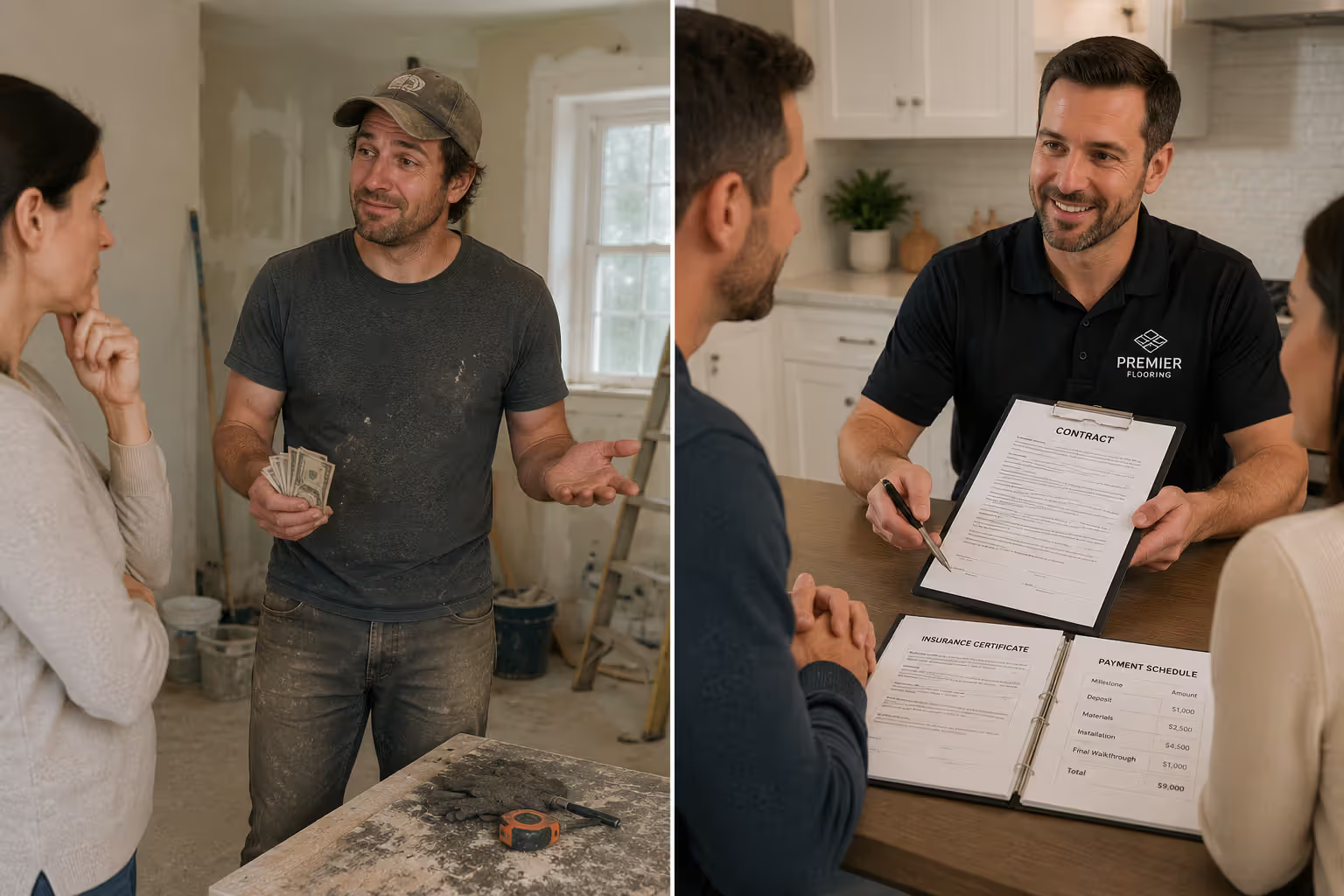
Refusing to provide written contracts represents the most serious warning sign. Spoken promises hold no weight when disagreements emerge. Legitimate contractors produce comprehensive written agreements before starting any work. When they suggest "we don't need formal paperwork," that's your cue to leave.
High-pressure sales tactics appear in various forms. Contractors pushing for immediate signatures, dangling "limited-time discounts" expiring today, or claiming they can begin tomorrow if you pay immediately—these are manipulation strategies, not professional conduct.
Excessive upfront payment demands raise suspicions. Most states cap contractor deposits at 10–30% of total costs. Anyone requiring 50% or more before starting work is either financially unstable or planning to take your money and disappear.
Refusing to provide references or claiming they have none means they're concealing problems. Every established contractor has satisfied clients willing to recommend their services.
Working without proper licensing might save money initially, but you're risking your home and your legal liability. Injuries to unlicensed workers could make you financially responsible. Work failing inspection becomes your expense to correct.
Additional warning indicators include:
- No permanent business address beyond a P.O. box or mobile number
- Suggesting permits aren't really necessary for your project
- Recommending you purchase materials directly to "reduce costs"
- Missing insurance or showing expired insurance documentation
- Major discrepancies between verbal quotes and written estimates
- Poor communication or ignored messages before you've even hired them
Listen to your intuition. When something seems wrong, it usually is.
How to Select a Roofing Contractor or Specialist
Specialty contractors demand additional scrutiny beyond basic general contractor vetting. Roofing contractors, electricians, and plumbers require trade-specific licensing and face distinct insurance requirements.
Author: Nathan Cole;
Source: johnhranec.com
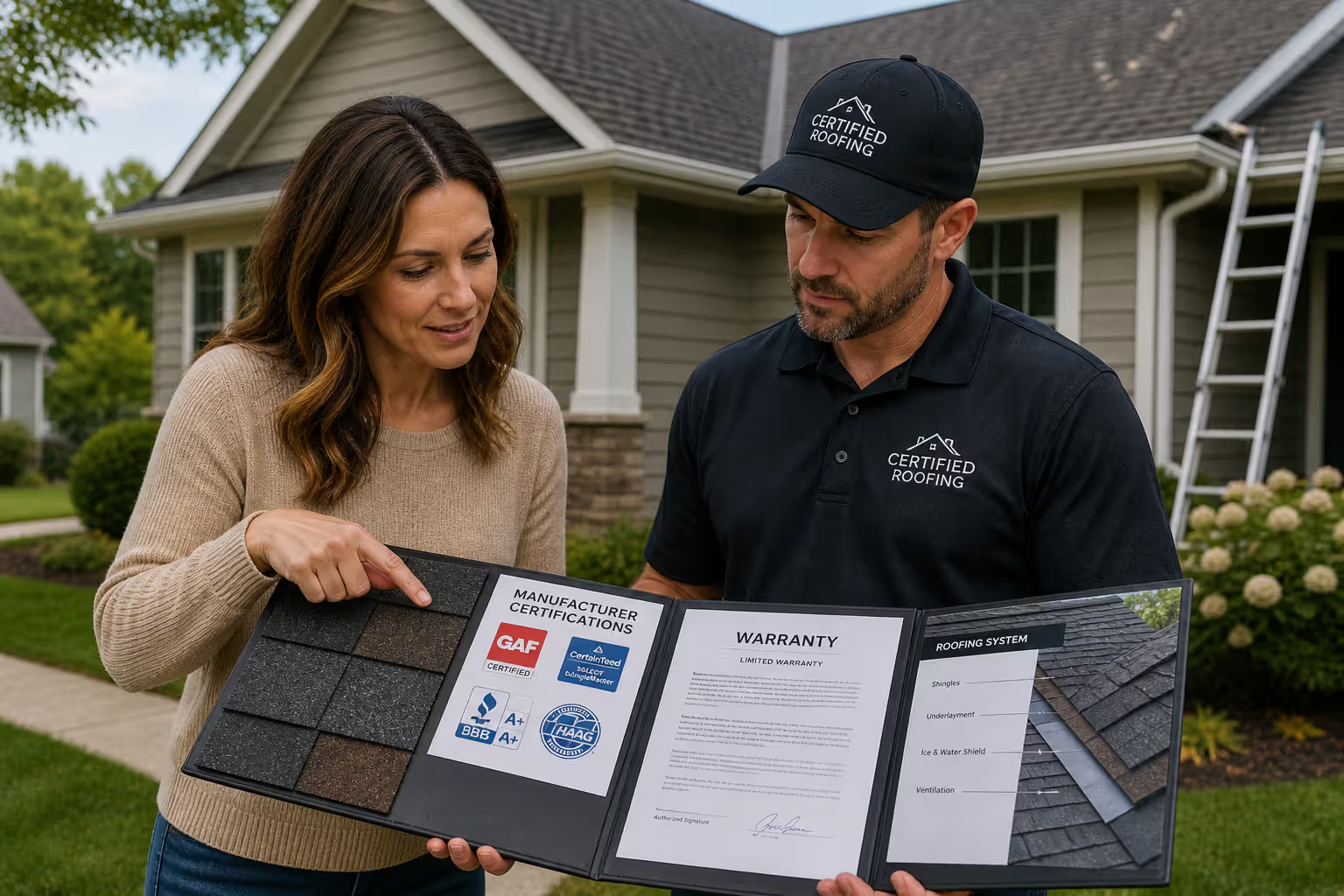
When determining how to hire a roofing contractor, prioritize manufacturer certifications. Major roofing manufacturers like GAF, Owens Corning, and CertainTeed certify contractors meeting their training and quality benchmarks. These certifications frequently unlock extended warranties unavailable through uncertified installers.
Roofing-specific evaluation factors include:
- Direct experience with your particular roof style—shingle, tile, metal, or flat
- Knowledge of local weather patterns and challenges
- Expertise in proper ventilation and insulation techniques
- Familiarity with your jurisdiction's building regulations
Question roofing contractors about their installation warranty. This differs from material manufacturer warranties. Strong workmanship warranties cover installation defects for five years minimum, often longer.
Clarify their approach to roof removal and debris disposal. Proper tear-off and cleanup are standard service components, not add-on charges. They should also safeguard your landscaping, siding, and windows throughout the project.
For electrical or plumbing specialists, confirm their trade licenses through your state's licensing authority. These trades typically mandate apprenticeships, licensing examinations, and ongoing education. Avoid anyone unable to produce current licensing.
Specialty contractors need higher insurance limits than general handymen. Electrical and plumbing work involves greater risk, and their coverage should reflect those elevated stakes.
One specialist advantage: they typically know local inspectors and code requirements intimately. They should manage all inspections and express confidence their work will pass on the first attempt.
The straightforward choice often wins here. For single-trade projects, hiring a specialist frequently costs less and produces superior results compared to hiring a general contractor who'll subcontract the work anyway.
FAQ: Contractor Hiring Questions Answered
Finding a good contractor demands time and diligence. But that investment shields you from the frustration, expenses, and anxiety of hiring the wrong person.
Begin your search well in advance. Don't wait until you're desperate to start construction. Develop a shortlist, confirm credentials, contact references, and analyze detailed estimates. Trust the systematic vetting process over gut feelings about someone's personality.
Remember that rock-bottom bids seldom deliver optimal value. Quality contractors charge appropriate rates because they maintain proper insurance, employ skilled workers, and guarantee their craftsmanship. Taking shortcuts on contractor selection typically means spending more eventually.
After selecting your contractor, keep communication channels open throughout construction. Address concerns immediately rather than allowing them to accumulate. Document everything—modifications, payments, conversations about complications. Strong working relationships make projects progress more smoothly