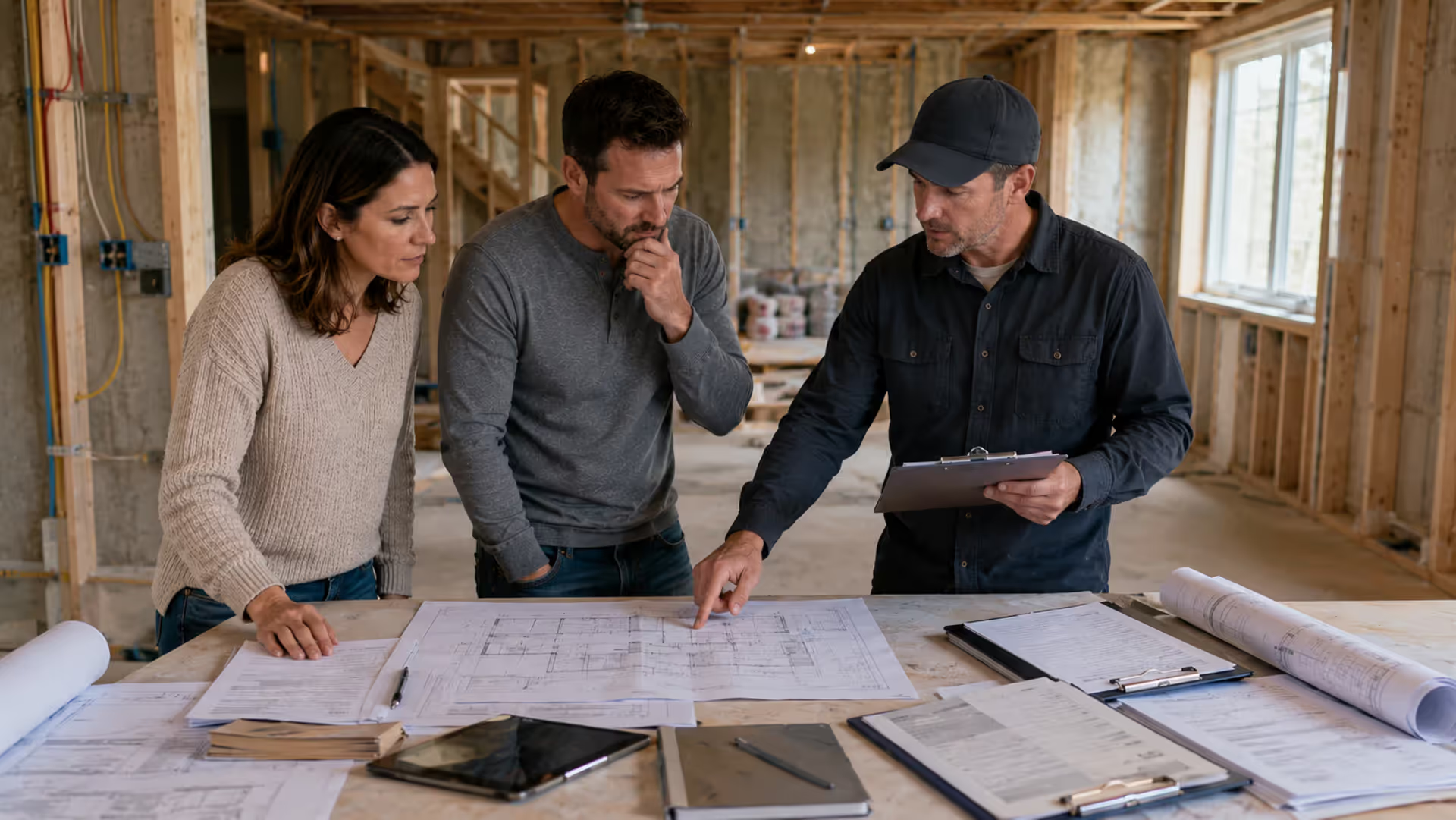

Homeowners reviewing contractor credentials and renovation plans
How to Find a Reputable Contractor for Your Renovation?

Content
Pick the wrong contractor and watch $40,000 vanish into half-finished drywall and abandoned tool piles. Last year, my neighbor hired someone who gutted her kitchen, collected 60% payment, then stopped returning calls. She spent eight months in legal battles while eating takeout because she had no functioning kitchen. You're about to give someone access to your home, a substantial check, and control over construction that affects both safety and property value. A poor hiring decision creates cascading problems—failed inspections, incomplete work, repair costs doubling your original budget. Find someone who actually shows up on schedule, communicates truthfully, and builds things that last? Your renovation becomes an investment rather than a catastrophe. This guide shows you how to separate qualified professionals from smooth-talking disasters.
What Makes a Contractor Reputable
Reputation comes from verifiable facts, not flashy brochures or charming sales presentations. Four elements prove contractor quality: proper licensing, comprehensive insurance, relevant experience, and documented customer satisfaction. Knowing what to look for in a contractor means checking these contractor qualifications methodically rather than relying on gut feelings.
Licensing confirms a contractor has met your state's baseline competency requirements. These standards vary dramatically across states—Florida requires extensive testing and apprenticeship hours while other states barely regulate the industry. Licensed contractors have proven they grasp building codes, safety requirements, and construction methods. Licensing also gives you leverage: state boards can suspend or pull credentials when contractors break rules.
Insurance protects you financially when accidents happen. Two policies matter: general liability (covering property damage during work) and workers' compensation (paying medical bills for injured workers). Most homeowners miss this critical detail—when your contractor lacks proper coverage and someone gets hurt on your property, your homeowner's policy may deny the claim. You could personally face medical bills and lawsuits.
Experience requires specificity. Two decades building additions doesn't qualify someone for bathroom remodeling. Match the contractor's actual project history to your renovation type. Experienced contractors have also built networks of dependable subcontractors, learned to spot problems early, and established reputations they're motivated to maintain through quality performance.
Reputation accumulates through finished projects and happy customers. It appears in conversations with previous clients, ratings from consumer watchdog organizations, and the contractor's eagerness to display completed work. Contractors confident in their abilities actively share portfolios and connect you with recent customers.
Missing one of these four elements? Keep looking.
How to Verify Contractor Credentials and Licensing
Never accept licensing claims without verification. This process takes fifteen minutes and prevents catastrophes. These contractor license verification tips show you the exact steps.
First, request the contractor's complete license number and exact business name on their registration. Then find your state's licensing authority—search "[your state] contractor license lookup" or contact your state consumer affairs office for the correct database.
Follow this verification sequence:
- Get complete license information in writing from the contractor
- Access your state licensing board's online verification portal
- Enter the license number or registered business name
- Confirm the license shows "active" status—expired licenses offer zero protection
- Review any documented violations, suspensions, or complaints in their record
- Verify the license classification matches your project type (general contractor, electrical, plumbing, etc.)
Insurance verification demands phone calls, not just paperwork. Certificates can be outdated, forged, or misrepresent coverage amounts. Instead, call the insurance carrier directly using phone numbers you find independently—don't rely solely on contact details printed on certificates the contractor hands you. Confirm the policy remains current and covers your entire project timeline. Ask specifically about coverage limits.
Surety bonds add protection in states requiring them. Bonded contractors give you recourse through bond claims if they abandon your project or violate contract terms. Verify bonds identically to insurance: direct contact with the bonding company using independently located information.
State systems differ dramatically in accessibility. California's Contractors State License Board provides detailed online histories. Other states may require phone calls or written requests. Allocate time for this research—it's the smartest money you'll spend on your renovation.
Conducting a Contractor Background Check
Licenses prove someone passed tests years ago. This contractor background check guide reveals how they actually perform when customers' money and homes hang in the balance.

Author: Caleb Norton;
Source: johnhranec.com
Online reviews provide useful signals when you interpret them correctly. Three glowing five-star reviews posted the same week from accounts created that month? Probably friends or relatives. Look for substantial review histories spanning months or years, with specific project details. Notice patterns across multiple reviews—when several customers mention identical strengths or problems, you're seeing reality rather than anomalies.
The Better Business Bureau tracks complaints and assigns ratings based on business practices. Not every excellent contractor holds BBB accreditation, but the platform offers valuable complaint data. Notice how contractors handle complaints. Do they acknowledge problems and explain resolution efforts? Ignore complaints entirely? Respond defensively or aggressively? These response patterns show character under pressure.
County courthouse records document lawsuits. Many jurisdictions now provide online case searches by business name. You're looking for patterns: multiple homeowner lawsuits, unpaid supplier claims, or mechanics' liens suggest serious operational problems. One isolated dispute doesn't automatically eliminate contractors—construction disagreements happen—but repeated litigation signals trouble ahead.
Personal chemistry during initial meetings doesn't predict project completion success. I've watched homeowners skip background checks because they "felt a real connection" with a contractor during the first meeting. Rapport matters, but it doesn't guarantee someone will finish your renovation properly or honor commitments.
When research reveals complaints or legal issues, ask the contractor about them directly. Quality professionals address concerns honestly, explain circumstances, and describe how they've improved practices. Unreliable contractors deflect responsibility, blame customers for everything, or react angrily to legitimate questions.
Questions to Ask Before Hiring a Contractor
The interview exposes technical competence, communication style, and compatibility. You need someone whose approach matches your expectations and who'll communicate effectively when complications arise. These contractor interview questions for renovation projects assess both dimensions.
Describe projects you've completed that match my scope and budget. General experience matters less than specific relevant work. Someone who's completed fifty deck builds may struggle with your kitchen renovation. Request specific examples.
Who handles permits and inspections for this project? Quality contractors manage the entire permitting process as part of their service. Suggestions to skip permits "to save time and money" should immediately end the conversation. Unpermitted work creates problems during home sales and may violate safety codes protecting your family.
Describe your crew structure and daily management approach. Will the contractor personally supervise work or delegate to crew leaders? Who becomes your contact when questions or concerns arise? Establish clear communication chains before work begins to avoid confusion later.
Walk me through your payment structure. Reasonable payment schedules tie disbursements to completed milestones—not arbitrary calendar dates. Initial deposits typically range from 10-20% of total costs. Be extremely cautious of contractors demanding larger upfront payments or full payment before starting work.
What happens when you encounter unexpected conditions? Renovations routinely expose hidden problems—structural damage, outdated electrical systems, code violations. Ask how the contractor documents and prices additional work. How quickly will they provide change order estimates? What's the approval process? These answers reveal flexibility and fairness.
What warranty coverage comes with your work? Contractors confident in their abilities guarantee it. Ask specifically what the warranty covers, what's excluded, and coverage duration. Get written warranty documentation before signing contracts.
Tell me about your subcontractors' credentials. General contractors remain responsible for everyone working on your project. Subcontractors should meet the same licensing and insurance standards as the general contractor. Ask for verification.
Questions About References and Past Work
May I contact clients from your three most recent projects comparable to mine? Specificity matters here. You want current references for similar work—not favorite projects from years past that may not reflect current performance or crew composition.
Can you show me your portfolio of completed projects? Quality portfolios demonstrate both technical skill and aesthetic sensibility. Examine photos for finish quality, attention to detail, and design execution aligning with your vision.
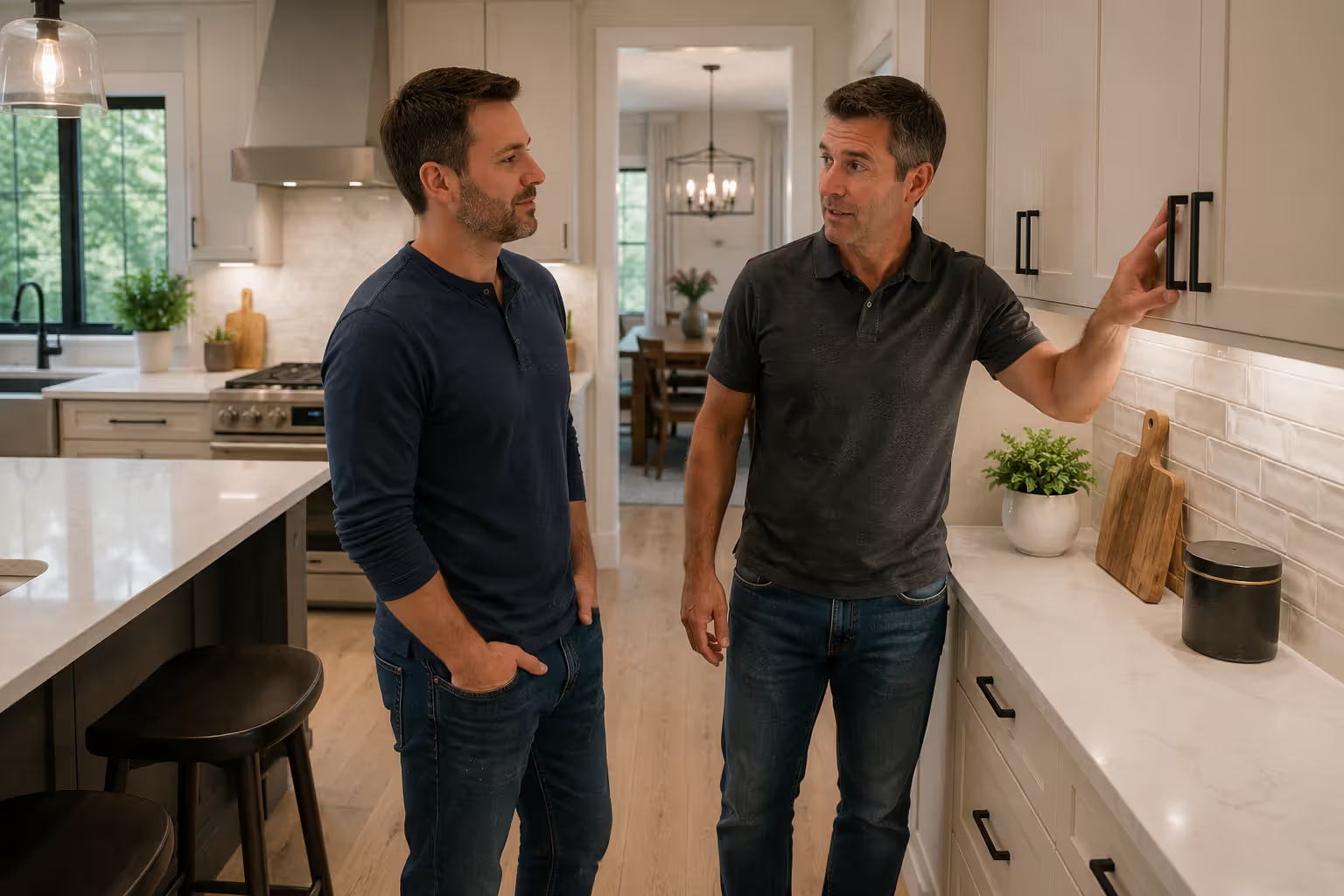
Would you arrange a visit to a current job site or recently completed project? In-person site visits reveal aspects photos can't capture: how contractors protect homes during construction, job site cleanliness standards, and actual material quality they use versus what they promise in proposals.
How to Check Contractor References Properly
Most homeowners waste reference checks. They ask superficial questions, accept brief positive responses, and move on. This approach for contractor references how to check them thoroughly extracts meaningful insights predicting your project experience.
Author: Caleb Norton;
Source: johnhranec.com
Contact every reference provided. When possible, expand beyond the contractor's list. Notice completed projects in your neighborhood? Knock on doors and ask those homeowners about their experiences. Unsolicited references often provide the most honest feedback since contractors haven't prepped them.
Structure conversations around open-ended questions encouraging detailed responses:
What surprised you most about working with this contractor? This reveals distinctive strengths and sets realistic expectations. It also surfaces unexpected challenges in a non-threatening way.
Planning another renovation, what would you change about the process? This softer phrasing makes people comfortable discussing problems. Direct questions like "What went wrong?" often trigger defensive responses protecting the contractor.
Describe how the contractor managed unexpected challenges. Every project encounters obstacles—hidden damage, delayed materials, weather delays. You're assessing problem-solving skills and grace under pressure. Did they communicate proactively? Offer solutions? Blame others?
Compare actual costs and timeline to initial estimates. If they differed significantly, what caused the discrepancies? Were they contractor errors, homeowner-driven changes, or genuinely unforeseen conditions? How did the contractor handle these changes financially?
Rate their communication throughout the project. Did they return calls and messages promptly? Explain technical issues clearly? Keep you informed about progress and problems proactively, or did you constantly chase them for updates?
Would you hire this contractor again without hesitation? Listen for any pause or qualification in their response. Enthusiasm matters here. "Yes, definitely" differs dramatically from "Yes, probably" or "Well, the finished work looks good."
Visit completed projects in person whenever feasible. Photographs hide imperfections becoming obvious during physical inspection. Check whether doors hang properly, tile lines run straight, paint coverage appears even, and trim work shows attention to detail. Ask follow-up questions while examining actual workmanship.
A colleague avoided a problematic contractor through diligent reference checking. His online reviews looked stellar—4.8 stars across sixty reviews. But when she asked references about communication, one homeowner hesitated: "The finished work looks beautiful. Getting there was frustrating though. The project ran five weeks over schedule, and reaching him when problems came up took multiple calls." Other references confirmed the same pattern. She hired a different contractor who delivered on time.
Red Flags That Signal an Unreliable Contractor
Some warning signs announce themselves obviously. Others require attention to subtle cues. This contractor hiring red flags guide helps you spot both.
Author: Caleb Norton;
Source: johnhranec.com
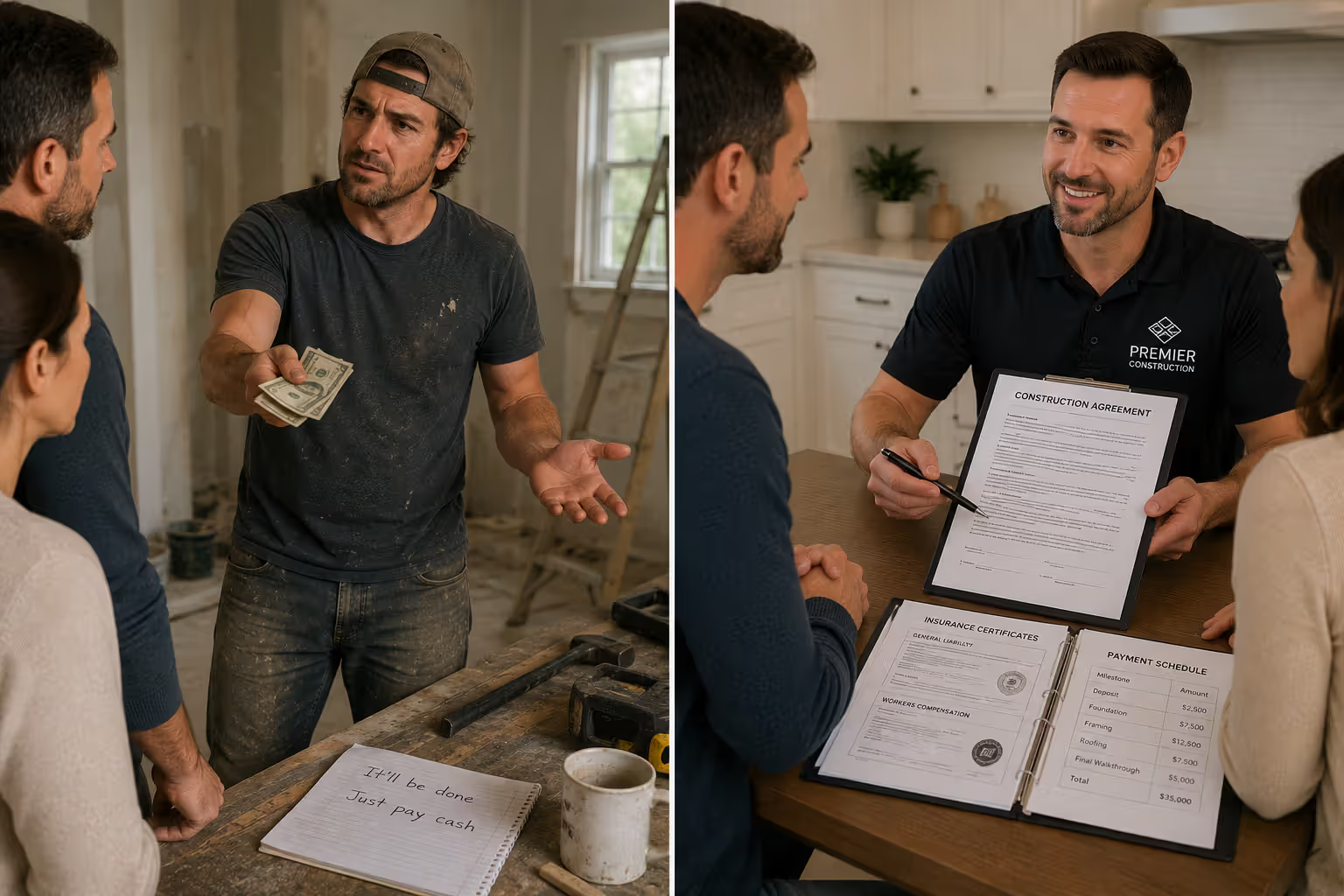
Refusing to provide written contracts or resisting documentation. Verbal agreements become worthless when disputes arise. Everything significant belongs in writing—scope, materials, timeline, payment schedule, warranties. Contractors who resist documentation are planning flexibility to change terms later.
High-pressure sales tactics. Phrases like "I can start tomorrow, but only if you commit today" or "This pricing expires in 24 hours" signal desperation or manipulation. Professional contractors don't employ these techniques. They understand renovation decisions require careful consideration and provide time for that process.
Demanding cash payments or requesting full payment upfront. Cash transactions eliminate paper trails. When problems arise, you can't pursue claims effectively. Large advance payments give contractors your money before they've earned it through performance. What incentive remains for them to complete work satisfactorily?
No physical business address or local presence. Post office boxes or out-of-state addresses make contractors difficult to locate when problems arise. Established local contractors have offices, showrooms, or warehouses you can visit.
Submitting bids dramatically below competitors. When one estimate comes in 40% lower than others, investigate why. They may plan corner-cutting, underestimate work complexity (leading to delays and disputes), or intend inflating costs through change orders later. Sometimes low bids simply reflect desperation for work.
Poor communication before signing contracts. Reaching them proves difficult during the sales phase? Expect worse once they have your deposit. Contractors prioritize customers based on payment status—if they're unresponsive before receiving money, they'll be worse after.
Operating without proper licensing or insurance. This should immediately disqualify any contractor from consideration, regardless of how attractive their pricing or personality.
Hesitating to share references or portfolio examples. Contractors proud of their work eagerly showcase it. Those who deflect reference requests or only offer one or two contacts likely have problematic histories.
Constantly criticizing previous clients or competitors. Professionals don't badmouth others. If they blame every past problem on someone else—difficult customers, incompetent subcontractors, unfair inspectors—eventually they'll blame you when issues arise.
When something feels off, listen to that instinct. Your subconscious often recognizes problems before you can articulate them clearly.
Contractor Selection Checklist and Final Steps
You've completed research, conducted interviews, verified credentials, and contacted references. Now synthesize that information into a hiring decision using this contractor selection checklist.
Author: Caleb Norton;
Source: johnhranec.com
Compare your top candidates against these criteria:
- Current license confirmed through state database verification
- Active general liability and workers' compensation insurance confirmed through direct insurer contact
- Strong references from at least three recent, comparable projects
- Minimal or no complaints with BBB and state licensing authorities
- Comprehensive written estimate aligning with project scope
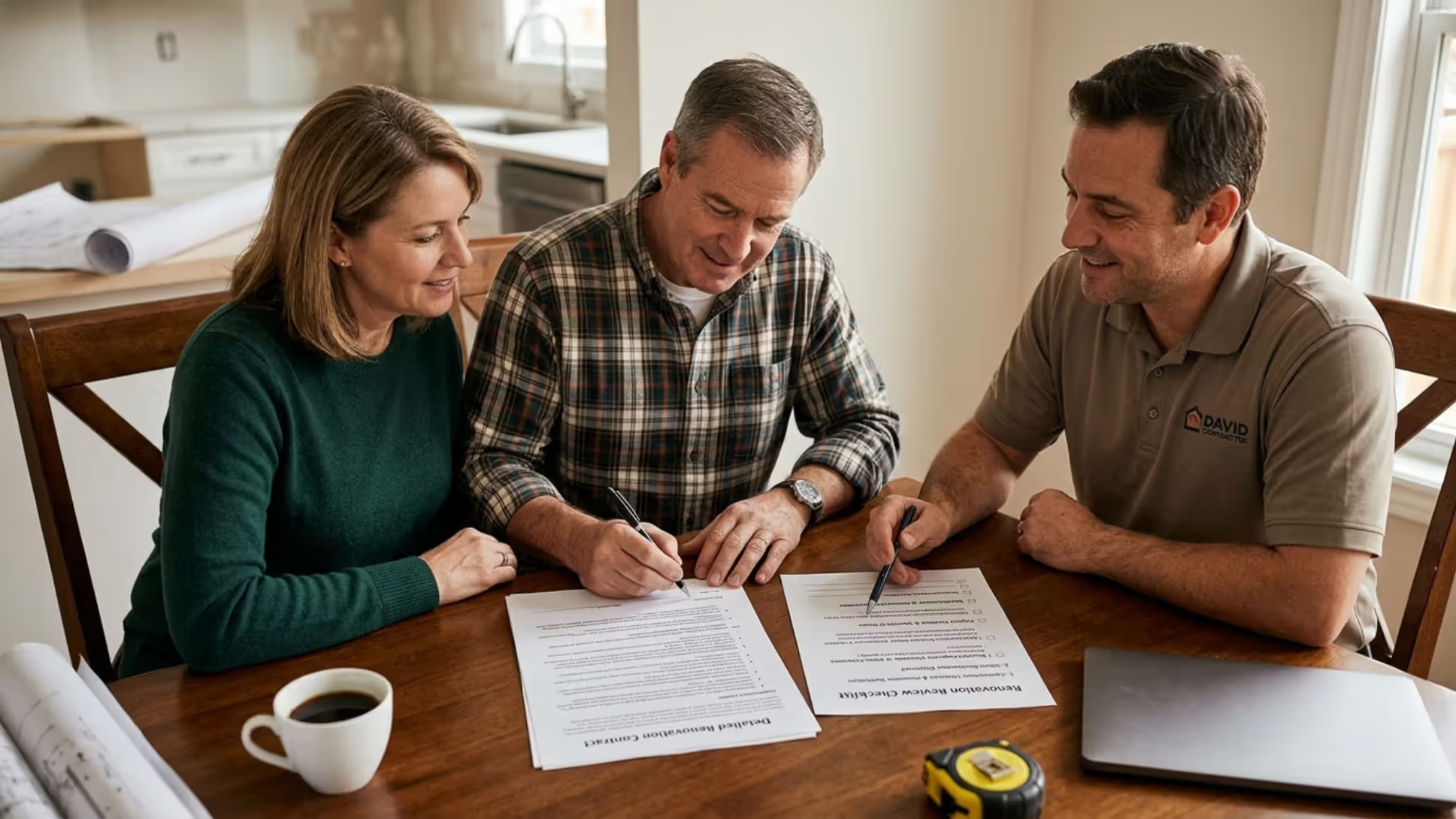
- Willingness to execute detailed written contracts
- Communication style matching your preferences, with consistent responsiveness
- Payment schedule structured around milestone completion, not front-loaded
- Written workmanship warranty provided
- Agreement to obtain all required permits
Before signing contracts, review them meticulously. Complete contracts should contain:
Comprehensive work scope: Every task, material specification, and quality standard. Greater detail provides better protection. "Install granite countertops" lacks specificity—identify which granite color, edge profile, and thickness.
Project schedule: Specific start date, estimated completion date, and major milestone timeline. Include weather delay provisions and acceptable reasons for extensions.
Payment terms: Disbursements tied to specific completion phases, not arbitrary dates. Retain final payment (typically 10-15%) until work completion meets your satisfaction and passes inspection.
Material specifications: Exact brands, model numbers, colors, and grades. Generic descriptions create disputes. Specify "Kohler Memoirs toilet in white, model K-6669" rather than simply "toilet."
Change order procedures: Documentation requirements, pricing methodology, and approval processes for modifications. Establish that all changes require written approval before work proceeds.
Warranty details: Coverage scope, duration, and exclusions spelled out explicitly. Make clear what the contractor guarantees versus what manufacturers cover.
Permit and inspection responsibilities: Clarification of who obtains permits, schedules required inspections, and covers associated costs.
Site protection and cleanup: How the contractor will protect your home during work and who handles daily and final cleanup. Specify whether you'll have access to certain rooms during construction.
Dispute resolution mechanisms: Agreed procedures for handling disagreements—mediation, arbitration, or other processes before litigation.
Resist pressure to sign immediately. Take contracts home, review them carefully over several days, and consider legal review for large or complex projects. A hundred dollars for attorney review can prevent ten thousand dollars in disputes.
The optimal choice typically combines solid credentials with clear communication and fair pricing. You don't need the cheapest bid or the most impressive marketing materials. You need someone who'll appear consistently, deliver quality craftsmanship, and respect your home and family.
The costliest error homeowners make isn't overpaying a contractor—it's underpaying one who compensates by cutting corners. Reputable contractor pricing reflects quality materials, skilled labor, proper insurance coverage, and adequate time for careful work. You're not purchasing the lowest estimate; you're investing in confidence that the job will be done right.
— Mitchell Robert
Comparison: Reputable vs. Unreliable Contractor Warning Signs
| Category | Reputable Contractor (Green Flags) | Unreliable Contractor (Red Flags) |
| Licensing | Active license verified through state database | Unlicensed, expired credentials, or refuses to share license information |
| Communication | Returns inquiries within one business day, provides clear explanations | Difficult to reach, offers vague answers, dismisses your concerns |
| Payment Terms | Modest initial deposit (10-20%), payments linked to milestones | Demands large upfront payment or insists on cash-only transactions |
| Contract | Detailed written agreement addressing all project aspects | Avoids written contracts or provides vague one-page documents |
| References | Offers multiple current references and welcomes site visits | Reluctant to share references or only provides outdated contacts |
| Timeline | Realistic schedule accounting for potential complications | Promises completion timelines that seem unrealistically fast |
| Pricing | Mid-range estimate with itemized breakdown | Significantly lowest bid lacking detail or explanation |
| Insurance | Maintains and verifies current liability and workers' comp policies | Cannot provide insurance verification or lacks adequate coverage |
FAQ: Contractor Hiring Questions Answered