
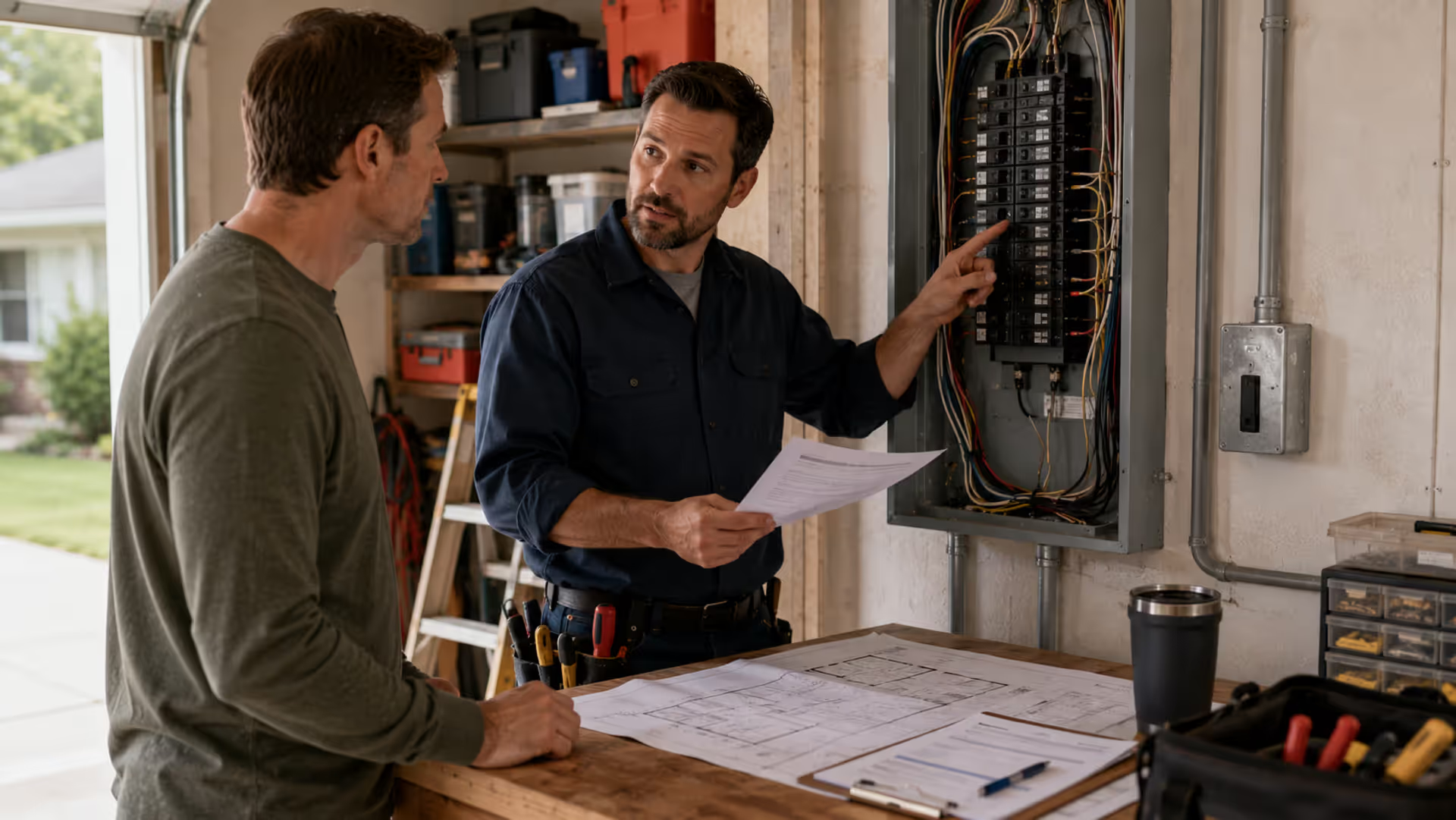
Homeowner and licensed electrician reviewing electrical permit requirements and panel work
What Electrical Work Can Be Done Without a Permit?

Content
When you're staring at a broken light switch at 10 PM, the last thing you want to think about is whether you need government permission to fix it. Good news: you probably don't. Plenty of everyday electrical repairs fall outside the permit system entirely. But here's where homeowners get tripped up—the line between "quick fix" and "call the building department" isn't always obvious, and crossing it accidentally can cost you thousands in fines, tank your insurance claim, or blow up a home sale.
Understanding Electrical Permit Requirements in the US
Here's why permits exist: they stop your house from burning down. An inspector shows up, checks that your wiring won't start a fire or electrocute someone, and signs off. That's it. The National Electrical Code provides the baseline safety rules that apply everywhere, but your city or county actually decides what needs a permit and what doesn't.
There's no national permit law. Washington doesn't care if you install an outlet. Your local building department absolutely does—or might not, depending on where you live. Phoenix treats certain projects differently than Philadelphia. Some cities publish clear lists online showing exactly what's exempt. Others make you call and ask someone who may or may not give you a straight answer.
Here's the pattern that confuses everyone: permits usually hinge on whether you're modifying your electrical system or just maintaining what's already there. Replacing a dead outlet in the same box? Usually fine. Adding an outlet where there wasn't one before? Now you're expanding the system, and that typically triggers a permit requirement.
You can figure out your local rules by visiting your city or county building department website. Search "(your city name) electrical permit exemptions" or "residential electrical permits." Many jurisdictions post downloadable PDFs that spell out what's allowed. When you can't find clear answers online, call the building department directly—talk to a plan reviewer, not just whoever answers the phone.
The mistake I see constantly: homeowners assuming they're legally barred from touching anything electrical. That's just not true in most places, though what you're allowed to do yourself varies wildly by state.
Common Electrical Projects That Don't Require Permits
Most cities exempt basic maintenance and identical replacements. The logic makes sense—if you're not changing how much power flows where, the safety profile stays the same.
Author: Nathan Cole;
Source: johnhranec.com
Replacing Existing Fixtures and Devices
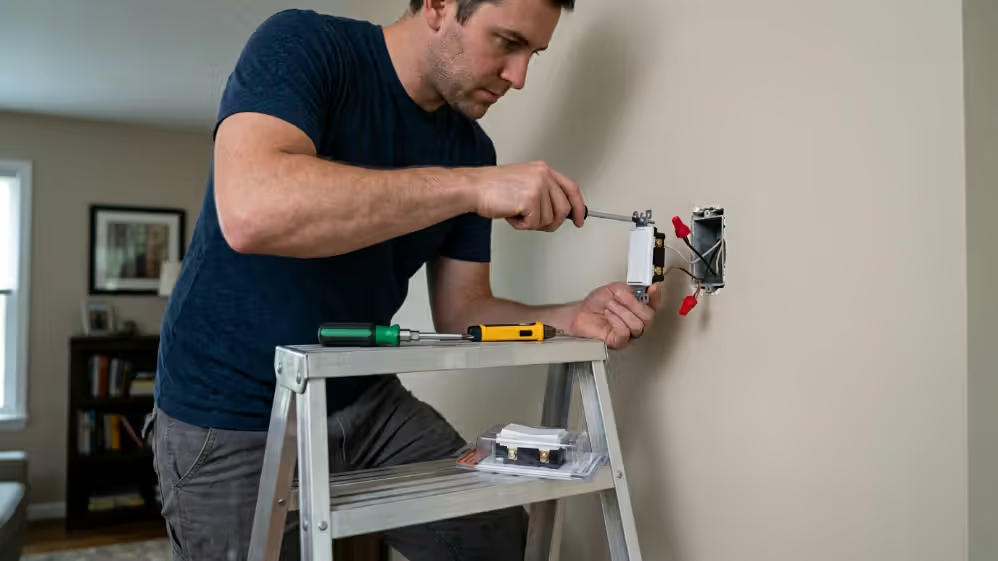
Swapping out a broken light switch for the same type almost never needs a permit. Same goes for outlets, light fixtures, ceiling fans (if the box was already rated for fans), and dimmer switches. The magic word here is "replacement"—you're not upgrading capacity or moving anything around.
Typically permit-exempt replacements include:
- Standard single-pole and three-way switches
- 15-amp or 20-amp outlets matching your circuit rating
- Light fixtures and chandeliers at existing locations
- Ceiling fans on boxes already rated for fan weight
- Doorbell transformers
- Thermostats for HVAC systems
But there's a catch. When your "replacement" involves an upgrade—say, putting in a GFCI outlet where a regular one was, or installing a smart dimmer that needs a neutral wire you'll have to run—some jurisdictions call that a modification and want a permit. The safe rule: if you're opening walls or running new wire, get a permit.
Minor Repairs and Maintenance Work
Fixing broken stuff generally doesn't need permission. Tightening a loose wire connection, replacing a melted wire nut, reattaching a fixture that's come loose from its box—that's maintenance. You're restoring what was working, not adding to the system.
Other typically exempt maintenance includes:
- Replacing cracked outlet or switch plates
- Changing light bulbs (yes, technically electrical work)
- Resetting breakers that have tripped
- Replacing fuses in older fuse boxes (though those boxes really should be upgraded)
- Cleaning corrosion off wire connections
Here's something that surprises people: even though these jobs don't need permits, they still have to meet code. A DIY repair that violates NEC standards is still illegal, permit or not. If an inspector happens to see it during an unrelated inspection, they can cite you for it regardless of whether you pulled a permit.
Electrical Work That Always Requires a Permit
Major electrical projects need permits everywhere because they significantly change your system's safety and capacity. No city anywhere gives homeowners a pass on these.
Author: Nathan Cole;
Source: johnhranec.com
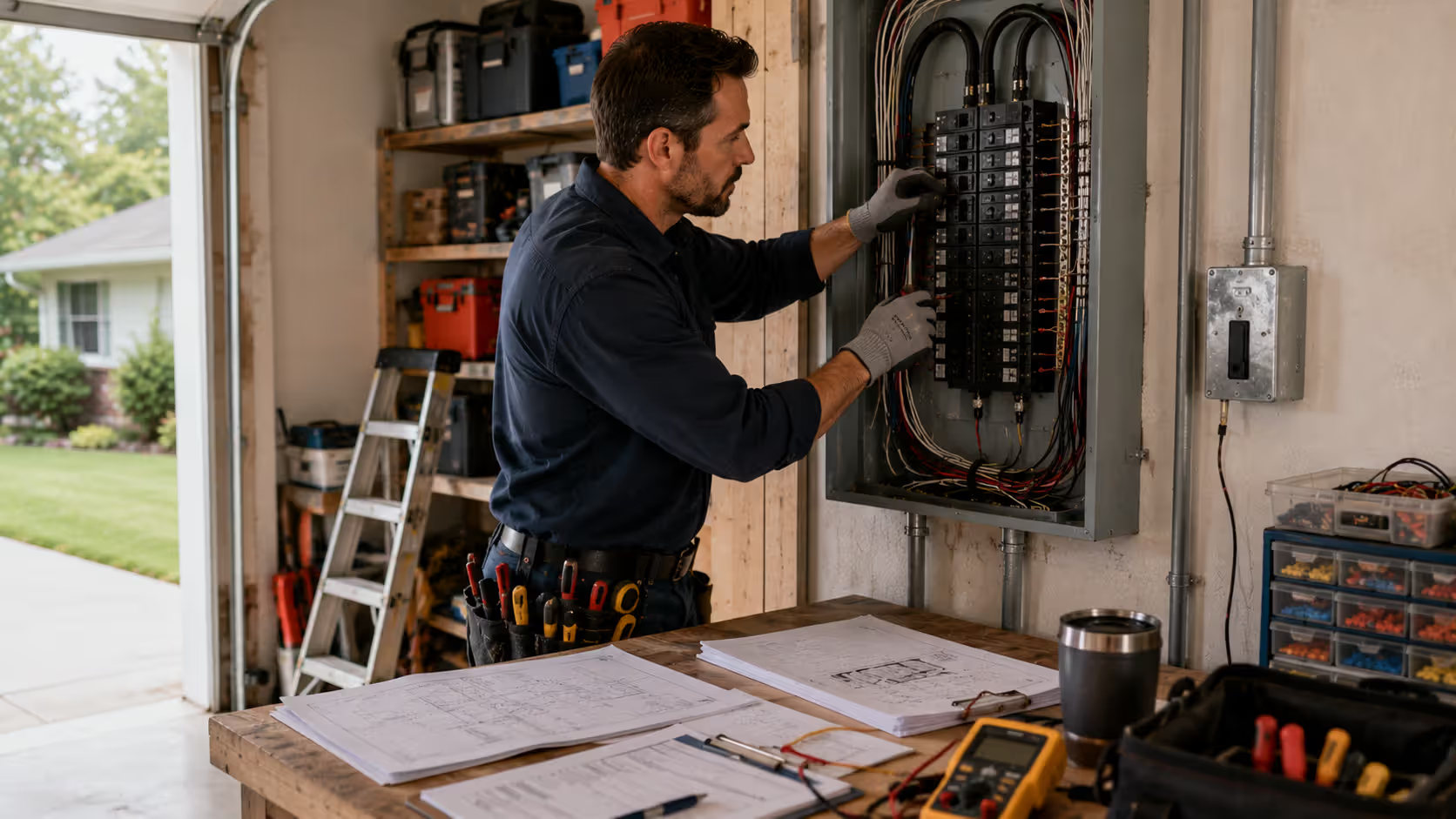
Service panel work tops the list. Upgrading from 100-amp to 200-amp service, swapping a fuse panel for breakers, or adding a subpanel—all require permits and inspections. You're dealing with the main power feed to your house, and mistakes here kill people.
Adding new circuits needs a permit in every jurisdiction I've ever seen. Running a new 20-amp circuit for kitchen outlets, installing a dedicated 240-volt line for a dryer, adding circuits to your garage—all require permits. You're changing your system's load calculations, and inspectors need to verify you haven't overloaded your service capacity.
Rewiring projects definitely need permits. Whether you're replacing old knob-and-tube wiring or running new wire through walls for an addition, permits aren't optional. These jobs involve opening walls, drilling through studs, and making dozens of connections—all high-risk activities.
Installing outlets or switches in new locations requires permits even though it seems minor. Adding an outlet to a bare wall means extending an existing circuit or creating a new one. Same thing if you're moving a switch to a different wall position.
Other always-permitted work:
- Installing backup generators or transfer switches
- Adding outdoor outlets or landscape lighting circuits
- Wiring hot tubs, pools, or spas
- Installing EV charging stations
- Running power to sheds or detached garages
- Installing whole-house surge protectors at the panel
What happens when you skip permits ranges from annoying to catastrophic. Building departments can issue stop-work orders and fine you per day until you comply. Your homeowner's insurance might deny claims related to unpermitted work—if a fire starts in wiring you installed without a permit, you could be on the hook for all damages. Most importantly, unpermitted work that violates code creates real safety hazards.
When DIY Electrical Work Becomes a Legal Issue
Your liability for electrical work goes way beyond just permit violations. Even permit-exempt projects can create legal nightmares when done wrong.
Insurance problems hit hardest. Policies typically cover sudden accidents but exclude damage from faulty workmanship or code violations. If your DIY outlet installation causes a fire, the insurance company investigates. They'll send an adjuster who knows what proper electrical work looks like. When they find code violations—wrong wire gauge, missing junction box covers, improper grounding—they may deny the entire claim.
Some insurers specifically ask about DIY electrical work when you file claims. Lying on a claim form is fraud. Telling the truth about unpermitted or improper work can void your coverage.
Home sale problems emerge when you try to sell. In most states, sellers must disclose known defects and unpermitted improvements. If you added circuits without permits, you're legally required to tell buyers. That disclosure kills deals or forces price reductions.
Even without disclosure, home inspectors often spot unpermitted work. They open panel covers and see new circuits with shiny copper while older circuits show oxidation. They notice outlet counts that don't match original construction. When they flag potential issues, buyers demand explanations.
The fix? Retroactive permits. You can hire an electrician to inspect the work, bring it up to code if needed, and apply for after-the-fact permits. Expect to pay double—once for corrections and again for permit fees and the electrician's time dealing with inspections.
Inspection failures during renovations can expose old unpermitted work. Say you're remodeling your kitchen (with proper permits) but years ago you added circuits in your garage without permits. When the inspector comes for your kitchen work, they might notice the garage modifications. Some inspectors require you to fix all code violations they observe, even if they're unrelated to the permitted work.
This ties directly into contractor agreements. When hiring professionals for any renovation, your contract's scope should spell out what's included and what's not. If you have old unpermitted work, address it explicitly in the agreement to avoid disputes about who pays for corrections.
Protecting Yourself When Hiring an Electrician
Hiring a licensed electrician doesn't eliminate your risk. The contract you sign determines who pays when things go wrong.
The biggest mistake homeowners make is treating electrical contracts like formalities. These documents determine who pays when inspections fail, who's liable if work damages your home, and whether you can withhold payment for incomplete work. Read every line before signing.
— Thompson Michael
What Your Electrical Contractor Agreement Should Include
A solid electrical contract protects both sides by spelling out expectations clearly. At minimum, it needs:
Detailed scope of work describing exactly what the electrician will do. "Install outlets" is too vague. "Install four 20-amp GFCI-protected outlets in kitchen at locations marked on attached diagram, including running 12/2 NM cable from panel and installing new breaker" leaves no room for interpretation. Vague scopes create disputes about what's covered.
Permit responsibilities clarifying who pulls and pays for permits. Most electricians handle permits as part of their service, though some charge separately. Your contract should state the electrician is responsible for passing inspections and fixing any work that fails.
Materials specifications listing exactly what products the electrician will use. Brand names matter—there's a quality difference between premium and budget electrical devices. If you care about specific brands or features, write them into the contract.
Timeline and schedule with start and completion dates. Include language about delays beyond the contractor's control (material shortages, weather for outdoor work) versus delays they own (poor scheduling, incomplete crews).
Total cost breakdown separating labor, materials, permits, and other fees. Fixed-price contracts protect you from cost overruns. Time-and-materials contracts can balloon when the job hits complications, so include a not-to-exceed cap.
Change order process explaining how additional work gets approved and priced. Verbal agreements create disputes. Require written change orders with prices before any extra work starts.
Warranty terms covering both workmanship and materials. Standard warranties run one year for labor and vary for materials based on manufacturer terms. Get this in writing—verbal promises mean nothing when problems show up months later.
Cleanup and disposal responsibilities. Who hauls away the old panel? Who patches drywall holes? Who sweeps up wire scraps? Spell it out.

Author: Nathan Cole;
Source: johnhranec.com
Payment Terms and Deposit Guidelines
Payment schedules balance the contractor's cash flow needs against your need to ensure completion. Never pay the full amount upfront—you lose all leverage.
Typical payment structures look like this:
- Deposit: 10-25% to book the job and buy materials
- Progress payment: 25-50% at a defined milestone (rough-in inspection passed, for example)
- Final payment: Remaining balance after completion and final inspection
Deposits over 30% are red flags. Contractors with healthy cash flow don't need huge upfront payments. If they claim they need 50% down to buy materials, they're either overestimating material costs or having cash flow problems that might leave your job unfinished.
State deposit regulations vary. Some cap deposits at certain percentages or dollar amounts. In California, for home improvement contracts under $5,000, deposits can't exceed the lesser of $1,000 or 10% of the total price. Check your state's contractor licensing board for local rules.
Payment timing should tie to verifiable milestones, not calendar dates. "50% when rough-in passes inspection" beats "50% on day three" because it links payment to completed work. If the inspector fails the rough-in, you haven't paid for incomplete work.
Final payment timing should only happen after:
- All work is complete per the scope
- Final inspection has passed
- You've received copies of the approved permit and inspection reports
- The electrician has provided a signed lien waiver
That last point matters more than most homeowners realize.
Lien waivers from contractors protect you from subcontractors or suppliers filing liens against your property. If your electrician doesn't pay their supplier for materials used in your job, that supplier can put a lien on your house—even though you paid the electrician in full.
Request conditional lien waivers at each payment milestone and a final unconditional lien waiver before releasing final payment. The waiver states the contractor has been paid and waives their right to file a lien. In some states, these are standard practice. In others, you'll need to ask specifically.
Red Flags in Contractor Contracts
Certain contract terms signal trouble ahead. Walk away if you see:
No written contract at all. "We can start Monday, just give me the deposit" without paperwork is a lawsuit waiting to happen. Professional contractors use written agreements.
Pressure to pay cash for a "discount." This usually means the contractor plans to skip permits and not report income. You lose all paper trail when disputes arise.
Vague completion language like "work will be done when it's done" or no timeline whatsoever. This lets contractors juggle multiple jobs while yours sits incomplete.
No license or insurance information. Every state requires electrical contractors to be licensed. Verify the license number with your state's licensing board. Confirm they carry both liability insurance and workers' compensation. If their unlicensed worker gets injured on your property, you could face liability.
Suggesting you skip permits. If a contractor proposes skipping permits to save money, find someone else. They're proposing illegal work and signaling they cut other corners too.
Front-loaded payment schedules. If they want 70% upfront and 30% at completion, they're either desperate for cash or planning to disappear after the deposit.
No warranty or inspection contingencies. Contracts should guarantee the work will pass inspection and specify who pays for corrections if it doesn't (the contractor should).
The easier path here: use licensed, insured contractors who follow standard industry practices. Their contracts might cost more upfront, but they protect you from expensive problems down the road.
State-by-State Variations in Electrical Permit Rules
Permit requirements differ dramatically across states and even between cities in the same state. Here are some examples:
California generally requires permits for any electrical work beyond simple repairs and replacements. Adding outlets, circuits, or fixtures in new locations needs permits. Homeowners can do their own electrical work in their primary residence, but it must meet code and pass inspection.
Texas takes a more permissive approach in many jurisdictions. Some cities let homeowners add circuits and outlets without permits as long as they're not modifying service panels. But Houston has stricter rules than rural Texas counties.
Florida requires permits for most electrical work but exempts minor repairs and like-for-like replacements. The state explicitly allows homeowners to do electrical work on their own homes without a license, though permits are still required for major projects.
New York varies wildly by locality. New York City has extremely strict permitting requirements and doesn't let unlicensed homeowners do much electrical work at all. Upstate rural areas are far more lenient.
Arizona generally doesn't require permits for replacing existing devices or fixtures, but adding new circuits or outlets does. Homeowners can work on their own single-family residences without an electrician's license.
This sample barely scratches the surface. Within each state, counties and cities add their own requirements. Always check with your local building department before starting work.
One common mistake: assuming that because your neighbor didn't need a permit for similar work, you won't either. Rules change, inspectors vary in enforcement, and your neighbor might have done unpermitted work that just hasn't been caught yet.
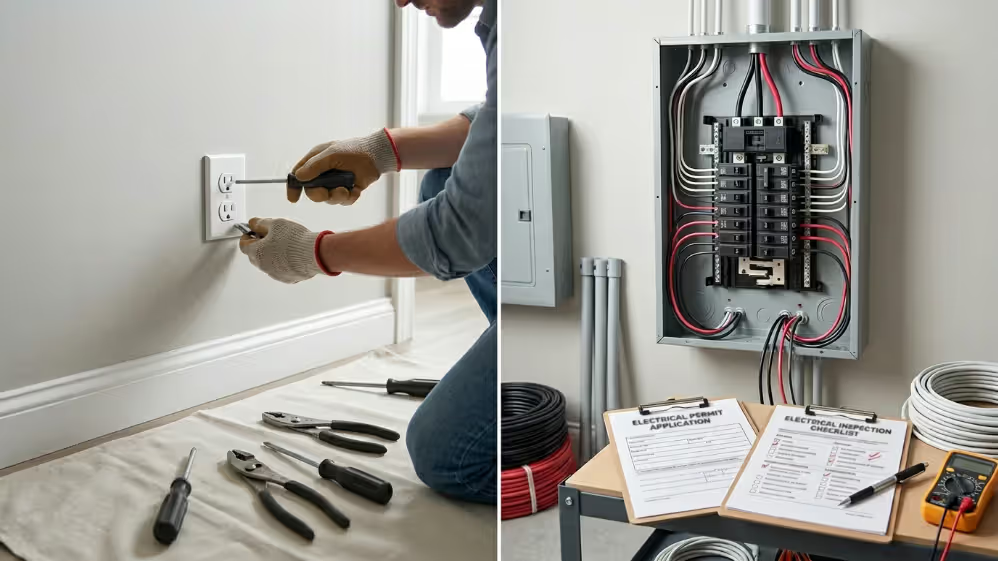
Permit vs. No Permit: Common Electrical Projects Comparison
| Project Type | Permit Needed? | Can Homeowners DIY? | Important Details |
| Swap out existing outlet (same spot) | Usually no | Yes in most states | Must match circuit amperage rating |
| Add outlet where there wasn't one | Yes | Varies by state | You're extending a circuit |
| Swap light fixture | Usually no | Yes | New fixture must work with existing box |
| Put in ceiling fan | Depends | Yes | Permit not needed if box already fan-rated; needed if installing new rated box |
| Replace light switch | Usually no | Yes | Only for identical replacement |
| Add three-way switch setup | Yes | Varies | New wiring configuration requires permit |
| Upgrade electrical panel | Yes | Rarely allowed | Most states require licensed pro |
| Run new circuit | Yes | Varies by state | Permit always required; DIY legality varies |
| Install GFCI outlet (replacing regular) | Sometimes | Yes | Some jurisdictions consider this a modification |
| Rewire entire room | Yes | Varies | Major project requiring permit everywhere |
| Add landscape lighting | Yes | Varies | New circuits require permits |
| Replace doorbell transformer | Usually no | Yes | Straightforward replacement, typically no permit |
Author: Nathan Cole;
Source: johnhranec.com
FAQ: Electrical Permits and Home Renovations Questions Answered