New Windows, Real Value
Do New Windows Increase Home Value?

Content
Homeowners spend thousands on upgrades hoping to see that money come back when they sell. Some projects deliver. Others don't.
Window replacement sits somewhere in the middle of the ROI spectrum, but the real answer depends on several factors most people overlook. You're not just buying glass and frames—you're investing in energy efficiency, curb appeal, and buyer confidence. The question isn't whether new windows add value. It's how much, and whether that return justifies the upfront cost in your specific situation.
Let's break down the numbers, compare windows to other major renovations, and figure out when this upgrade makes financial sense.
How Much Value New Windows Add to Your Home
New windows typically recoup 68–78% of their installation cost at resale, according to 2026 remodeling cost-versus-value data. That means a $15,000 window replacement project adds roughly $10,200–$11,700 to your home's market value.
Not amazing. Not terrible.
The national average sits around 72%, but regional variations matter more than most homeowners realize. In the Northeast and Midwest, where heating costs dominate household budgets, energy-efficient windows can hit 80% ROI or higher. Southern markets see lower returns—closer to 65%—because climate control savings matter less to buyers who run AC a few months per year.
Here's what influences your actual return:
Your home's current condition. Replacing rotted, drafty single-pane windows in a well-maintained home delivers maximum impact. Buyers notice the contrast. But if your roof needs work, your siding is cracked, or your HVAC system is 20 years old, new windows won't move the needle much. Buyers prioritize structural and mechanical issues first.
Neighborhood price ceiling. Installing $25,000 custom wood windows in a $250,000 neighborhood is financial self-sabotage. You'll never recoup that premium. The home improvements that increase home value are the ones that match—not exceed—what comparable homes offer.
Window age and style. Going from 1980s aluminum sliders to modern vinyl double-hung windows makes a visible difference. Replacing 10-year-old vinyl with slightly better vinyl? Buyers won't care enough to pay more.
Energy cost trends. As utility rates climb—up 18% nationally since 2024—buyers increasingly factor monthly operating costs into purchase decisions. Windows with low U-factors and ENERGY STAR certification appeal to cost-conscious millennials and Gen Z buyers who'll own the home for decades.
The pattern I see most often is this: sellers who replace windows primarily for personal comfort during ownership shouldn't expect full payback. Those who time the upgrade 1–2 years before listing and market the energy savings aggressively do better.

Author: Sophie Langston;
Source: johnhranec.com
What Determines the ROI on Window Replacement
Not all window projects are created equal. Your renovation return on investment guide starts with understanding which variables actually move resale value.
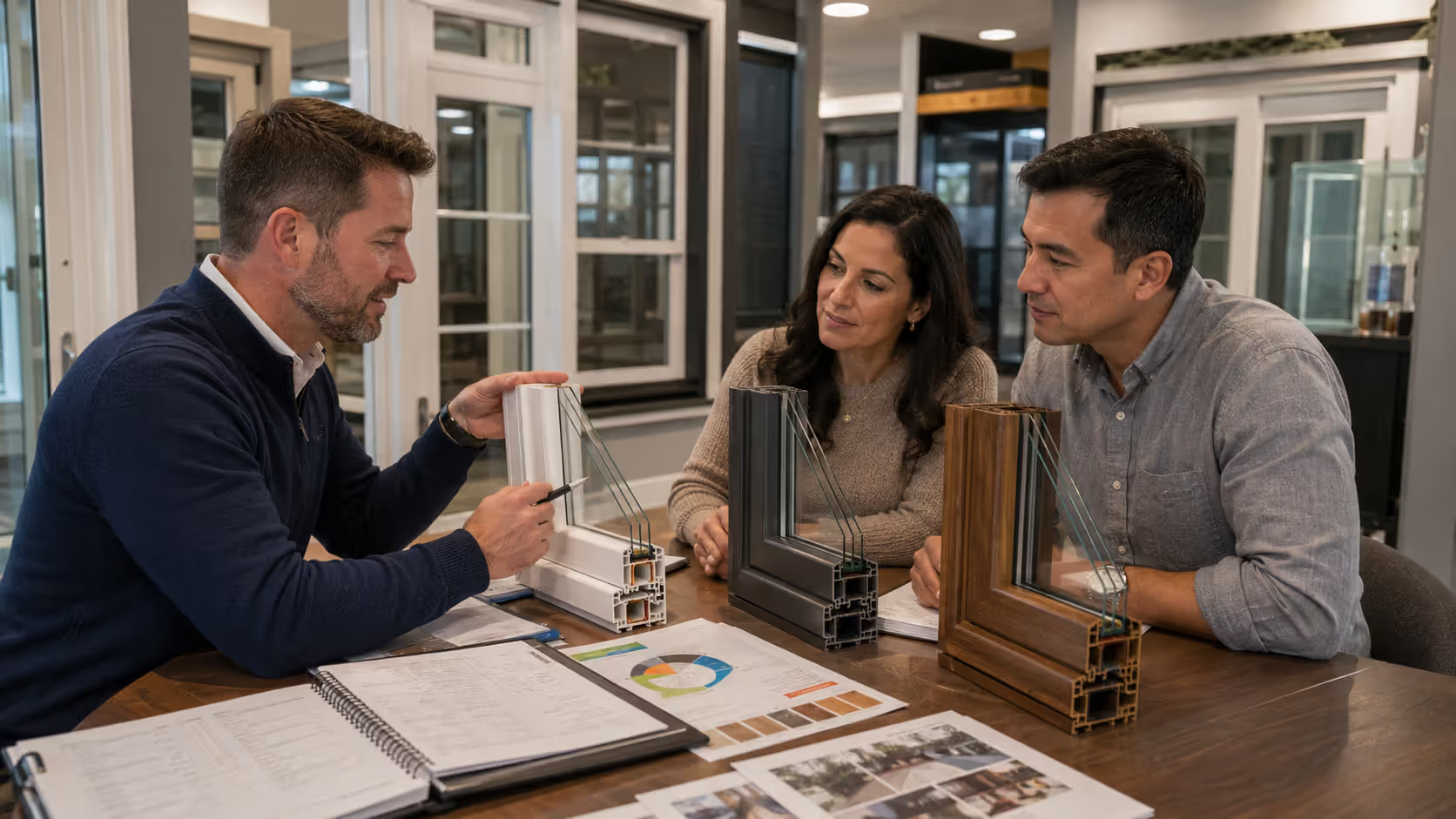
Material choice matters more than brand. Vinyl windows dominate the replacement market because they offer the best cost-to-performance ratio. They don't rot, they don't need painting, and they last 20–25 years. Wood windows look beautiful and appeal to historic-home purists, but they cost 40–60% more and require maintenance buyers increasingly don't want to deal with.
Fiberglass splits the difference—durable like vinyl, paintable like wood—but the price premium rarely translates to higher resale value unless you're in a luxury market.
Energy performance is your negotiating leverage. Windows with U-factors below 0.30 and Solar Heat Gain Coefficients (SHGC) appropriate for your climate zone give you talking points during buyer negotiations. You're not just saying "new windows." You're showing utility bill comparisons and ENERGY STAR certificates.
Buyers won't pay $5,000 extra because your windows have a 0.27 U-factor instead of 0.32. But they'll choose your home over a comparable listing with old windows, which effectively increases value by reducing time on market.
Curb appeal drives emotional offers. Real estate agents will tell you that first impressions happen in the first eight seconds. New windows—especially black or bronze frames that contrast with light siding—signal "well-maintained" before buyers even step inside. That emotional response often matters more than the actual R-value.
Installation quality can tank your ROI. Poorly installed windows leak air, void warranties, and create moisture problems that show up in pre-sale inspections. Always hire certified installers and keep all documentation. Buyers and appraisers want to see permits and warranties.
The renovation payback period guide for windows typically runs 8–12 years if you're staying in the home and banking energy savings. If you're selling within three years, you're relying almost entirely on perceived value and buyer preference—not actual cost recovery through utility bills.
Author: Sophie Langston;
Source: johnhranec.com
How New Windows Compare to Other Home Renovations
Windows aren't the worst investment. They're also not the best.
Here's how they stack up against other common projects homeowners consider before selling:
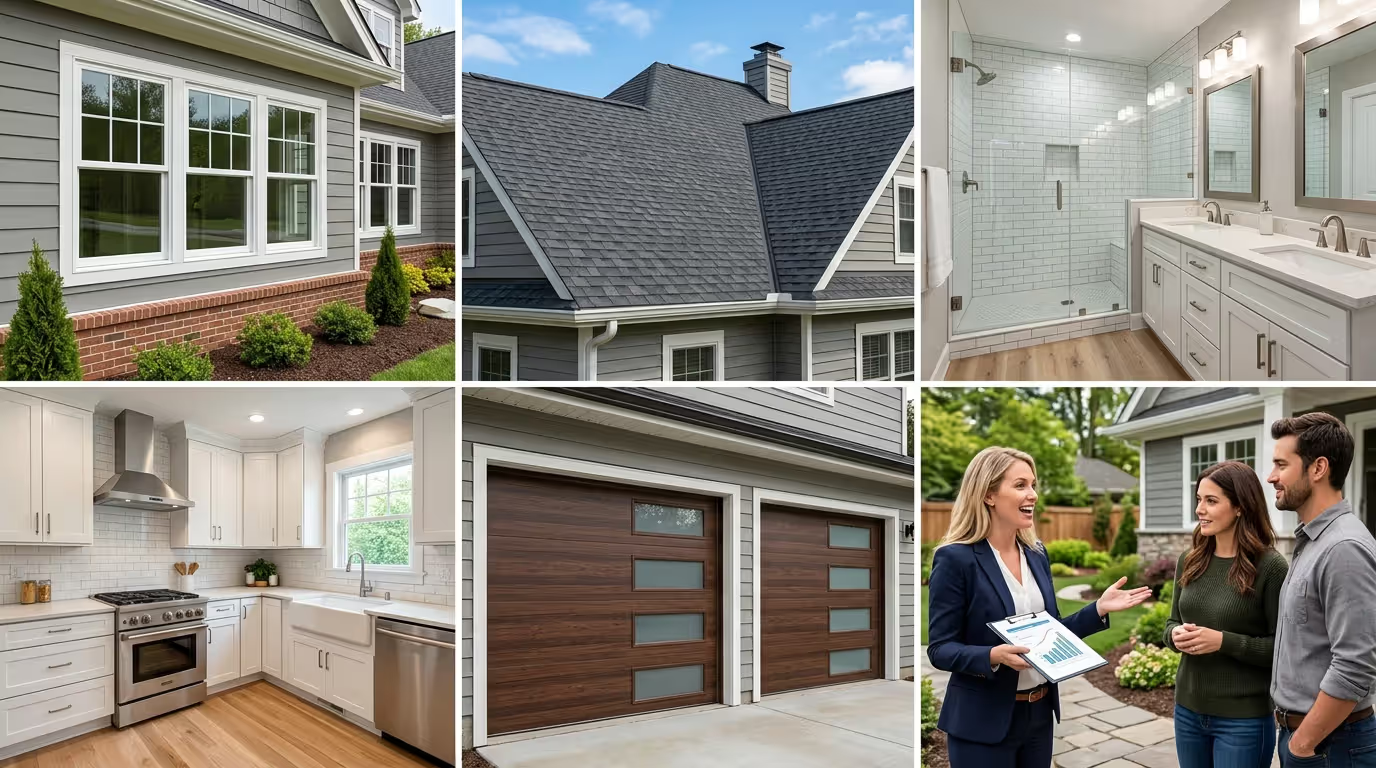
| Renovation Type | Average Cost | Value Recouped | ROI % | Payback Period |
| Window Replacement (vinyl) | $15,400 | $11,100 | 72% | 10–12 years |
| Asphalt Roof Replacement | $28,200 | $19,900 | 71% | N/A (necessity) |
| Metal Roof Replacement | $47,500 | $33,300 | 70% | 15–20 years |
| Minor Bathroom Remodel | $28,000 | $19,300 | 69% | 8–10 years |
| Major Bathroom Remodel | $81,500 | $52,200 | 64% | 12–15 years |
| Foundation Repair | $4,500–$15,000 | $3,200–$10,500 | 70% | N/A (necessity) |
| Garage Door Replacement | $4,300 | $3,700 | 86% | 5–7 years |
| Minor Kitchen Remodel | $32,400 | $23,000 | 71% | 8–10 years |
Windows land squarely in the middle tier of best renovations for resale value. They're not glamorous like a kitchen remodel, but they outperform most cosmetic upgrades.
Author: Sophie Langston;
Source: johnhranec.com
Does a New Roof Increase Home Value
Yes, but mostly because buyers won't touch a home with a failing roof.
An asphalt shingle roof replacement recoups about 71% of its cost—nearly identical to windows. But here's the difference: a roof isn't optional. If yours is 20+ years old, curling, or missing shingles, you'll either replace it before listing or watch buyers demand a price reduction that exceeds the replacement cost.
Does a metal roof increase home value more than asphalt? Slightly, but not enough to justify the price premium in most markets. Metal roofs recoup around 70% and appeal to buyers in hurricane zones, wildfire areas, and regions with severe hail. Everywhere else, buyers see them as unusual—not necessarily better.
The simpler option usually wins here. Replace a worn roof with quality asphalt shingles, pocket the savings, and move on.
Does Bathroom Remodel Increase Home Value
It depends on how far you go.
A minor bathroom remodel—new fixtures, fresh tile, updated vanity—returns about 69% and appeals to the broadest buyer pool. You're fixing outdated or damaged elements without over-improving.
A major bathroom remodel with custom tile, high-end fixtures, and expanded square footage? You'll recoup just 64%, and that's only in markets where luxury finishes are expected. Most buyers won't pay $30,000 extra because you installed a freestanding soaking tub.
Bathrooms matter because they're highly visible and emotionally charged spaces. But which renovations are worth it for resale comes down to fixing problems, not creating showrooms.
Does Foundation Repair Increase Home Value
Foundation repair is damage control, not value creation.
You won't recoup 100% of the cost, but you'll avoid losing 15–20% of your home's value by leaving it unaddressed. Buyers either walk away from foundation issues or demand massive concessions. Lenders often refuse to finance homes with active foundation problems.
If you're selling soon, get multiple quotes, fix it properly, and document everything. The repair itself doesn't add value—it removes a deal-killer.
When to Get Your Home Appraised After Installing New Windows
Most homeowners don't need a post-renovation appraisal unless they're refinancing or taking out a home equity line of credit.
If you're selling, the buyer's appraiser will assess the property during the transaction. Your job is to make sure the appraiser knows about the upgrade.
Should I get my home appraised after renovation? Only if you need an official valuation for financial purposes. An appraisal costs $400–$600 and doesn't change what buyers will pay. It just gives you a number.
But if you're staying put and want to refinance at a lower rate or eliminate PMI, a post-window appraisal can help—especially if you've also completed other upgrades like a roof or HVAC replacement.
Author: Sophie Langston;
Source: johnhranec.com
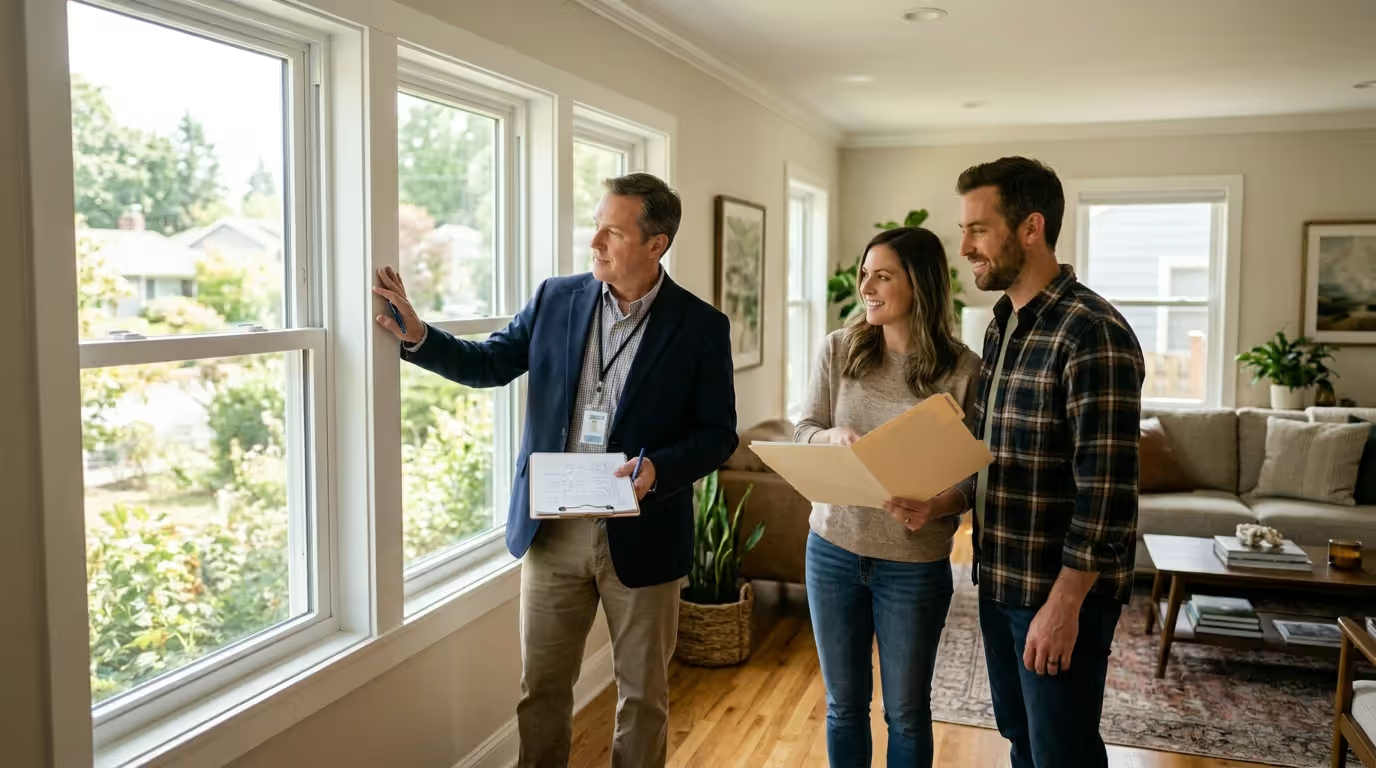
What appraisers look for:
- Window type, material, and condition
- Energy efficiency certifications (ENERGY STAR labels, NFRC ratings)
- Proper installation and permits
- Consistency with neighborhood standards
Keep all invoices, warranties, and permits in a folder. Hand copies to the appraiser. They can't give you credit for upgrades they don't know about or can't verify.
Timing matters. If you've done multiple projects—windows, roof, HVAC—wait until everything's complete before requesting an appraisal. You'll pay once instead of three times, and the cumulative impact carries more weight.
One thing appraisers won't do: give you dollar-for-dollar credit. They compare your home to recent sales of similar properties. If comparable homes don't have new windows, your appraised value might barely budge—even though buyers will prefer your home.
New windows rarely move an appraisal by the full installation cost, but they absolutely influence buyer behavior. I've seen homes with recent window upgrades sell 12–15 days faster than comparable listings, and that speed often translates to fewer price reductions. The value isn't always in the appraisal—it's in the negotiation.
— Mitchell Sarah
Which Window Upgrades Offer the Best Resale Value
Not every window upgrade delivers the same return. Some features buyers care about. Others they don't even notice.
Vinyl wins on cost and appeal. Vinyl windows account for roughly 65% of the replacement market because they're affordable, low-maintenance, and available in styles that match any home. Buyers don't penalize you for choosing vinyl. They penalize you for choosing cheap vinyl that fogs, warps, or fails within five years.
Stick with mid-tier brands that offer lifetime warranties and multi-chamber frames for rigidity. You don't need the $1,200-per-window premium option.
Energy efficiency certifications sell themselves. ENERGY STAR-rated windows give you marketing ammunition. You can advertise "new energy-efficient windows" in your listing and back it up with documentation. Buyers who care about monthly costs—and that's most of them—will ask about utility bills and window specs.
Low-E glass coatings, argon gas fills, and insulated frames aren't just buzzwords. They're measurable performance features that reduce HVAC runtime and improve comfort.
Style consistency matters more than you think. Replacing front-facing windows with modern double-hung units while leaving old sliders on the sides creates visual inconsistency that buyers notice. If budget forces you to phase the project, do all street-facing windows first. Then tackle sides and back as cash flow allows.
Color and finish trends shift. White and beige vinyl dominated for decades. Now black, bronze, and charcoal frames are trending—especially on modern farmhouse and contemporary homes. If your home's exterior is light-colored, dark window frames create contrast that photographs well and boosts curb appeal.
But don't chase trends in a traditional neighborhood. A 1950s ranch with black windows might look out of place next to beige-windowed colonials. Match the vibe.
Brand reputation has limits. Buyers recognize names like Andersen and Pella, but they won't pay $8,000 extra just because of a logo. Lesser-known brands with solid warranties and good reviews—Milgard, Simonton, Alside—perform just as well at resale.
Save the premium brands for your forever home. If you're selling within five years, mid-tier is the sweet spot.
Mistakes That Lower Your Window Replacement ROI
Author: Sophie Langston;
Source: johnhranec.com
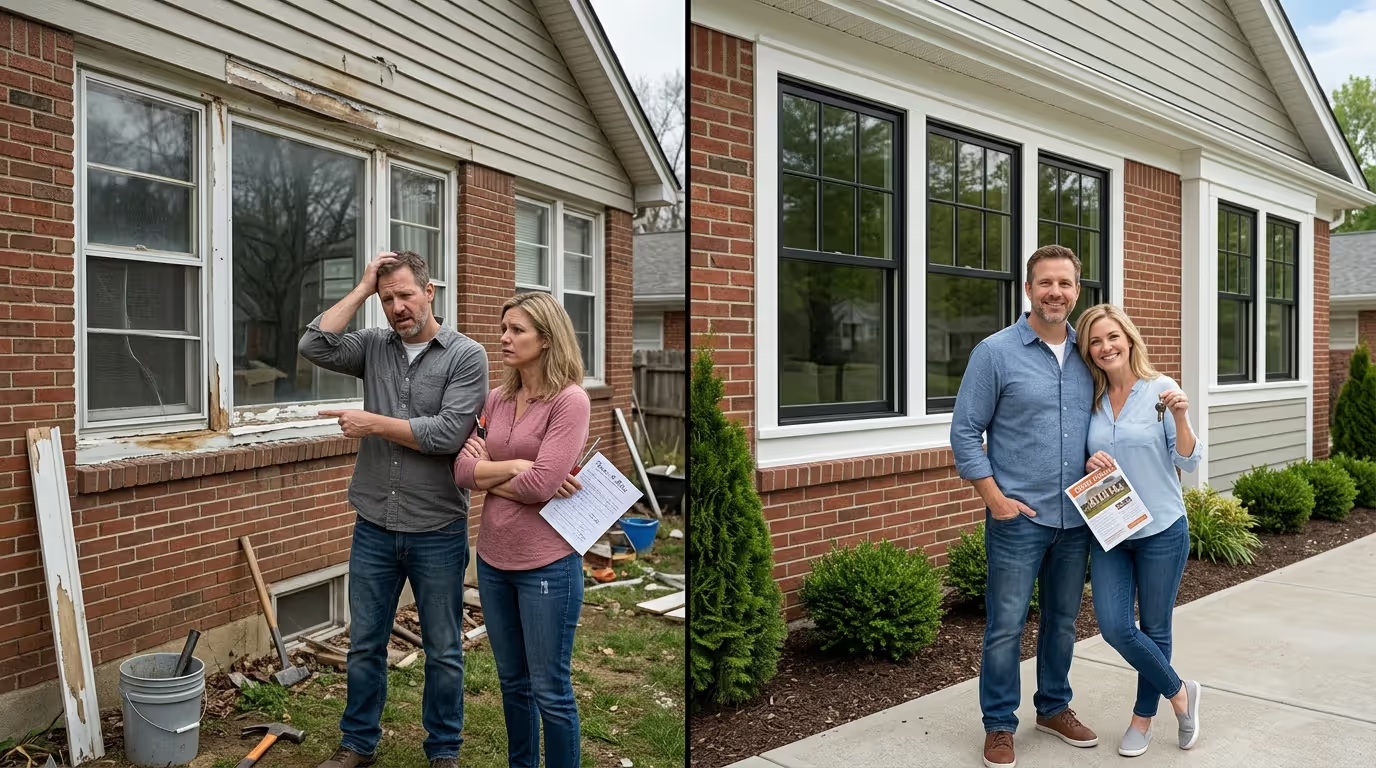
Even good projects can lose money if you make these common errors.
Over-improving for the neighborhood. Installing $30,000 worth of custom wood windows in a $300,000 subdivision is a financial mistake. Buyers shopping in that price range expect vinyl or basic fiberglass. Anything beyond that is wasted money.
Your home's value is capped by comparable sales. No amount of premium windows will push you $50,000 above the neighborhood ceiling.
Skipping permits and inspections. Some contractors offer "cash deals" that skip permitting to save money. Don't do it. Unpermitted work creates disclosure nightmares, voids warranties, and scares off buyers. If the work isn't permitted, many buyers assume it wasn't done correctly.
Mixing old and new. Replacing only a few windows to save money often backfires. Buyers notice mismatched styles, and appraisers note "partial window replacement" as incomplete work. If budget is tight, replace all street-facing windows first. At least the home presents consistently from the curb.
Ignoring climate-appropriate specs. Low SHGC glass makes sense in Phoenix. It's overkill in Maine. Windows optimized for your climate zone perform better and cost less than one-size-fits-all options. Buyers in cold climates care about U-factor. Buyers in hot climates care about SHGC. Know your market.
Choosing style over function. Casement windows look great and offer excellent ventilation. But if you're replacing double-hung windows in a traditional colonial, casements might feel out of place. Buyers expect certain window styles in certain home types. Fight that expectation at your own risk.
Forgetting about the interior. New windows with old, stained trim look unfinished. Budget for interior trim painting or replacement when you plan the project. Buyers notice details, and fresh white trim around new windows signals "well-maintained" more than the windows alone.
FAQ: Window Replacement and Home Value Questions Answered
New windows add value. Just not as much as you'd hope.
You'll recoup most of your investment if you choose the right materials, avoid over-improving, and time the project strategically. But if you're expecting a dollar-for-dollar return, you'll be disappointed. Windows are a mid-tier investment that pays off through faster sales, stronger buyer interest, and modest appraisal bumps—not through massive profit.
The best reason to replace windows isn't resale value. It's comfort, energy savings, and quality of life while you're actually living in the home. If you get back 70% when you sell, that's a bonus.
Focus on fixing problems, matching your neighborhood, and documenting everything. The ROI will take care of itself.