How Long Does It Take to Remodel a House with Kids?

Content
Renovating your home while raising kids sounds like a recipe for chaos. It can be. But with the right planning and safety measures, you can pull off a successful remodel without turning your house into a hazard zone. The timeline for your project will depend on its scope, and your approach to child safety needs to shift based on your children's ages. Let's break down what you're really looking at when you decide to remodel with kids underfoot.
Typical House Remodeling Timelines by Project Scope
Understanding how long your renovation will actually take helps you plan around school schedules, developmental stages, and your family's tolerance for disruption.
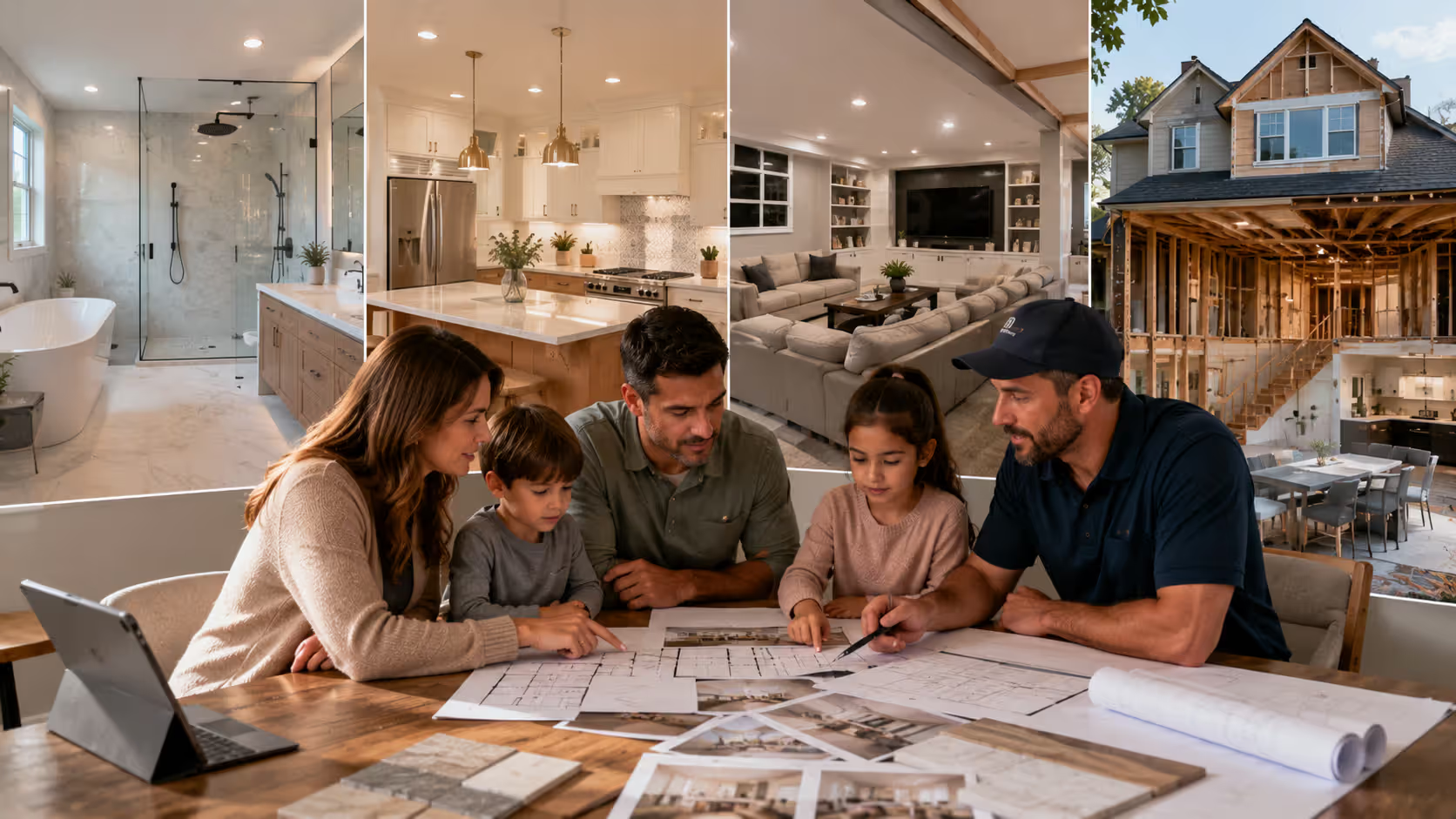
A single-room refresh—like updating a bathroom or bedroom—typically runs 2 to 4 weeks. Kitchen remodels stretch longer, usually 6 to 12 weeks depending on whether you're just swapping cabinets or reconfiguring the entire layout. Whole-house renovations can consume 4 to 6 months or more.
The pattern I see most often is homeowners underestimating timelines by about 30%. Delays happen. Materials arrive late. Inspections get rescheduled. Your contractor discovers knob-and-tube wiring that needs replacing.
Here's a realistic breakdown:
| Project Type | Average Duration | Child Safety Complexity | Best Age Groups to Manage |
| Single bathroom remodel | 2–4 weeks | Low to moderate | All ages (with precautions) |
| Kitchen renovation | 6–12 weeks | High | School-age children (6+) |
| Master suite addition | 3–5 months | Moderate | Infants, school-age |
| Basement finishing | 4–8 weeks | Moderate | All ages with proper barriers |
| Whole-house gut renovation | 4–8 months | Very high | Consider temporary relocation |
| Multiple room updates (cosmetic) | 4–8 weeks | Low to moderate | All ages |
Cosmetic updates—paint, flooring, fixtures—move faster than structural changes. When you're moving walls, upgrading electrical systems, or dealing with plumbing, add weeks to your estimate.
The complexity for child safety doesn't always correlate with project duration. A quick bathroom demo creates intense dust and exposed hazards for a short period. A long kitchen remodel disrupts daily routines but can be managed with good containment strategies.
Author: Olivia Hartwel;
Source: johnhranec.com
Planning Your Renovation Around Your Children's Ages
Your child's developmental stage dramatically affects both your renovation strategy and your stress level. What works for a school-age kid won't work for a crawler exploring every corner of your home.
Infants and Crawlers (0–18 months)
Babies under six months offer a narrow advantage: they're not mobile yet. You can keep them in safe spaces while work happens elsewhere. But they're extremely sensitive to air quality, noise, and routine disruption.
Crawlers change everything. Between 6 and 18 months, kids explore by putting everything in their mouths. Construction sites are buffets of choking hazards, toxic materials, and sharp objects.
For this age group, prioritize air quality above all else. Their developing lungs can't handle construction dust, particularly if your home was built before 1978 and might contain lead paint. HEPA air purifiers in the rooms where your baby spends time aren't optional—they're necessary.
Noise is your other major concern. Jackhammering, sawing, and drilling can damage infant hearing and disrupt crucial nap schedules. Schedule the loudest work during times when you can take your baby out of the house.
Toddlers and Preschoolers (18 months–5 years)
This is arguably the toughest age range for home renovations. Toddlers are mobile, curious, fast, and have zero risk assessment skills. They'll beeline for the one paint can you forgot to secure or try to "help" contractors with power tools.
Physical barriers become non-negotiable. Baby gates won't cut it for most renovation zones—you need locked doors or contractor-grade barriers that a determined three-year-old can't breach.
The good news? Toddlers and preschoolers can understand simple safety rules if you repeat them constantly. "We don't go past the gate." "Those are worker tools, not toys." Consistency matters more than complexity.
Routine disruption hits this age group hard. A toddler who can't nap because of construction noise becomes everyone's problem. If your renovation will affect bedrooms or main living areas, plan around sleep schedules or prepare for some rough weeks.
School-Age Children (6+ years)
Kids six and up are significantly easier to manage during renovations. They understand rules, can be taught to recognize hazards, and spend large chunks of the day at school.
You can involve school-age children in age-appropriate ways. They can help pick paint colors, understand why certain areas are off-limits, and even learn about construction processes. This involvement reduces anxiety about the changes happening to their home.
But don't assume they'll consistently follow safety rules. Even a responsible ten-year-old might get curious about power tools or forget that the back staircase is temporarily unsafe. Supervision and physical barriers still matter.
The biggest challenge with school-age kids is maintaining homework and study spaces during renovations. If you're remodeling their bedroom or your main living area, set up a temporary workspace that stays consistent throughout the project.
Setting Up Safe Zones Away from Construction Areas
Author: Olivia Hartwel;
Source: johnhranec.com
Creating truly separate spaces for your kids and your contractors is the foundation of renovation safety. Half-measures don't work here.
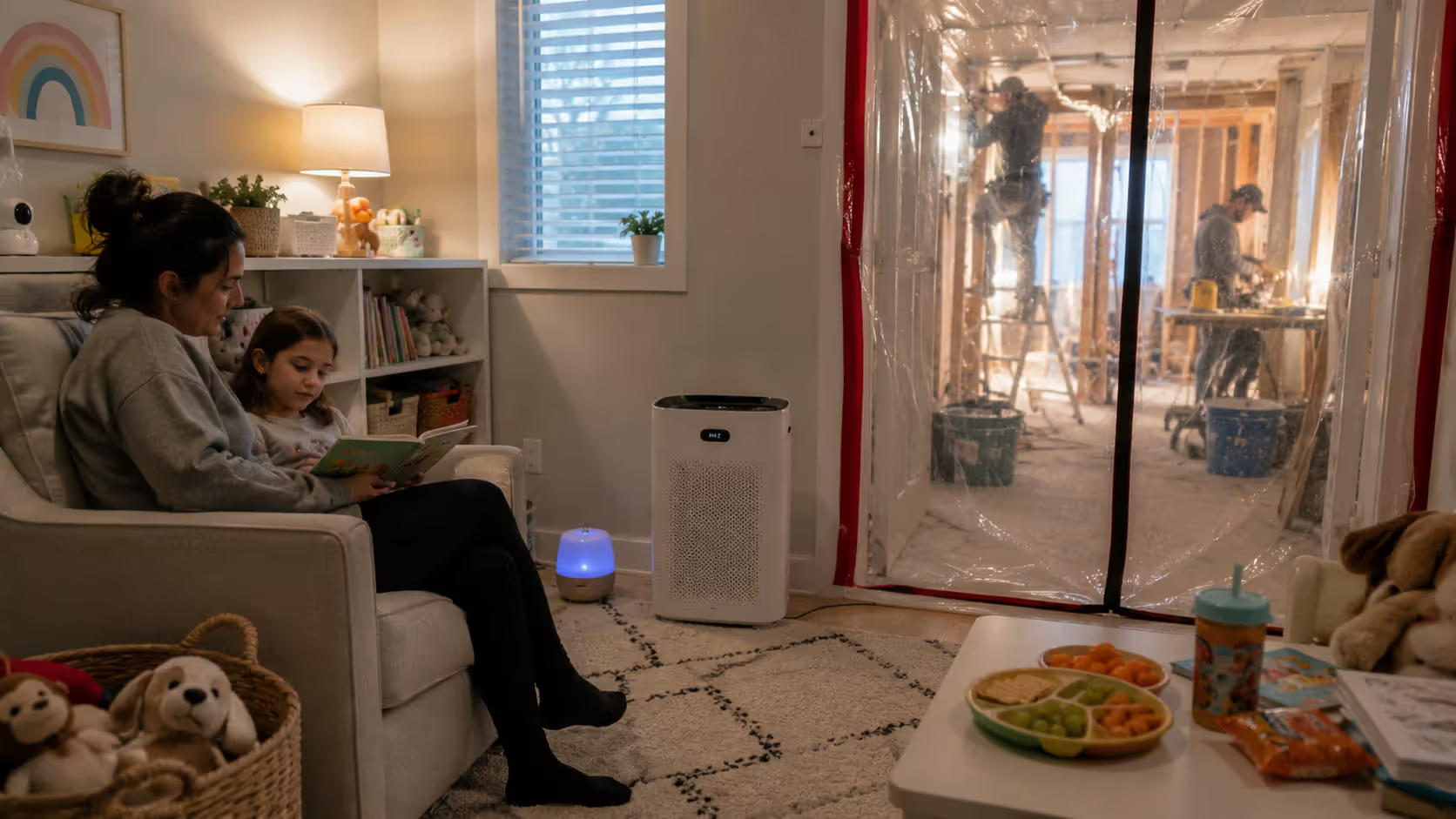
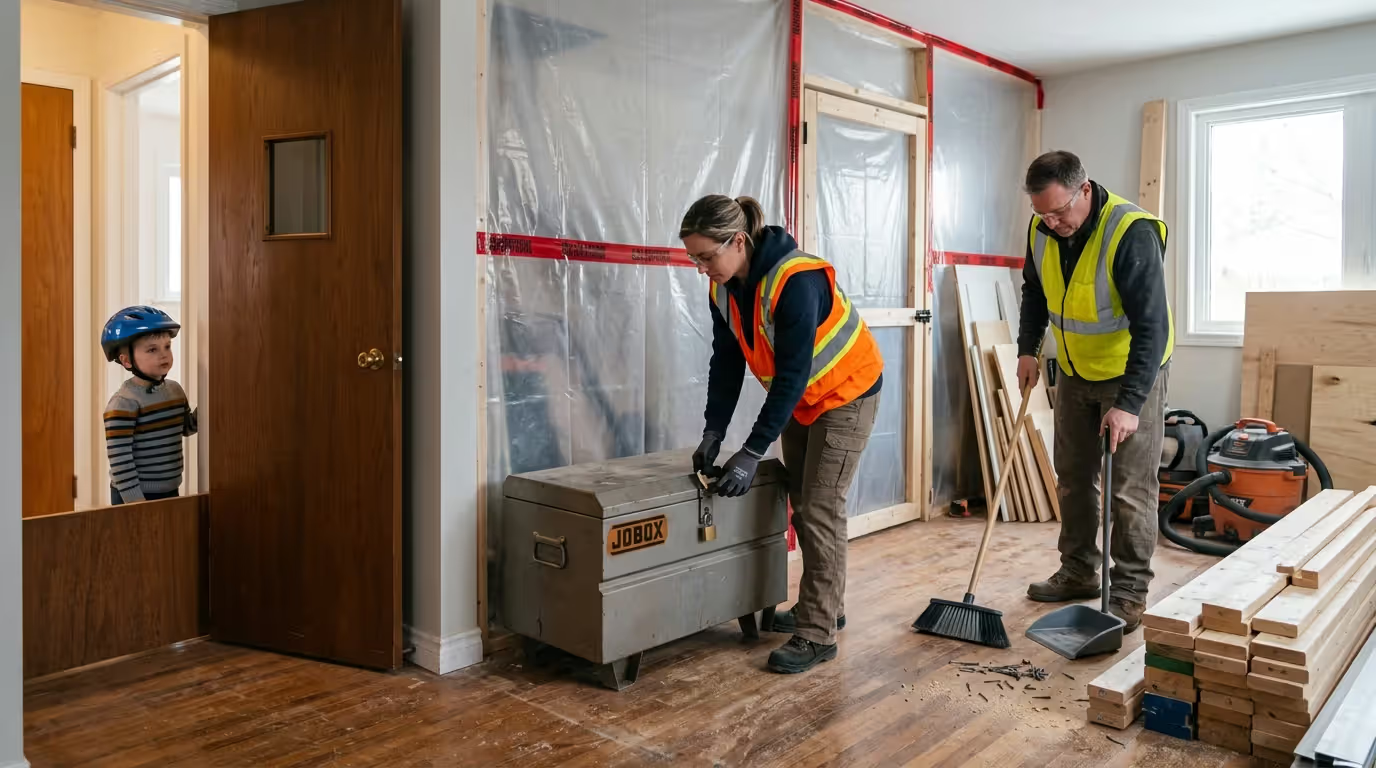
Start with physical barriers that actually contain dust and noise. Plastic sheeting zip-walled across doorways is standard, but it's not enough if you have young children. You need solid barriers—closed and locked doors whenever possible, contractor-grade temporary walls for open-concept spaces.
Designate one room as your kid-safe headquarters. This room should be as far from construction as possible and equipped with everything your family needs: toys, books, snacks, entertainment. If you're doing a major renovation, this room gets an upgrade: HEPA air purifier, white noise machine to mask construction sounds, and supplies to minimize trips through construction zones.
Air quality deserves special attention. Construction dust travels farther than you think. Even with good containment, fine particles circulate through HVAC systems and settle in unexpected places. Close vents in your safe zone and use door sweeps to seal gaps. Run air purifiers continuously, not just when work is happening.
Outdoor safe zones work well when weather permits. A fenced backyard becomes valuable real estate during a renovation. Set up a play area that keeps kids entertained and away from construction entry points.
Communicate with your contractors about which areas are absolutely off-limits for tools and materials. A circular saw left "just for a minute" in a hallway is a disaster waiting to happen. Contractors should have dedicated staging areas that children can't access.
The simpler option usually wins here: if you can completely separate living space from construction space, do it. Renovate one floor while living on another. Remodel the back of the house while keeping kids in front rooms. When separation isn't possible, your safety measures need to be twice as strict.
Daily Safety Measures During Active Construction
Every day of active construction brings specific hazards that shift as the project progresses. Your safety routine needs to adapt continuously.
Start each work day with a walk-through before your kids are up and about. What changed overnight? Are there new hazards? Did contractors leave tools out? Is there fresh dust that needs cleaning?
Tool and material security is your daily non-negotiable. Contractors should lock up tools at the end of each day, but don't rely on this. Do your own check. Power tools, hand tools, nails, screws, solvents, adhesives—all of it needs to be secured or removed from areas your children can reach.
Dust control requires constant attention. Wet-wipe surfaces in your living areas daily. Construction dust isn't just dirt—it can contain silica, lead (in older homes), asbestos, and other respiratory hazards. Kids playing on floors pick up dust on their hands, which goes straight into their mouths.
Lead paint is a specific concern in homes built before 1978. If your renovation involves sanding, scraping, or demolishing painted surfaces, get a lead test first. If lead is present, EPA-certified lead-safe practices aren't optional. Children under six are especially vulnerable to lead poisoning, which causes irreversible developmental damage.
The most overlooked hazard when children are present during renovations is actually the small stuff—literally. Parents focus on power tools and open walls, which is smart, but they miss the nails, screws, wire fragments, and insulation bits that scatter everywhere during construction. A toddler can choke on a drywall screw in seconds. Every single day, someone needs to sweep and vacuum transition areas between construction and living spaces.
— Martinez Sarah
Electrical hazards escalate during renovations. Exposed wiring, temporary power setups, and outlets without covers create electrocution risks. If your electrician is working, keep kids completely out of the area—not just away from the immediate work zone, but out of any room where circuits might be live and exposed.
Communication with contractors about your children's presence and schedules matters more than most homeowners realize. Your contractor should know your kids' nap times, when they're home from school, and which areas they might access. Good contractors will adjust their work accordingly—scheduling loud demo when kids are out, securing hazards before children get home.
Create a daily handoff routine. Before contractors leave, walk the site together. What needs to be secured? Are there any new hazards? What's the plan for tomorrow? This five-minute conversation prevents most accidents.
Should You Move Out During Major Renovations?
This is the question that divides families. Some parents wouldn't consider staying. Others can't imagine the expense and hassle of relocating.
The decision factors are pretty straightforward, but weighing them requires honest assessment of your situation.
Project scope matters most. A bathroom remodel? You can probably stay. A whole-house gut job that involves asbestos abatement? You should go. Kitchen renovations fall somewhere in the middle—manageable for some families, intolerable for others.
Your children's ages tip the scale significantly. Staying with an infant or toddler during major construction is genuinely difficult. School-age kids handle it better, especially if they can escape to school during noisy work hours.
Author: Olivia Hartwel;
Source: johnhranec.com
Here's a decision framework:
| Factor | Stay in Home | Temporary Relocation |
| Project duration | Under 6 weeks | Over 3 months |
| Child age | School-age (6+) | Infants, toddlers, children with respiratory issues |
| Scope | Single room, cosmetic updates | Whole-house, structural, lead/asbestos present |
| Budget impact | Minimal additional cost | Can add 10–20% to project budget |
| Disruption level | Can maintain routines | Routines impossible to maintain |
| Air quality concerns | Dust can be contained | Extensive demo, poor ventilation |
Budget plays a real role here. Temporary housing—whether a rental, extended-stay hotel, or staying with family—adds cost. But so does the stress of managing kids in a construction zone. Some families find that relocating actually saves money because the project finishes faster when contractors have full access.
The middle-ground option is partial relocation. Move out for the most disruptive phases—demo and rough construction—then return for finishing work. This minimizes both expense and exposure to the worst hazards.
If you have family nearby who can host you, that's often the best solution for major projects. Free housing plus built-in childcare while you manage contractor communications.
One mistake I see often: parents decide to stay based on how they think they'll handle it, not on actual safety requirements. If your renovation involves lead paint, asbestos, or extensive dust generation, this isn't about toughness or convenience. It's about protecting your children's health. Relocate.
Managing Routines and Minimizing Disruption
Even if you're staying in your home during renovations, you can protect some normalcy for your kids. It just takes deliberate planning.
Sleep schedules are the first domino. If those fall, everything else gets harder. Talk to your contractor about scheduling loud work during school hours or times when your kids can be out of the house. Most contractors are willing to adjust—they'd rather work in peace too.
If noise is unavoidable during nap or bedtime, consider temporary room swaps. Move your toddler's crib to the quietest room in the house, even if it's not their usual bedroom. White noise machines help, but they can't overcome jackhammering in the next room.
Kitchen renovations create the biggest routine disruptions. You can't maintain normal meal patterns without a functioning kitchen. Set up a temporary kitchen in another room: microwave, electric kettle, cooler, paper plates. It's not ideal, but it works.
Meal planning becomes critical. Prep what you can before the renovation starts and freeze it. Stock up on easy, no-cook foods. Budget for more takeout than usual—this isn't the time to be a hero about home cooking.
Homework and study spaces need protection. If your school-age child's bedroom is being renovated, create a consistent temporary workspace. Same spot every day. Kids adapt better to change when some elements stay constant.
Coordinate contractor hours around your family's rhythm. If your toddler naps from 1 to 3 PM, that's when the quiet work happens—painting, installing fixtures, cleanup. Save the demo and power tool work for other hours.
Weekend work is a double-edged sword. It speeds up the project, but it eliminates your family's recovery time. If contractors work weekends, plan outings—parks, museums, friends' houses. Don't spend renovation weekends at home if you can avoid it.
Maintain some family rituals even during chaos. If Friday is movie night, keep it. If you read together before bed, protect that time. These anchors help kids feel secure when everything else is changing.
Be realistic about behavior and stress. Your kids will act out more during renovations. They're dealing with noise, disruption, strangers in their home, and their parents' stress. Lower your expectations and increase your patience.
FAQ: Child Safety and Home Remodeling Questions Answered
Remodeling your home with children present isn't impossible, but it demands more planning, stricter safety protocols, and realistic expectations about disruption. The timeline for your project will stretch longer than you hope—factor that into your decisions from the start.
Your children's safety depends on multiple layers of protection: physical barriers, daily hazard checks, air quality management, and clear communication with contractors. Don't rely on any single measure. The families who navigate renovations successfully use redundant safety systems.
Age-appropriate planning makes the difference between a manageable renovation and a disaster. What works for a school-age child won't work for a crawler. Adjust your strategy to match your children's developmental stages and your project's specific hazards.
The decision to stay or relocate isn't about toughness—it's about honestly assessing your project's scope, your children's needs, and your family's capacity for disruption. Some renovations are genuinely unsafe for young children to be present. When that's the case, temporary relocation protects both your children's health and your sanity.
Your home will be better when the dust settles. Your kids will adapt. And you'll have survived a major life project with everyone intact. That's the goal.