
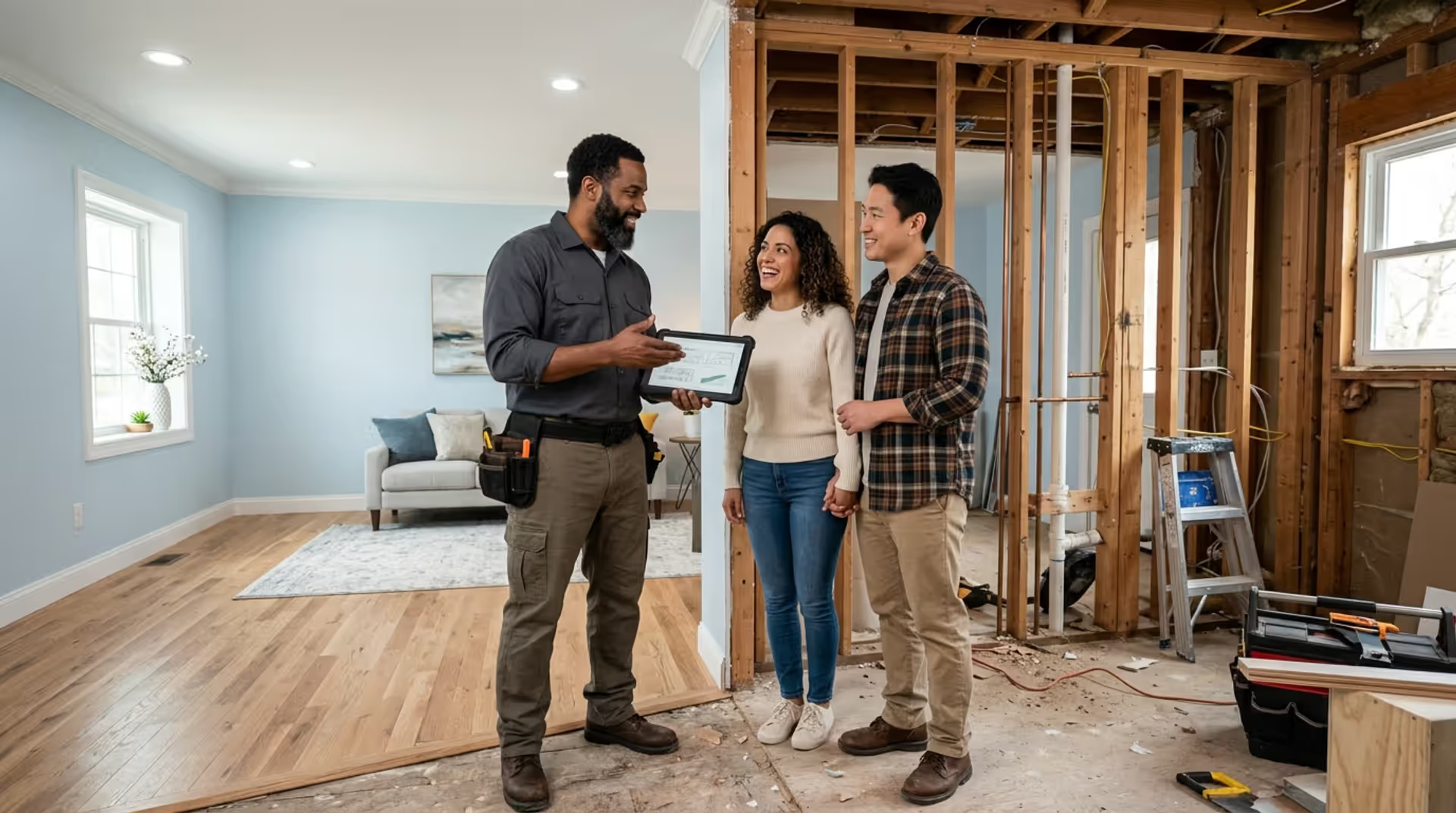
Renovation or Remodel? Know the Difference
Renovation vs Remodeling Guide

Content
Your kitchen cabinets are falling apart. The bathroom faucet drips constantly. You've started browsing home improvement websites, and suddenly everyone's using two different words: renovation and remodeling. You might think they mean the same thing. They don't. Getting this wrong will mess up your budget, stretch your timeline, confuse permit applications, and leave you hiring the wrong professionals. The difference between these two approaches determines whether you'll spend $15,000 or $75,000, whether you need an architect, and how long contractors will be tramping through your house. Let me break down exactly what separates these projects.
What Is a Renovation vs Remodel?
Renovation brings something back to good condition. Remodeling changes what that thing actually is.
When you renovate, the room keeps its original purpose and layout. You're updating what's already there—slapping on fresh paint, ripping out old carpet for new flooring, swapping outdated light fixtures for modern ones, fixing broken elements. The space looks better and works better, but a kitchen remains a kitchen, positioned exactly where it's always been.
Remodeling means you're messing with the structure itself. Walls come down. Plumbing lines move to different locations. That spare bedroom becomes your home office. The attached garage transforms into a guest suite. You're redesigning the fundamental nature of the space.
Here's what I've noticed working with hundreds of homeowners: they budget for a straightforward renovation, then halfway through they spot possibilities for layout improvements. Suddenly they want to move that wall "just a little bit." That's when costs explode and timelines double.
| Criteria | Renovation | Remodeling |
| Definition | Updating or repairing what exists without altering the original layout or function | Changing how a space is configured, what it's used for, or its structural makeup |
| Scope | Cosmetic improvements, fixture swaps, repairs that don't involve structural changes | Structural alterations, layout redesign, converting spaces to new purposes |
| Cost Range | $5,000–$75,000 for standard projects | $25,000–$150,000+ depending on extent |
| Examples | New paint, replacement flooring, cabinet refacing, updated fixtures, new countertops | Removing walls, adding square footage, relocating plumbing, reconfiguring floor plans |
| Permits Typically Required | Often none, though electrical and plumbing work may need permits depending on local rules | Almost always required for structural, electrical, and plumbing changes |
| Impact on Home Value | Decent returns; maintains or slightly increases property value | Higher return potential; can significantly increase value and functionality |
Real examples make this clearer. Bathroom renovation: you install a new vanity, lay down different tile, put in a better toilet and shower fixtures, paint the walls a different color. It's still the same bathroom in the same spot with plumbing in the same places.
Bathroom remodel: you steal space from the hallway closet to expand the bathroom, relocate the shower to a different wall, install radiant floor heating, convert the old tub area into a walk-in shower with frameless glass. You've changed what the space is.
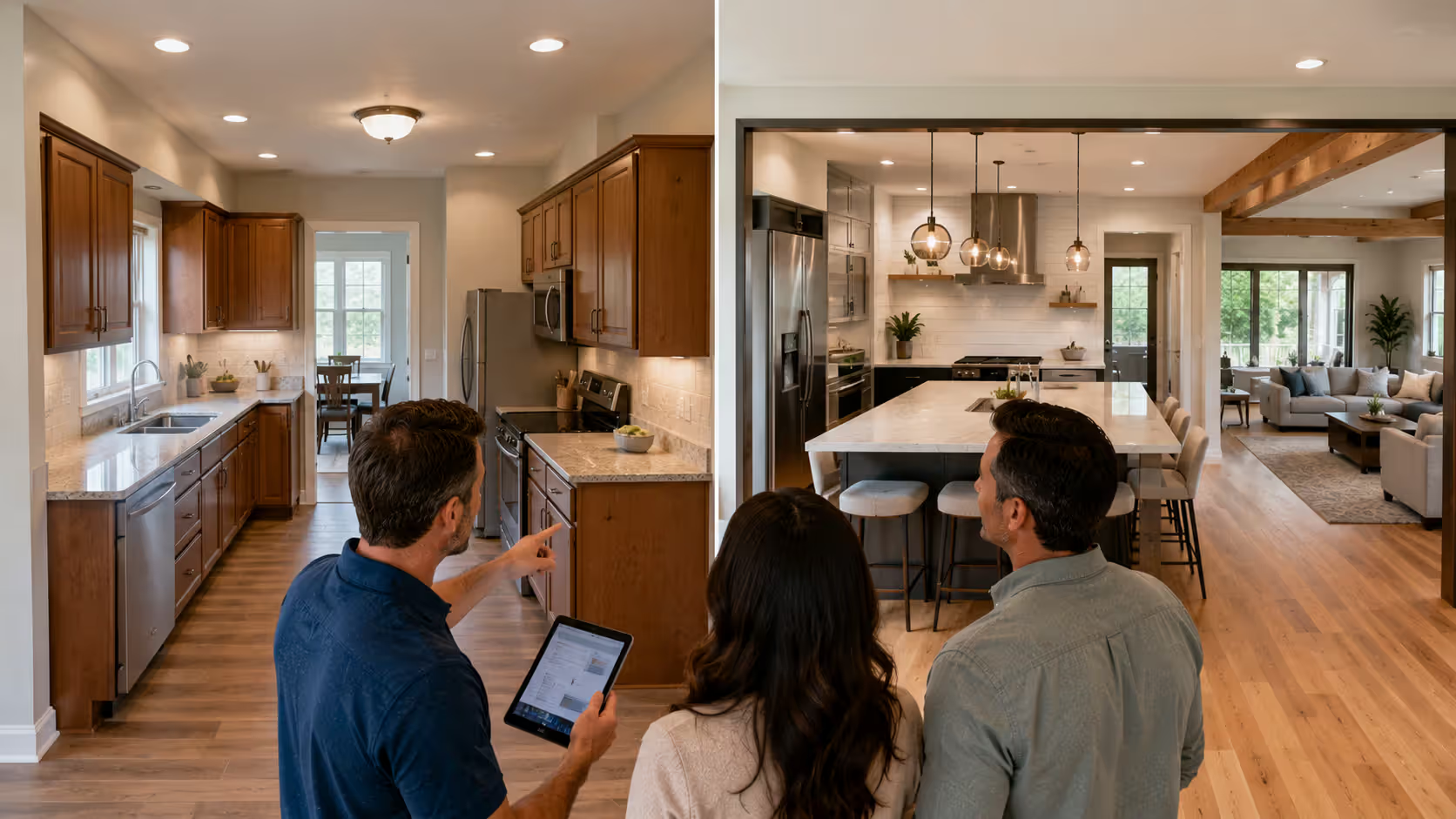
Kitchen renovation means new cabinets, fresh countertops, a tile backsplash, updated appliances, better lighting. Kitchen remodel means demolishing the wall between kitchen and dining room for an open concept, moving the sink from the wall to a new island, converting a bedroom closet into a walk-in pantry.
The price gap reflects this reality. Renovations usually cost 30–50% less than remodels because you're not paying structural engineers, major permit fees, or the labor to rebuild framing and reroute utilities.
Author: Caleb Norton;
Source: johnhranec.com
What Counts as a Renovation?
Homeowners constantly get confused about where the line falls.
Here's my rule: if you're working inside the existing structure without changing what the room does, you're renovating. Replacing stuff, refreshing surfaces, repairing damage—that's renovation work.
Painting walls? Renovation. Putting down new flooring over the existing subfloor? Renovation. Switching out light fixtures, cabinet pulls, or a toilet? Renovation. Upgrading windows with energy-efficient versions that fit the current openings? Still renovation.
But watch the gray areas. Replace a window and enlarge the opening—now you're remodeling because you're changing structure. Refinish your existing hardwood floors? Renovation. Rip out carpet and install brand-new hardwood where none existed? Still renovation, unless you're also leveling the subfloor or reinforcing joists, which pushes into remodel territory.
People get confused about several things. They assume any expensive project automatically counts as remodeling. Wrong. You can drop $40,000 renovating a kitchen with premium materials while keeping the exact same layout. They also assume renovations never need permits. Also wrong. Even pure renovation work often requires permits for electrical or plumbing updates, depending on your city's codes.
Another confusing zone: built-in furniture and cabinetry. Installing new pre-made cabinets in the locations where old cabinets sat? Renovation. Building custom built-ins that require framing new walls or adding structural support? That's remodeling.
The easiest test: ask whether you're changing where things are located or what the room is used for. No to both? You're renovating.
Types of Home Renovation Projects
Renovations come in different intensities. Knowing which category you're dealing with helps you plan scope and budget accurately.
Light Renovation vs Full Renovation
The gap between light and full renovations is massive.
Light renovations touch only surfaces. You're updating how things look without replacing major components or touching building systems. Maybe paint, new cabinet hardware, updated light fixtures, a tile backsplash. Timeline: one to four weeks. Budget: $5,000–$20,000 per room. Disruption stays minimal. You can often keep using the space while work happens.
Full renovations go much deeper. You're replacing most or all elements—flooring, fixtures, cabinetry, countertops, lighting, sometimes windows too. You might upgrade electrical or plumbing to meet current code. Timeline: six to twelve weeks per room. Budget: $25,000–$75,000 and up. The space becomes completely unusable during construction.
| Factor | Light Renovation | Full Renovation |
| Timeline | 1–4 weeks | 6–12 weeks |
| Budget | $5,000–$20,000 | $25,000–$75,000+ |
| Disruption Level | Low; room stays somewhat functional | High; space becomes a construction zone |
| Examples | Paint refresh, hardware updates, new backsplash, lighting upgrades | Complete cabinet replacement, new countertops, total flooring replacement, all-new fixtures and appliances |
| Best For Whom | Budget-conscious owners, pre-sale improvements, renters with permission | Long-term homeowners (5+ years), people fixing serious functional issues, anyone wanting major upgrades |
The biggest mistake? Starting with a light renovation budget while expecting full renovation results. You cannot gut a kitchen for $15,000. You can make it look considerably better, but you won't replace everything.

Author: Caleb Norton;
Source: johnhranec.com
Home Renovation Project Categories
Renovations split into four main categories. Each has different cost structures and complexity.
Cosmetic renovations focus purely on appearance. Paint, wallpaper, flooring, window treatments, hardware, light fixtures. Zero structural work. No building systems. Just making things look better. These deliver the strongest bang-for-buck when you're preparing to sell, but the least functional improvement.
Structural renovations fix the bones without changing layout. Foundation repairs, roof replacement, new siding, window and door replacements in existing openings, deck reconstruction. These are usually necessary rather than optional. They protect your investment but rarely create visual drama.
Mechanical renovations upgrade systems: HVAC, electrical panels, plumbing, insulation. Unglamorous but essential. A new furnace won't get likes on Instagram, but it keeps you comfortable and can slash utility bills by 30–40%. These frequently get skipped in favor of prettier projects.
Exterior renovations handle everything outside: landscaping, driveways, fencing, outdoor living spaces, exterior painting. They dramatically improve curb appeal. First impressions matter—research shows exterior condition affects perceived home value by 5–10% even when interiors are identical.
The most successful renovation projects combine categories. A bathroom renovation might include cosmetic updates (new tile, paint), mechanical work (updated plumbing fixtures, better ventilation fan), and structural elements (fixing water-damaged subfloor).
Scope of Home Renovation Explained
Properly defining your project scope separates smooth renovations from absolute nightmares. Scope determines cost, timeline, which contractors you need, and your stress level.
Start by identifying your actual goals. Are you fixing broken things? Updating outdated style? Improving how the space functions? Preparing to list the house? Your why determines your what. If you're selling within twelve months, focus on cosmetic updates with strong ROI—kitchens, bathrooms, curb appeal. Staying long-term? Prioritize function and systems over trendy finishes.
Next, evaluate what you already have. What's working fine? What's broken? What looks dated but still functions? This prevents unnecessary over-renovation. That 15-year-old HVAC system might look old, but if it runs efficiently, replacement isn't urgent.
Establish firm boundaries. Which rooms get touched? Which elements within those rooms? Are you addressing walls, floors, ceilings—or just some? Will you update electrical and plumbing, or work around existing locations? Tighter boundaries mean more predictable budgets.
Factors that balloon scope (and budget):
- Home age. Older houses hide problems. You open a wall and discover knob-and-tube wiring, asbestos, or structural damage requiring immediate attention.
- Code compliance. Renovation work often triggers requirements to bring other elements up to current code, even parts you weren't planning to touch.
- Discovery issues. You won't know what's behind walls until you open them. Budget 10–20% contingency for surprises.
- Feature creep. "While we're at it" is renovation's most expensive phrase. Decide what's in scope before starting, then stick to it.
Here's something counterintuitive: smaller scopes aren't always cheaper per square foot. Renovating one bathroom might cost $25,000. Renovating two simultaneously might cost $40,000, not $50,000, because you're sharing setup costs, material waste drops, and contractors often discount multi-room projects.
Document everything in writing. Create a scope statement listing exactly what's included and explicitly what's excluded. This protects you when contractors provide estimates and prevents mid-project misunderstandings.
What Order to Complete Home Renovations
Sequencing matters enormously. Get the order wrong and you'll damage new work, waste money, or create impossible logistics.
The golden rule: work from top to bottom, inside to outside, rough to finish.
When renovating multiple areas, handle structural and mechanical work before cosmetic updates. Here's the logical sequence:
Phase 1: Structural and systems Fix foundation issues, roof problems, major plumbing or electrical updates first. These are the bones. Everything else depends on them being sound. If your roof leaks, fixing it before renovating the kitchen below prevents you from destroying new cabinets.
Phase 2: Rough work Framing changes (if any), running new electrical or plumbing lines, HVAC ductwork, insulation. This creates mess and dust. Finish it before installing anything attractive.
Phase 3: Walls and ceilings Drywall installation or repair, texturing, priming, painting. Walls and ceilings come before flooring because you'll inevitably drip, drop, and damage floors during this phase.
Phase 4: Major installations Cabinets, countertops, built-ins, tile work. These are semi-permanent elements. They go in before final flooring (except tile floors, which often go in before cabinets).
Phase 5: Flooring Hardwood, laminate, vinyl, carpet. Flooring is easier to protect than repair, so it comes late. Exception: tile floors in bathrooms and kitchens often go in earlier.
Phase 6: Finishing touches Trim, baseboards, door and cabinet hardware, light fixtures, plumbing fixtures, switch plates, final paint touch-ups. These are the details that complete the look.
Room-by-room versus system-by-system? Depends on your situation. Living in the home during work? Room-by-room makes sense—you complete one space entirely before disrupting another. House vacant or doing major work? System-by-system is more efficient. Hire an electrician once to update the whole house rather than calling them back for each room.
Common mistakes:
- Installing expensive flooring early, then damaging it with subsequent work
- Painting before running new electrical, then having to patch and repaint
- Replacing windows before siding, creating fit and flashing issues
- Doing cosmetic updates before addressing moisture or structural problems that will just cause damage again
One room-by-room exception: kitchens and bathrooms. These are high-impact spaces. If you can only afford one renovation, start here. They deliver the strongest return on investment and the most noticeable improvement in daily life.
Author: Caleb Norton;
Source: johnhranec.com
Renovation Planning Guide for Beginners
Planning determines success more than any other factor. Rush into renovation and you'll overspend, get frustrated, and probably end up with results you regret.
Step 1: Define your vision and goals What should the space look like and how should it function? Collect inspiration images, but focus on identifying patterns in what appeals to you rather than copying specific rooms. Pinterest helps; blindly recreating someone else's kitchen doesn't.
Step 2: Set a realistic budget Research typical costs for your area and project type. In 2026, expect to pay $150–$300 per square foot for full bathroom renovations, $100–$250 per square foot for kitchens, and $50–$150 per square foot for cosmetic updates in other rooms. These ranges vary widely based on finishes and location.
Add 15–20% contingency for unexpected issues. You'll probably need it. If you don't, congratulations—you have money left over. But most renovations encounter at least one surprise.

Author: Caleb Norton;
Source: johnhranec.com
Step 3: Determine DIY versus professional work Be brutally honest about your skills, available time, and risk tolerance. DIY can save 40–60% on labor costs, but only if you execute quality work. Amateur mistakes often cost double to fix compared to hiring experienced professionals from the start. Generally, DIY cosmetic work (painting, simple fixture replacement) and hire out anything structural, electrical, plumbing, or requiring permits.
Step 4: Get multiple quotes Interview at least three contractors. Verify licenses, insurance, references. Don't automatically choose the lowest bid—it often signals cut corners or surprise charges later. Look for detailed, itemized quotes showing exactly what's included.
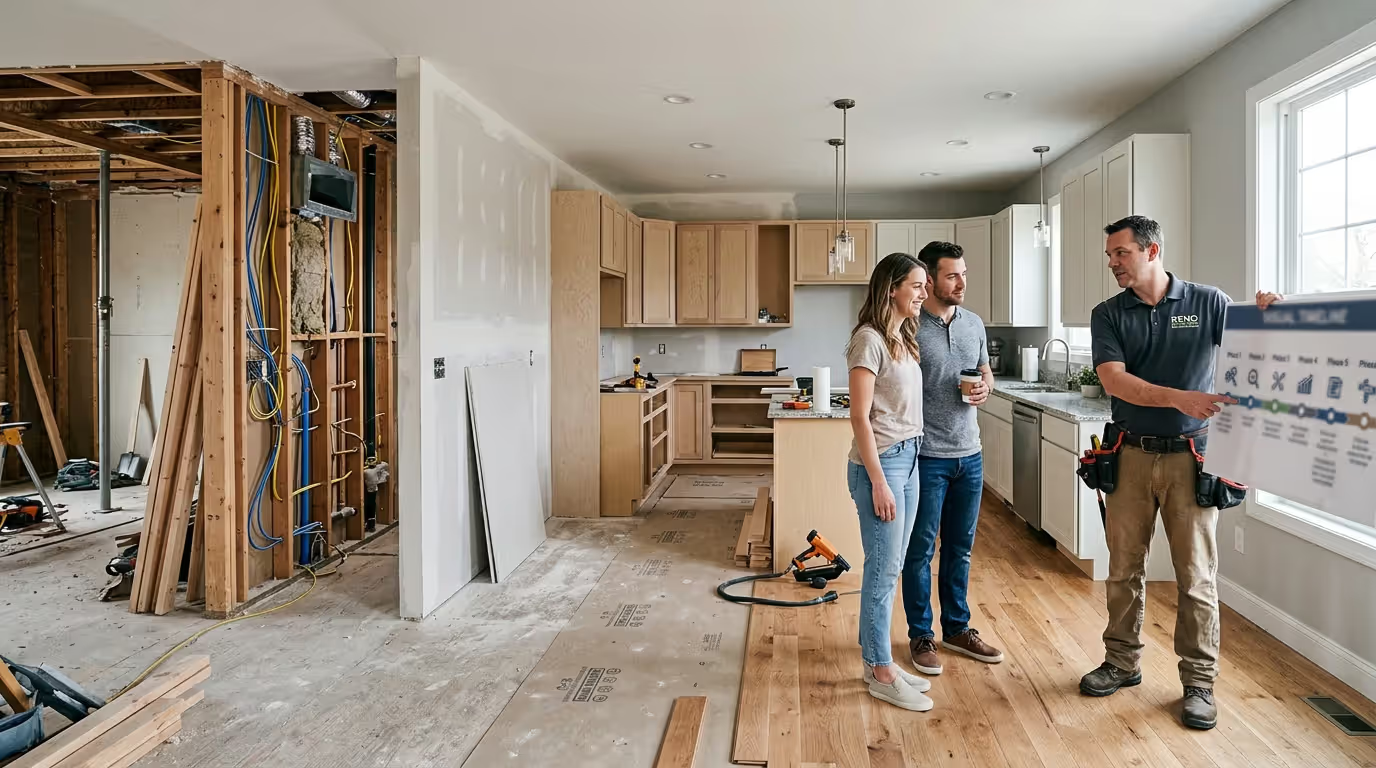
Step 5: Plan the timeline Most single-room renovations take six to twelve weeks from start to finish. Whole-house projects run three to six months. Add buffer time. Delays happen—material backorders, weather, permit delays, discovered issues. If you need the project done by a specific date, start earlier than seems necessary.
Step 6: Prepare for disruption Renovation is messy, noisy, and invasive. Living in the home during work? Set up a temporary kitchen, plan for dust everywhere, and prepare for strangers in your house daily. Many homeowners underestimate the stress. It's temporary, but it's real.
Step 7: Make material selections early Long lead times plague the industry. Custom cabinets can take eight to twelve weeks. Certain tiles, fixtures, or appliances might have six to ten week delivery windows. Order early so materials arrive when needed, not weeks after your contractor is ready to install them.
The biggest mistake I see homeowners make is underestimating both the budget and the timeline. I always tell clients to add 20% to whatever they think it will cost and at least a month to however long they think it will take. Renovation uncovers hidden issues, materials get delayed, and decisions take longer than expected. Planning for those realities upfront saves enormous stress later.
— Mitchell Sarah
Step 8: Document everything Keep a project binder with contracts, permits, receipts, paint colors, product specs, warranty information. Take before photos. This documentation helps if issues arise and provides valuable information for future owners.
Step 9: Communicate clearly and often Set expectations with your contractor about communication frequency. Checking in weekly works well for standard projects. Don't hesitate to ask questions or raise concerns immediately. Small issues caught early are easier to fix than big problems discovered at the end.
Step 10: Plan the final walkthrough Before making final payment, do a detailed walkthrough with your contractor. Test everything. Check for quality issues. Create a punch list of any items needing correction. Most contracts include a final walkthrough and correction period.
Frequently Asked Questions About Renovations and Remodels