
How to Choose a Remodeling Contractor?

Content
Choosing the right remodeling contractor can make or break your renovation. But here's what nobody tells you upfront: picking the contractor is just the beginning. You'll face hundreds of decisions after that, and many homeowners freeze up halfway through. The trick isn't just finding someone skilled with a hammer—it's finding a partner who can guide you through choice overload without losing your mind or your budget.
What to Look for When Hiring a Remodeling Contractor
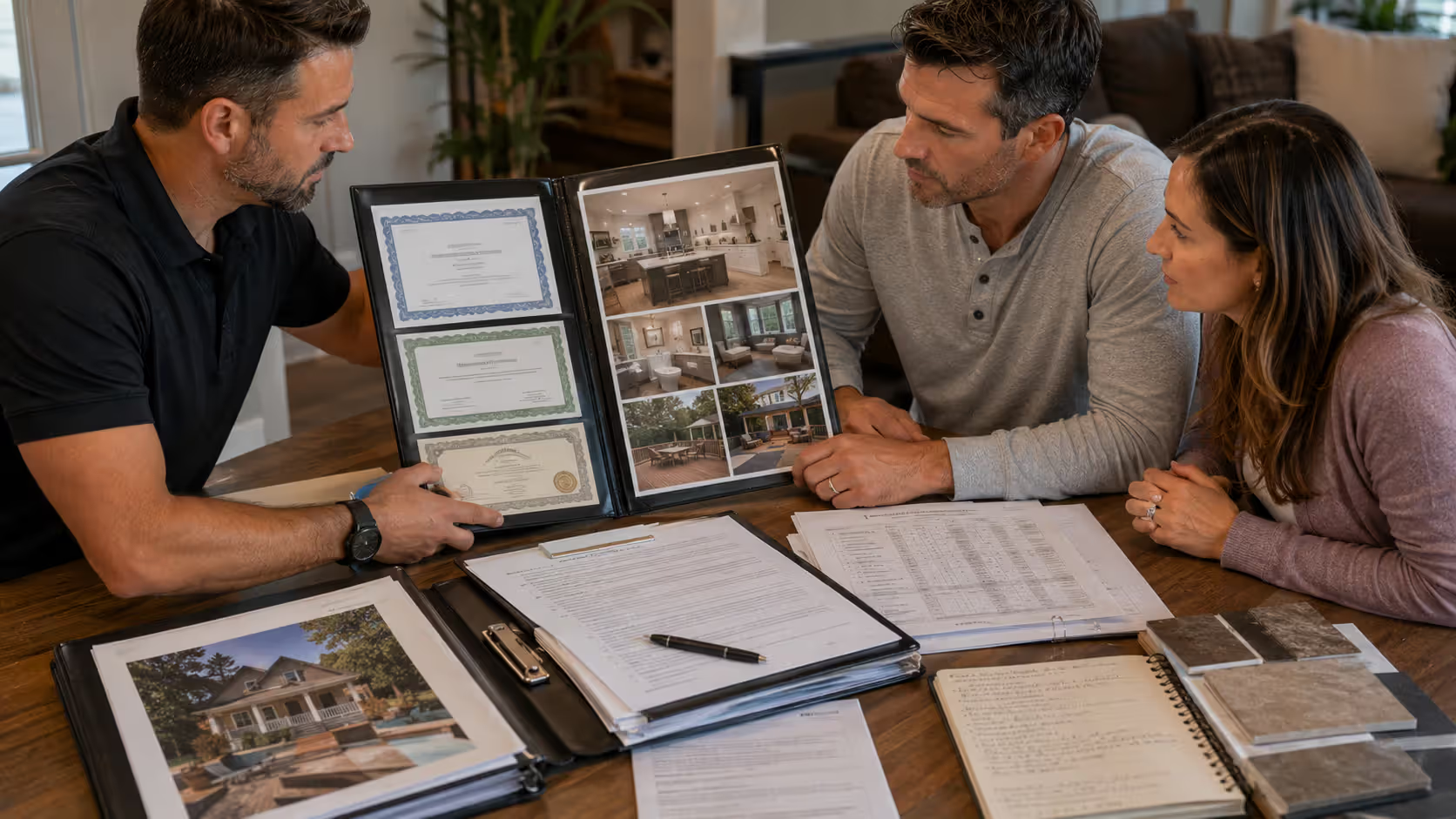
Start with the non-negotiables. Licensing and insurance aren't optional, no matter how much you trust your neighbor's cousin. Every legitimate contractor should carry general liability insurance and workers' compensation coverage. Ask for proof. Not copies—actual certificates with current dates.
Check their license status through your state's contractor licensing board. Most states maintain online databases. Takes five minutes. The pattern I see most often is homeowners skipping this step because the contractor "seems nice" or came recommended. Nice doesn't protect you when something goes wrong.
References matter more than you think. Don't just ask for them—actually call. Ask past clients specific questions: Did the project finish on time? How did the contractor handle unexpected problems? Would you hire them again? If someone hesitates on that last question, dig deeper.
Portfolio review tells you about style compatibility. Look for projects similar to yours in scope and budget. A contractor who specializes in high-end kitchen remodels might not be the right fit for your budget bathroom refresh. And that's okay. Better to know upfront.
Communication style reveals itself in the first few interactions. Do they return calls promptly? Explain things clearly? Listen to your concerns? You'll be talking to this person almost daily for weeks or months. If communication feels off during the courtship phase, it won't improve under deadline pressure.
Contract clarity protects everyone. A good contract spells out scope, timeline, payment schedule, change order process, and warranty terms. It should list specific materials, not vague descriptions like "standard fixtures." If your contractor pushes back on a detailed contract, that's your exit cue.
Watch how they handle your questions during the estimate phase. A quality contractor will ask about your goals, budget constraints, and lifestyle needs before throwing out numbers. They'll point out potential issues with your plans. They might even talk you out of expensive choices that won't add value.
Author: Olivia Hartwel;
Source: johnhranec.com
How Decision Fatigue Affects Your Renovation Project
Decision fatigue is real, and renovations are designed to trigger it. You'll choose cabinet colors, hardware finishes, tile patterns, grout colors, paint sheens, light fixtures, and about 200 other things. Each choice feels important because it is—but that weight accumulates.
Signs of overwhelm show up predictably. You start avoiding your contractor's calls. You can't decide between two nearly identical white paint samples. You defer to whatever your partner suggests, even when you have opinions. You feel anxious thinking about the project instead of excited.
The impact hits timeline first. When you can't decide on tile, the installer sits idle. That delays plumbing. Which pushes back drywall. One delayed decision creates a domino effect that can add weeks to your project. And time equals money in construction.
Budget suffers too. Decision fatigue makes you vulnerable to impulse choices and expensive upgrades you don't really want. You might say yes to pricey upgrades just to end the conversation. Or you'll cheap out on something important because you're too exhausted to evaluate options properly.
Here's what happens in a typical scenario: Week one, you're energized and researching every detail. Week four, you're still enthusiastic but feeling the pressure. Week eight, you're picking bathroom tile at 11 PM and everything looks the same. Week twelve, you tell your contractor to "just choose something" because you can't look at another sample.

Author: Olivia Hartwel;
Source: johnhranec.com
Breaking Down the Renovation Selection Process
A structured approach saves your sanity. The key is sequencing decisions so you're not drowning in choices all at once. Some decisions must happen early because they affect everything downstream. Others can wait.
Prioritizing Structural vs. Aesthetic Decisions
Structural choices come first. Always. This includes layout changes, window placement, electrical panel upgrades, plumbing relocations, and HVAC modifications. These decisions affect your permit applications, engineering requirements, and overall budget.
Lock these down before you think about paint colors. Seriously. I've watched homeowners spend weeks agonizing over backsplash tile while their layout remained undefined. Then the layout changed and half their finish selections no longer worked.
Aesthetic decisions follow a logical order too. Start with the largest, most permanent elements and work toward smaller details. Flooring before furniture. Cabinetry before hardware. Wall color before artwork. Each choice narrows your options for the next, which actually helps reduce overwhelm.
The mistake most people make? They browse Pinterest and fall in love with specific finishes before understanding their structural constraints. Then they discover that dream tile won't work with their actual layout, budget, or timeline.

Author: Olivia Hartwel;
Source: johnhranec.com
Creating a Decision Timeline That Works
Your contractor should provide a decision schedule. This document lists every selection you need to make and the deadline for each choice. It accounts for lead times—some materials take 12 weeks to arrive, others ship next day.
Build in buffer time. If tile needs to be ordered by March 1st for installation on April 15th, set your personal deadline for February 20th. This gives you breathing room for shipping delays, backorders, or second thoughts.
Batch similar decisions together. Schedule one day to choose all your light fixtures. Another day for plumbing fixtures. Trying to make one decision per day drags out the process and keeps renovation stress constantly simmering.
Set decision limits upfront. You'll look at three flooring options, not seventeen. Your contractor presents five cabinet styles, not the entire catalog. Constraints feel restrictive but they're actually liberating. Fewer choices mean faster, more confident decisions.
Strategies for Narrowing Down Your Renovation Options
Start by establishing your non-negotiables. What three things absolutely must happen in this renovation? Maybe it's a specific layout change, a soaking tub, and hardwood floors. Everything else becomes negotiable when budget or timeline pressures hit.
Use the elimination method aggressively. When looking at tile samples, immediately remove anything you don't love. Don't keep the "maybe" pile. You're choosing between options you're excited about, not settling for something acceptable.
Limit your sample review sessions. Looking at more than five options for any single element rarely improves your final choice—it just prolongs the decision. Research shows that satisfaction decreases when people evaluate too many similar options. The simpler option usually wins here.
Work with your designer or contractor to curate options. Tell them your style preferences, budget constraints, and practical needs. Let them present a pre-selected range that meets your criteria. You're not surrendering control—you're using their expertise to filter out poor fits before you waste time considering them.
Create a decision-making framework. For each choice, evaluate it against three criteria: Does it fit our budget? Does it match our style? Is it practical for our lifestyle? If something fails on two of three, it's out.
Take photos of everything you're considering. Looking at samples in different lighting conditions helps, but photos also let you compare options side-by-side without hauling samples around. Create a shared album with your partner so you can discuss options asynchronously.
Set a timer for research sessions. Give yourself 30 minutes to explore faucet options online, then make a shortlist. Unlimited research time doesn't improve decisions—it just feeds analysis paralysis.

Author: Olivia Hartwel;
Source: johnhranec.com
Common Mistakes Homeowners Make When Choosing Contractors
Hiring based on price alone is the classic blunder. The lowest bid often comes from contractors who underbid to win work, then cut corners or add surprise charges later. Or they're inexperienced and didn't account for actual costs. Either way, you pay more in the end.
Skipping reference checks seems like a time-saver until problems emerge. That's when you discover your contractor has a pattern of abandoning projects or fighting with clients. Ten minutes of phone calls could have revealed this.
Unclear scope creates constant friction. You assumed the contractor would paint the ceiling. They assumed you'd handle it. These mismatched expectations lead to change orders, disputes, and budget overruns. Get everything in writing, even details that seem obvious.
Not reading contracts is surprisingly common. People sign multi-page agreements without understanding payment terms, warranty coverage, or dispute resolution processes. Then they're shocked when the contract doesn't protect them the way they imagined.
Ignoring red flags during the hiring process rarely works out. If a contractor shows up late to meetings, gives vague answers, or pressures you to sign quickly, trust your instincts. Behavior during the sales phase is their best behavior—it only goes downhill from there.
Failing to verify insurance and licensing is gambling with your home and finances. If an uninsured worker gets hurt on your property, you could be liable. If an unlicensed contractor does substandard work, you have limited legal recourse.
Here's a real-world comparison that illustrates the difference:
Homeowner A hired the cheapest bidder without checking references. The contractor started strong but disappeared for weeks at a time. The project took five months instead of two. Final cost exceeded the original bid by 40% due to "unforeseen" issues that any experienced contractor would have anticipated.
Homeowner B paid 15% more for a licensed, insured contractor with excellent references. The project finished on time. When unexpected plumbing issues arose, the contractor absorbed some costs because they'd built appropriate contingency into their bid. Total cost came in 3% under budget.
How to Work With Your Contractor to Simplify Choices
The best client-contractor relationships are built on clear communication and defined decision-making roles from day one. When everyone knows who decides what and when those decisions are needed, projects run smoother and homeowners feel less overwhelmed.
— Martinez Sarah
Leverage your contractor's expertise strategically. They've installed hundreds of kitchens. They know which cabinet manufacturers deliver on time and which ones ship defective products. They understand which trendy finishes will look dated in three years. Ask for their honest opinions, not just options.
Request curated selections rather than open-ended choices. Instead of "show me all your tile options," say "I want a neutral, durable bathroom floor tile under $8 per square foot—show me your top three recommendations." This focuses the conversation and speeds decisions.
Establish decision-making roles clearly. Maybe you handle all aesthetic choices while your partner manages budget and timeline decisions. Or your contractor makes all structural calls within agreed parameters. Whatever the division, document it so everyone knows who has final say on what.
Set boundaries on revisions upfront. Changing your mind is normal, but excessive changes cost time and money. Many contractors include one or two rounds of revisions in their bid, then charge for additional changes. Know these limits and stick to them.
Schedule regular check-ins but not too many. Weekly meetings keep everyone aligned without creating constant interruption. Daily texts about minor details fragment your contractor's attention and slow progress.
Create a decision log that tracks what you've chosen, when you chose it, and any relevant details. This prevents the "wait, what did we decide about the backsplash?" conversations that waste time and create confusion.
Trust the process your contractor recommends. If they want you to choose flooring before cabinet hardware, there's a reason. Their sequence is based on experience with how decisions and timelines interconnect.
Contractor Red Flags vs. Green Flags
| Category | Warning Signs | Positive Indicators |
| Communication | Slow to respond, vague answers, dismisses your concerns, unavailable for questions | Returns calls within 24 hours, explains clearly, listens actively, provides direct contact info |
| Pricing | Significantly lowest bid, reluctant to provide written estimates, vague cost breakdowns, no discussion of payment schedule | Detailed itemized bid, explains cost variations, discusses payment tied to milestones, transparent about markup |
| References | Can't provide recent references, references seem coached, defensive when asked, only offers website testimonials | Provides 3+ recent clients willingly, encourages you to visit completed projects, references speak candidly |
| Contract Terms | Resists detailed contracts, demands large upfront payment, vague scope description, no warranty information | Comprehensive written contract, reasonable deposit (typically 10-30%), specific scope and materials, clear warranty terms |
| Timeline Estimates | Promises unrealistic completion dates, won't commit to schedule in writing, no discussion of potential delays | Realistic timeline with contingencies, written schedule with milestones, explains factors that could cause delays |
FAQ: Choosing Contractors and Managing Renovation Decisions
Choosing a remodeling contractor and managing the avalanche of decisions that follow doesn't have to overwhelm you. The key is structure—both in how you select your contractor and how you approach the hundreds of choices ahead.
Start with the fundamentals: licensed, insured, referenced, and communicative. These aren't exciting criteria, but they separate professionals from problems. Then build a decision framework that sequences choices logically and limits options to prevent paralysis.
Your contractor should be a partner in this process, not just a builder following orders. Use their experience to filter options and guide priorities. But remember that you're the one who'll live with these choices long after they've moved on to the next project.
The renovations that go smoothest aren't the ones where homeowners make perfect decisions—they're the ones where people make timely, informed decisions and then move forward without second-guessing every choice. Done is better than perfect, especially when "perfect" means you're still picking tile samples while your contractor's crew sits idle.
Set your priorities, trust your instincts, and give yourself permission to make good-enough choices on the details that don't matter much. Save your decision-making energy for the elements that will truly impact how you use and enjoy your renovated space. That's how you get through a renovation with your sanity, budget, and timeline intact.