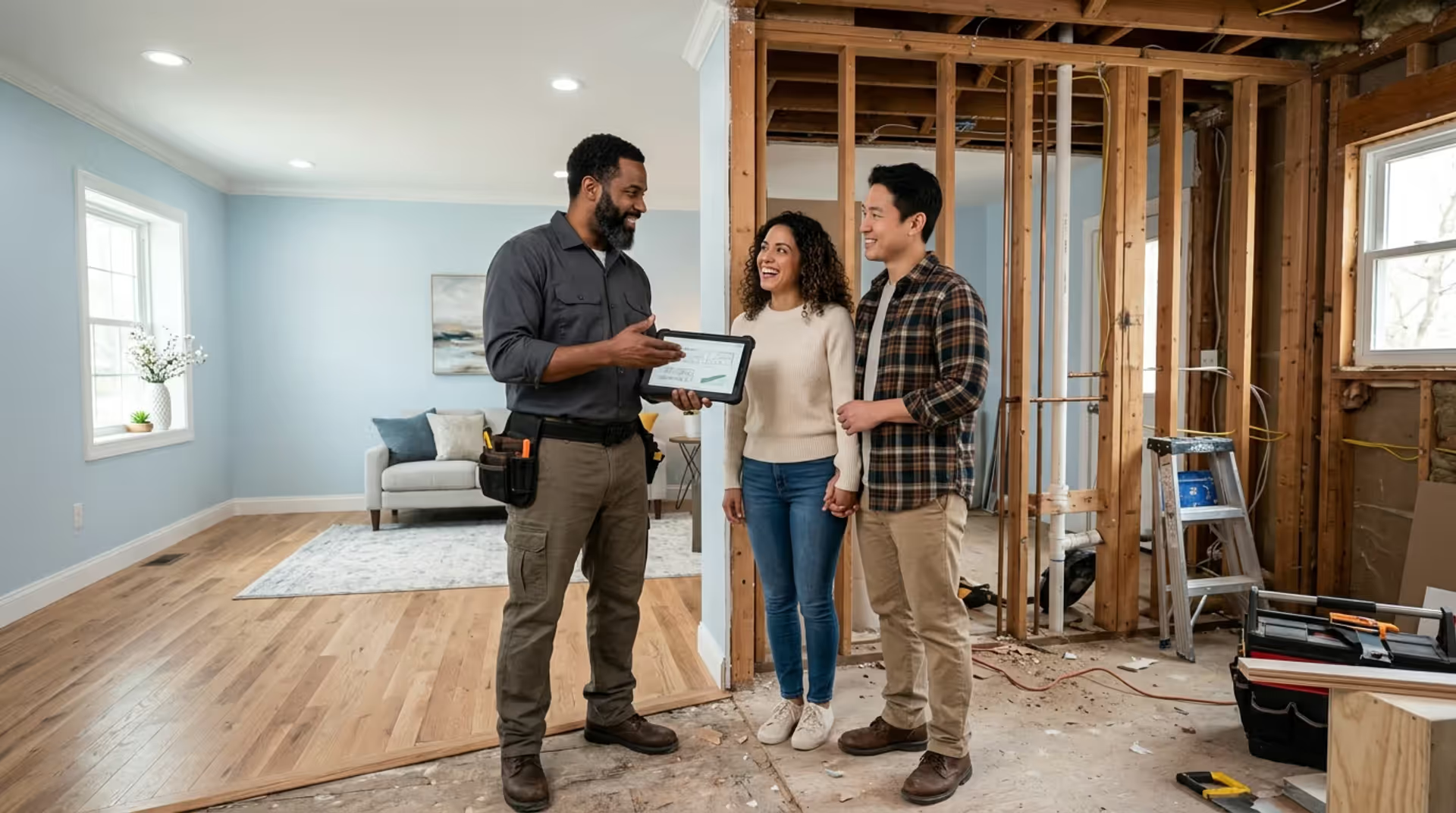

How Long Will Your Bathroom Remodel Take?
How Long Does a Bathroom Remodel Take?

Content
Planning a bathroom remodel? You're probably wondering how long you'll be without your shower or tub. The truth is, it depends on what you're doing. A simple refresh can take just a few days. A full gut job? That's a different story.
Most bathroom remodels take anywhere from two to eight weeks. That's a big range, and for good reason. The size of your bathroom, the scope of work, and whether you're moving plumbing all play a role. So does your contractor's schedule and whether you hit any surprises behind those walls.
Let's break down what you can actually expect.
Typical Bathroom Remodel Timeline by Project Size
Size matters here. A lot.
A small bathroom remodel typically takes 2 to 4 weeks. We're talking about a 5x8 bathroom or smaller—the kind you find in older homes or as a second bath. If you're just swapping fixtures, updating tile, and keeping everything in the same spot, you're looking at the shorter end of that range.
How long does a 5x8 bathroom remodel take specifically? About 3 weeks on average. That's assuming standard finishes, no major plumbing moves, and a contractor who shows up when they say they will.
Medium-sized bathrooms (roughly 50 to 100 square feet) usually take 3 to 5 weeks. You've got more square footage to tile, more walls to paint, and often more fixtures to coordinate.
Full bathroom remodels—the kind where you're gutting everything down to the studs—take 4 to 8 weeks. Sometimes longer if you're dealing with structural changes, custom elements, or permit delays. Moving a toilet or shower? Add time. Want that custom vanity built to fit your awkward alcove? Add more time.
Here's how it breaks down:
| Project Type | Typical Duration | Complexity Level | Common Tasks Included |
| Small/Partial Remodel | 2–4 weeks | Low to Medium | Fixture replacement, new flooring, cosmetic updates, paint |
| Mid-Size Remodel | 3–5 weeks | Medium | Full fixture replacement, tile work, some layout changes, lighting updates |
| Full Bathroom Renovation | 4–8 weeks | High | Complete gut, possible plumbing/electrical relocation, structural changes, custom elements |
The pattern I see most often is homeowners underestimating by about a week. They hear "three weeks" and plan for exactly 21 days. Then something comes up—it always does—and suddenly they're frustrated.

Author: Sophie Langston;
Source: johnhranec.com
What Affects How Long Your Bathroom Renovation Takes
Several factors can speed up or slow down your project. Some you can control. Others you can't.
Permits and inspections are the big one most people forget. If you're moving plumbing or electrical, you'll need permits in most jurisdictions. That means waiting for approval before work starts and scheduling inspections before you can close up walls. This can add one to three weeks to your timeline before a single tile gets laid.
Material availability became a huge issue in recent years, and it's still something to watch in 2026. That specific tile you fell in love with? If it's on backorder, your project stops. Custom vanities can take 6 to 12 weeks to arrive. Order everything early—like, before demolition starts early.
Contractor scheduling matters more than you'd think. A busy contractor might need to juggle your job with others. They're not working in your bathroom 8 hours a day, 5 days a week. They might be there for a few hours, then off to another job, then back the next day. This is normal, but it stretches the calendar.
Structural surprises are almost guaranteed in older homes. Rotten subfloors, outdated wiring that's not up to code, mold behind the shower—these discoveries add time and money. Budget an extra week and a few thousand dollars for the unknown.

Author: Sophie Langston;
Source: johnhranec.com
DIY vs. professional work creates the biggest timeline difference. Professionals work faster because they do this every day. But if you're handling some tasks yourself to save money, expect things to take twice as long. Weekend warriors work on weekends. Professionals work all week.
Custom work always takes longer than standard installations. Stock vanity from the big-box store? Installed in a day. Custom-built vanity with specific dimensions and finishes? That's weeks of lead time plus installation.
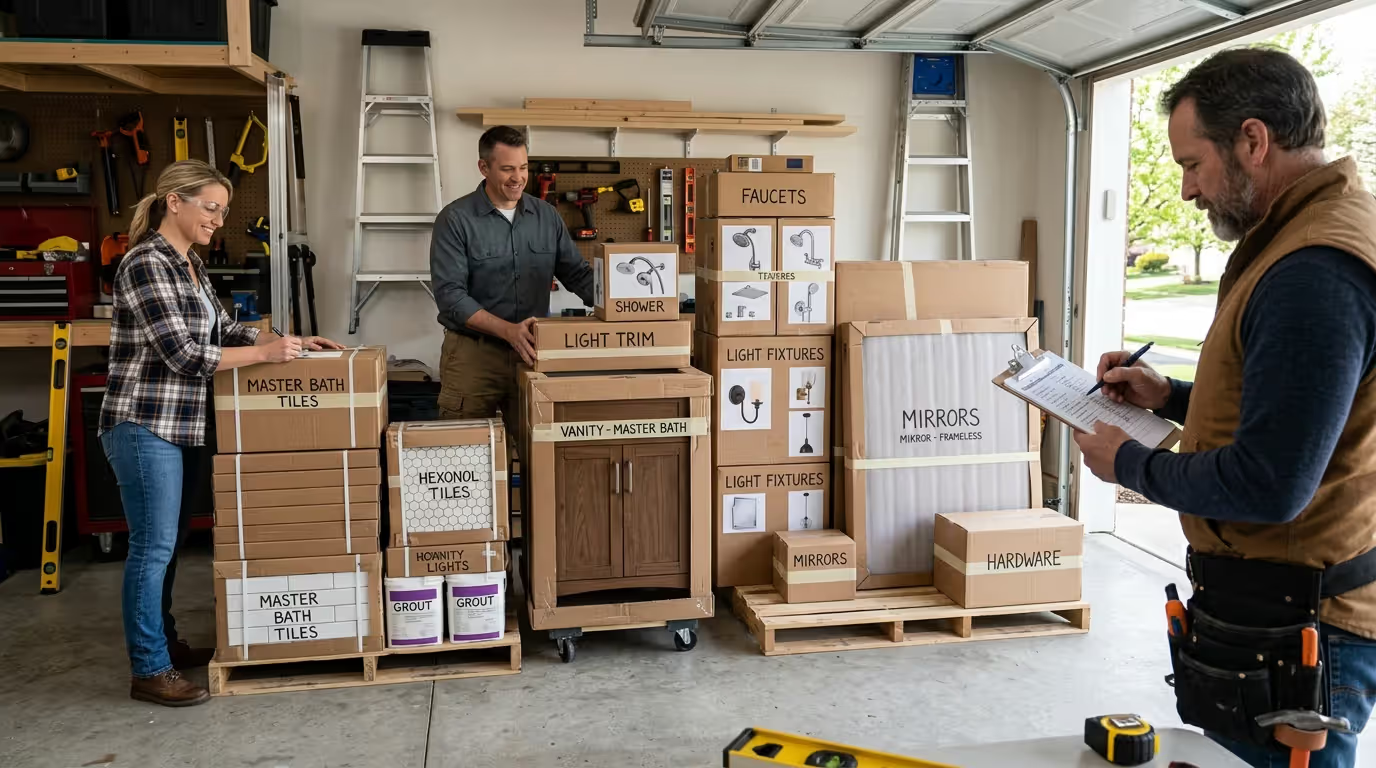
The biggest mistake homeowners make is not ordering materials early enough. I've seen projects sit idle for weeks waiting on a backordered vanity or special-order tile. If you want your remodel done in four weeks, you need to be shopping two months before demolition day.
— Martinez David
Bathroom Remodel Phases and How Long Each Takes
Understanding the phases helps you know what's happening when. And it answers that common question: when remodeling a bathroom, what comes first?
Author: Sophie Langston;
Source: johnhranec.com
Demolition and Prep Work
Demo comes first. Always.
This phase typically takes 1 to 3 days for most bathrooms. Contractors remove the old toilet, vanity, tub or shower, flooring, and sometimes wall materials. In a small bathroom, an experienced crew can demo everything in a single day.
But demo isn't just about swinging a sledgehammer. It includes hauling debris away, protecting the rest of your house from dust, and assessing what's behind those walls. That assessment might reveal issues that change your timeline immediately.
Once demo is done, any necessary structural repairs happen next. Replacing a rotten subfloor? That's another day or two. Fixing water damage? Could be longer depending on severity.
Rough-In Plumbing and Electrical
This is where your bathroom renovation timeline guide gets technical.
Rough-in work takes 2 to 5 days typically. Plumbers and electricians run new pipes and wiring before walls get closed up. If you're keeping fixtures in the same locations, this goes faster. Moving that toilet across the room? That's more complicated and time-consuming.
Inspections happen after rough-in work. The inspector needs to verify everything meets code before you can proceed. Scheduling that inspection and waiting for approval can add several days—or longer if something doesn't pass.
This phase isn't glamorous. You won't see much visible progress. But it's critical. Rush this part and you'll have problems later.
Installation and Finishing
This is the longest phase, taking 1 to 4 weeks depending on project scope.
First comes drywall repair or installation (2 to 3 days), followed by tiling (3 to 7 days for floors and walls). Tile work takes time because you can't rush the setting and grouting process. Each layer needs to cure properly.
Then fixtures get installed: tub or shower, toilet, vanity, lighting. This typically takes 2 to 4 days. Painting happens somewhere in this phase too, usually requiring 1 to 2 days including drying time between coats.
Final touches—installing mirrors, towel bars, toilet paper holders, caulking—take another day or two. Then there's a final walkthrough and any punch-list items that need addressing.
How to Keep Your Bathroom Renovation on Schedule
You can't control everything, but you can avoid common delays.
Choose all materials before demolition starts. Seriously. Have everything picked out, ordered, and ideally delivered. Tile, fixtures, vanity, lighting, paint colors—all of it. Making decisions on the fly slows everything down.
Communicate clearly with your contractor. Check in regularly, but don't micromanage. Ask for weekly updates on progress and any issues that come up. Good contractors appreciate clients who are engaged but not hovering.
Have a backup bathroom plan. You'll need somewhere to shower. If this is your only bathroom, consider the timeline carefully. Some families rent a short-term apartment or stay with relatives during major renovations. Others make do with gym memberships and creative solutions.
Build in buffer time. If your contractor says four weeks, plan for five or six. This reduces stress when inevitable delays happen. Got a hard deadline like houseguests arriving? Start the project earlier than you think you need to.
Be available for decisions. When your contractor calls with a question, respond quickly. Waiting two days for you to decide on grout color means two days of stopped progress.
Pay on time. This seems obvious, but slow payment can slow work. Contractors prioritize clients who pay promptly.
The simpler option usually wins here. Standard materials arrive faster. Common fixture placements mean fewer complications. Every custom element adds time.
Signs Your Bathroom Remodel Is Taking Too Long
Author: Sophie Langston;
Source: johnhranec.com
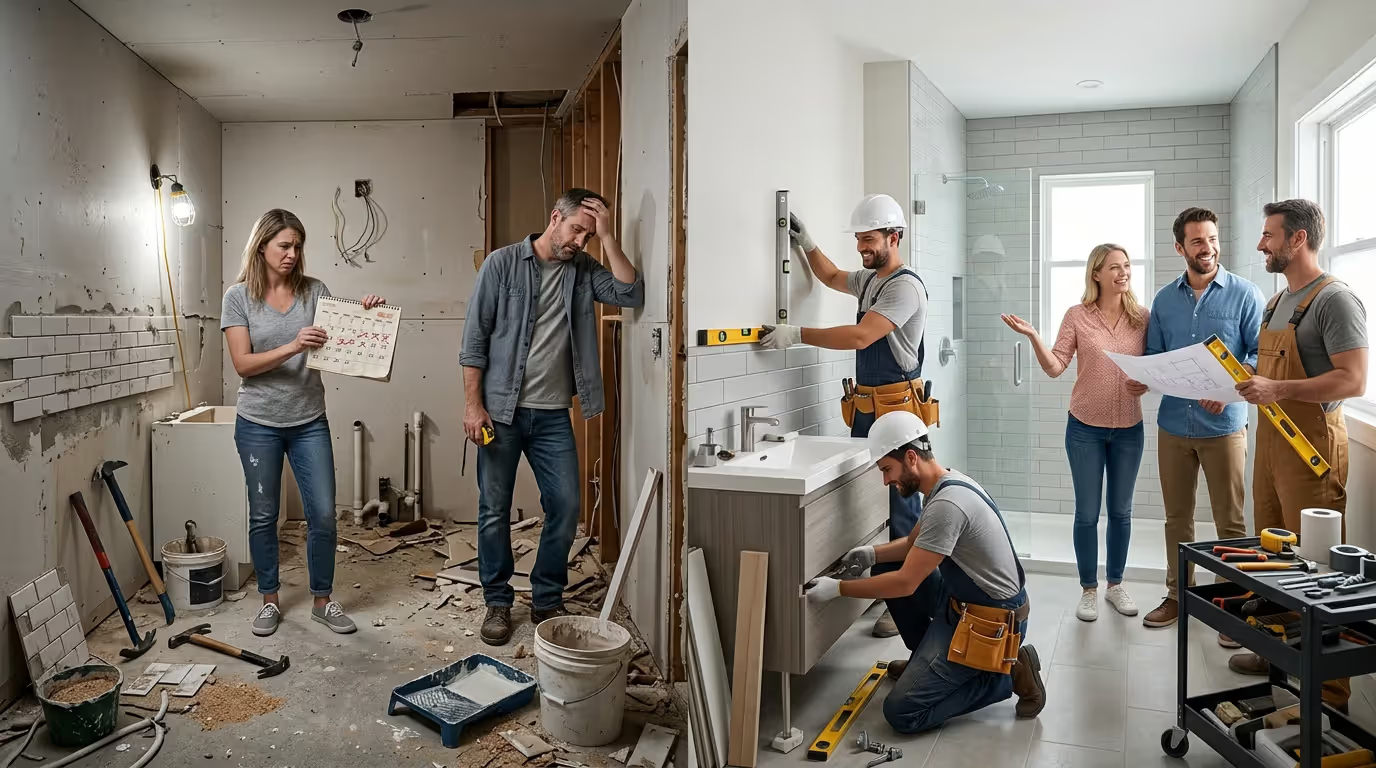
Some delays are normal. Others are red flags.
Normal delays include waiting a few extra days for inspections, dealing with weather that prevents deliveries, or adding a couple days when a hidden problem gets discovered. These things happen. A week-long delay due to permit processing? Frustrating but typical.
Red flags include contractors who stop showing up without explanation, work that sits untouched for a week or more with no communication, or a project that's stretching to double the original timeline with no clear reason why.
If your three-week project is entering month three and you're getting vague excuses, something's wrong. Good contractors communicate proactively when delays happen. They explain what's causing the holdup and when they expect to resume.
Other warning signs: materials that never arrive (and your contractor won't explain why), work that looks sloppy or incorrect, or contractors who seem to be juggling too many projects and yours keeps getting pushed aside.
Trust your gut. If something feels off, it probably is. Don't be afraid to have a direct conversation about timeline concerns.
Frequently Asked Questions About Bathroom Remodel Timelines
Now you know what to expect. Most bathroom remodels take two to eight weeks depending on size and scope. Small bathrooms with minor updates land on the shorter end. Full renovations with custom work take longer.
The key is planning ahead. Order materials early. Build buffer time into your schedule. Choose a contractor who communicates well and has realistic timelines. And remember that some delays are normal—it's how they're handled that matters.
Your bathroom will be a construction zone for a few weeks. But when it's done, you'll have a space you actually enjoy using. That morning routine in a bathroom you love? Worth the temporary inconvenience.
Start by getting detailed quotes from contractors that include specific timelines. Ask about their process, how they handle delays, and what their typical project schedule looks like. The contractor who promises the fastest timeline isn't always the best choice. The one who gives you a realistic timeline and sticks to it? That's who you want.