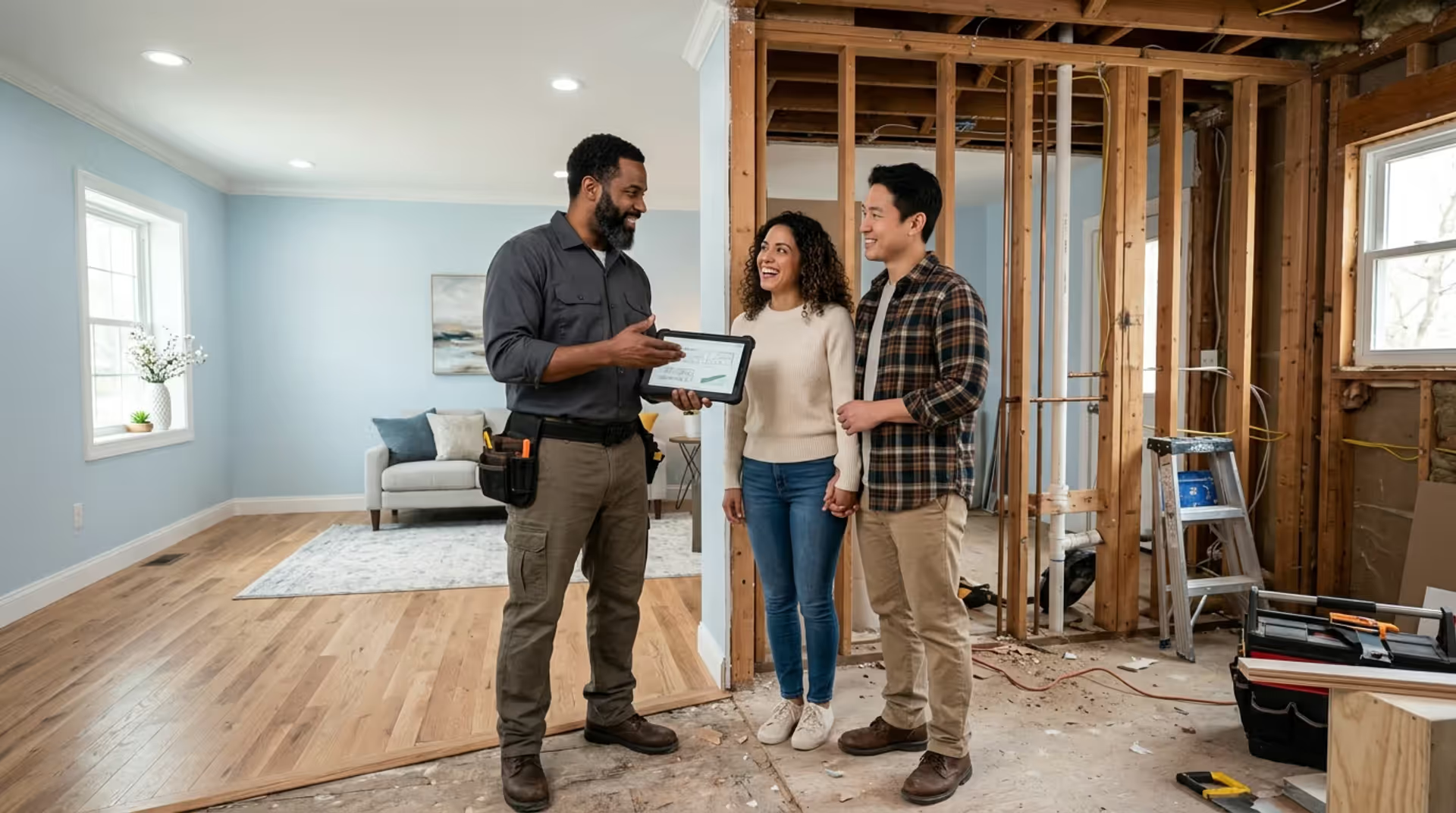
How Long Does It Take to Renovate a House?

Content
Renovating your home is exciting. It's also unpredictable. Most homeowners ask the same question upfront: how long will this actually take? The answer depends on what you're changing, who's doing the work, and what surprises your walls are hiding. A bathroom might wrap up in three weeks. A whole-house gut job could stretch past six months. Understanding realistic timelines—and how to live comfortably while contractors are sawing, hammering, and painting—makes the difference between a manageable project and months of chaos.
Typical Renovation Timelines by Project Type
Renovation timelines vary wildly based on scope. A cosmetic refresh takes days. Structural changes take months. Here's what you can expect for common projects:
| Room/Project Type | Minor Remodel | Major Remodel | Full Gut Renovation |
| Kitchen | 2–4 weeks | 6–10 weeks | 12–16 weeks |
| Bathroom | 1–3 weeks | 4–6 weeks | 8–12 weeks |
| Basement | 3–6 weeks | 8–12 weeks | 14–20 weeks |
| Whole House | 8–12 weeks | 16–24 weeks | 24–40 weeks |
| Addition | 12–16 weeks | 20–28 weeks | 32–48 weeks |
Minor remodels typically involve cosmetic updates: new cabinets, countertops, fixtures, paint. You're not moving walls or rerouting plumbing. Major remodels change layouts, upgrade systems, and often require permits. Full gut renovations strip everything to studs and start fresh.
Kitchen renovations eat up the most time because they involve multiple trades. Electricians, plumbers, HVAC techs, tile setters, cabinet installers, and countertop fabricators all need to coordinate. One delay cascades into the next.
Bathrooms move faster since they're smaller. But don't underestimate them. Custom tile work, especially intricate patterns or floor-to-ceiling installations, can add two weeks to your timeline.
Basements present unique challenges. Moisture issues, low ceilings, and outdated electrical systems often surface mid-project. Budget extra time for the unexpected down there.
Whole-house renovations require careful phasing. Most contractors tackle one zone at a time so you can maintain some livable space. This approach extends the calendar timeline but keeps you sane.

Author: Nathan Cole;
Source: johnhranec.com
What Affects How Long Your Renovation Will Take
Permits slow everything down. And they're non-negotiable for structural work, electrical upgrades, and plumbing changes. In some municipalities, permit approval takes two weeks. In others, it's eight. Factor this into your schedule before demolition starts.
Contractor availability matters more than most homeowners realize. The best crews book out months in advance. If you're starting in spring—peak renovation season—expect longer lead times for both labor and inspections.
Material delays became notorious in recent years, and they haven't disappeared. Custom cabinets take 8–12 weeks from order to delivery. Specialty tile, windows, and appliances often require similar wait times. Order everything early, even before demolition if possible.
Scope changes are timeline killers. Deciding mid-project that you want a different backsplash or additional outlets means rescheduling subcontractors. Those changes ripple through the entire schedule.
Structural surprises are the wild card. Hidden water damage, outdated wiring that doesn't meet code, or load-bearing walls where you didn't expect them—these discoveries can add weeks to your project. The pattern I see most often is homeowners who skip the pre-renovation inspection to save a few hundred dollars, then lose thousands when problems emerge during demolition.
Weather impacts exterior work and additions. Rain delays roofing, siding, and foundation work. Winter freezes pause concrete pours in cold climates. If your project involves outdoor construction, pad your timeline by 15–20% for weather contingencies.
Living in Your House During the Renovation
Staying home during construction saves money. You avoid temporary housing costs, storage fees, and the hassle of moving twice. But it's not always the right choice.
Living in a house during renovation works best for single-room projects. If contractors are redoing your guest bathroom and you have another one, staying put makes sense. You'll deal with noise and some dust, but your daily life stays mostly intact.
Whole-house renovations are different. When multiple rooms are torn apart simultaneously, staying home becomes genuinely difficult. You're navigating construction zones to reach your bedroom. You're washing dishes in a bathroom sink. You're breathing drywall dust for weeks.
Safety considerations matter too. Lead paint and asbestos require professional abatement and often mandate temporary relocation. Active demolition creates hazards—exposed nails, unstable flooring, compromised air quality. If you have young children or respiratory issues, moving out during the messiest phases protects your health.
The decision framework is simple: Can you maintain basic functions—sleeping, cooking, hygiene—without major disruption? If yes, staying works. If no, find temporary housing for at least the demolition and rough-in phases.

Author: Nathan Cole;
Source: johnhranec.com
Setting Up Temporary Living Spaces
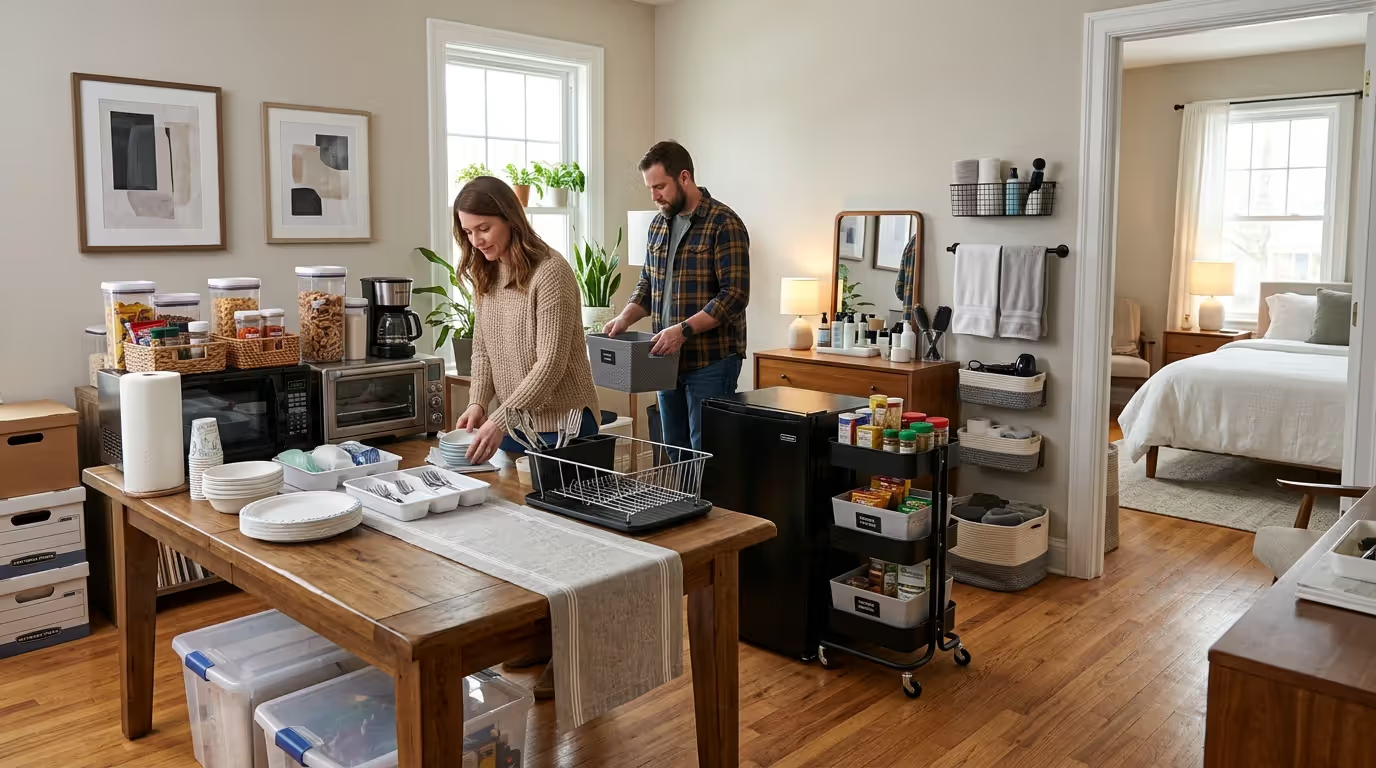
A temporary kitchen during a kitchen remodel doesn't need to be elaborate. It needs to be functional. Set up a station in your dining room, garage, or basement with these essentials:
- Microwave and toaster oven for basic cooking
- Mini-fridge to store perishables
- Electric kettle for hot water
- Cooler with ice for overflow storage
- Paper plates and disposable utensils to avoid dishwashing drama
Some homeowners install a camping stove on their deck or patio for more cooking flexibility. It works, but check local regulations first—some areas restrict outdoor cooking equipment.
If your bathroom is out of commission, you need a backup plan. A second bathroom in the house solves this immediately. No second bathroom? Options get creative. Some families use a neighbor's shower (offer to pay their water bill). Others join a gym temporarily for shower access. RV rental companies also rent portable shower units, though that's usually overkill unless your project stretches past two months.
Creating dust-free zones preserves your sanity. Designate one room—ideally a bedroom far from construction—as your clean space. Seal it off with plastic sheeting and painter's tape. Keep an air purifier running inside. This becomes your retreat when the dust gets unbearable.
Author: Nathan Cole;
Source: johnhranec.com
Managing Noise and Dust Throughout Your Home
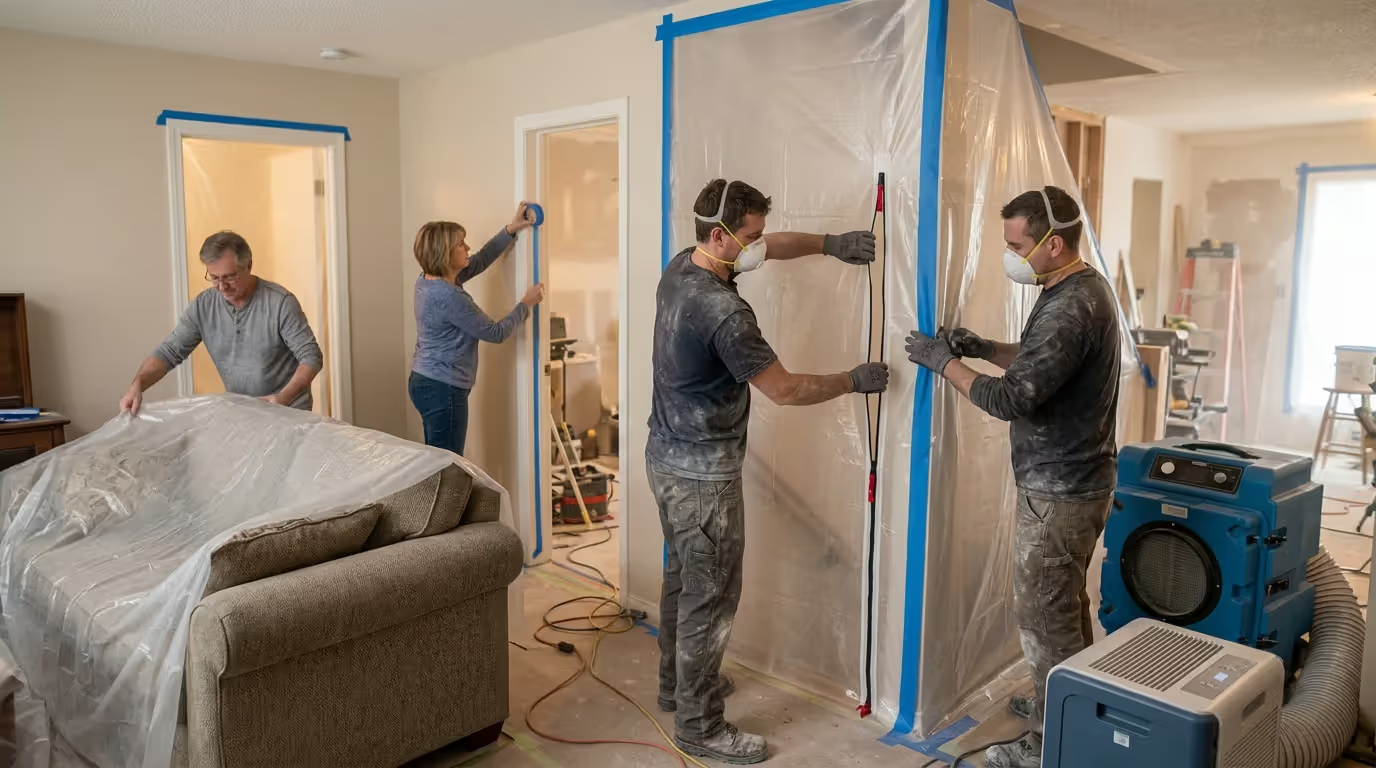
Dust travels everywhere. Everywhere. Contractors can hang plastic barriers and seal doorways with zipper walls, but fine particles still escape. Accept this reality upfront.
Plastic barriers help, but they're not perfect. Use thick 6-mil plastic sheeting, not the flimsy stuff. Tape all edges securely. Create a "decontamination zone" where workers can brush off before moving between construction and living areas.
Air purifiers with HEPA filters make a real difference. Run them continuously in spaces you're actively using. Change filters frequently—construction dust clogs them fast.
Work hour negotiations matter for your mental health. Most contractors start between 7:00 and 8:00 a.m. and work until 4:00 or 5:00 p.m. If you work from home, negotiate quieter tasks during your important calls. Most crews will accommodate reasonable requests if you communicate clearly.
Protecting belongings requires planning. Move furniture, artwork, and valuables out of construction zones entirely. Cover remaining items with drop cloths. Don't trust plastic sheeting alone—dust finds its way through.
Noise is unavoidable during certain phases. Demolition, tile cutting, and sanding create serious decibel levels. If possible, plan to be out of the house during the loudest days. If you can't leave, invest in quality noise-canceling headphones.
Author: Nathan Cole;
Source: johnhranec.com
How to Maintain Your Daily Routine During Construction
Maintaining routine during home renovation takes creativity. Your normal patterns get disrupted, but you can adapt with some planning.
Meal planning without a full kitchen means simplifying. Stock up on meals that require minimal prep: rotisserie chicken, pre-washed salads, microwaveable grains, canned soups. Embrace takeout without guilt—this isn't the time to be a cooking hero. Batch-cook on weekends if you have access to a friend's or family member's kitchen, then freeze portions.
Morning and evening routines need adjustment. If your bathroom is gutted, shower the night before early morning meetings. Set up a grooming station in a different room with a mirror, good lighting, and all your essentials organized in a caddy.
Remote work during construction is challenging. Noise makes video calls nearly impossible during active work hours. Strategies that help:
- Communicate your meeting schedule to your contractor the night before
- Use a co-working space or coffee shop for important calls
- Schedule focused work during contractor lunch breaks
- Work earlier or later hours when the site is quiet
Pet considerations are serious. Construction noise stresses animals. Loud banging can trigger anxiety in dogs. Cats hide in dangerous places—inside walls, under subflooring, behind appliances. During demolition phases, board pets or keep them at a friend's house. If they must stay home, confine them to a quiet room far from construction with white noise to mask sounds.
Children adapt better than you'd expect, but safety comes first. Establish clear boundaries about construction zones. Never let kids enter active work areas, even if workers aren't present. Exposed nails, power tools, and unstable structures create real hazards. For younger children, consider temporary childcare during the messiest weeks.
Reducing Stress While Living Through a Remodel
Coping with construction at home tests your patience. Even well-planned projects create stress. Here's how to manage it.
Communication with contractors prevents most frustrations. Establish a daily check-in—five minutes at the end of each workday to review progress and discuss the next day's plan. Ask questions when something looks wrong. Good contractors appreciate involved homeowners who communicate respectfully.
Setting realistic expectations protects your mental health. Renovations take longer than promised. They cost more than estimated. Accepting this reality upfront reduces disappointment when delays happen.
The biggest mistake homeowners make is planning their timeline around the best-case scenario. I always tell clients to add 20% to whatever timeline we discuss. Permits get delayed, materials arrive damaged, we open a wall and find problems—it's not pessimism, it's experience. The homeowners who handle renovations best are the ones who plan for delays instead of being blindsided by them.
— Henderson Marcus
Creating retreat spaces gives you somewhere to decompress. That dust-free bedroom you sealed off? Make it comfortable. Add a comfortable chair, good lighting, and entertainment options. When construction overwhelms you, retreat there for an hour.
Taking breaks away from home isn't weakness—it's smart planning. Schedule regular escapes during the renovation. Weekend getaways, long dinners out, or even a few hours at a park give you mental distance from the chaos. You'll return with renewed patience.
Managing renovation stress also means accepting imperfection. Your house will be messy. You'll eat more takeout than usual. Your routine will be disrupted. That's temporary. The finished result is permanent.

Author: Nathan Cole;
Source: johnhranec.com
Common Mistakes Homeowners Make During Renovations
Underestimating timelines is the most common error. Contractors provide estimates based on ideal conditions. Real projects encounter delays. Always add buffer time to whatever timeline you're given—at least 15–20% for single-room projects, 25–30% for whole-house renovations.
Poor planning for displacement creates unnecessary hardship. Don't wait until your kitchen is demolished to figure out where you'll cook. Set up temporary systems before construction starts. Test them for a few days to identify gaps.
Inadequate dust control ruins belongings and creates health issues. Don't skimp on barriers, air purifiers, and protective coverings. The money you spend on dust management saves you from replacing furniture, cleaning carpets, and dealing with respiratory problems.
Not establishing clear work boundaries leads to contractor fatigue and homeowner frustration. Define work hours, access points, bathroom usage, and parking before the project starts. Put it in writing. Revisit boundaries if issues arise.
Trying to DIY portions mid-project rarely saves money. It disrupts the contractor's schedule and often creates more work when your DIY attempt needs professional correction. If you want to handle certain tasks yourself, agree on that upfront and schedule them between professional phases.
Changing your mind repeatedly destroys timelines and budgets. Some changes are necessary when you discover problems. But swapping tile choices three times or redesigning the layout mid-construction adds weeks and thousands of dollars. Make decisions early and stick to them.
FAQ: Home Renovation Questions Answered
Home renovations test your patience, flexibility, and tolerance for chaos. But they're temporary. The sawdust settles. The contractors pack up. Your beautiful new space emerges.
The homeowners who navigate renovations most successfully are the ones who plan for disruption rather than hoping to avoid it. They set up functional temporary systems. They communicate clearly with contractors. They build buffer time into timelines. They give themselves permission to order pizza three nights in a row.
Your renovation will probably take longer than the initial estimate. You'll discover at least one unexpected problem behind your walls. You'll get tired of the noise and dust. That's all normal.
What matters is understanding realistic timelines for your specific project, preparing your home and family for the disruption, and maintaining perspective when delays happen. The kitchen renovation that stretches from eight weeks to eleven is frustrating in the moment. But in a year, you'll barely remember the extra three weeks. You'll just enjoy your new kitchen every single day.
Start with accurate timeline expectations. Prepare thoroughly for living through construction. Communicate consistently with your contractor. Accept that perfection isn't the goal—completion is. Do those things, and you'll survive your renovation with your sanity mostly intact and a home you love at the end.