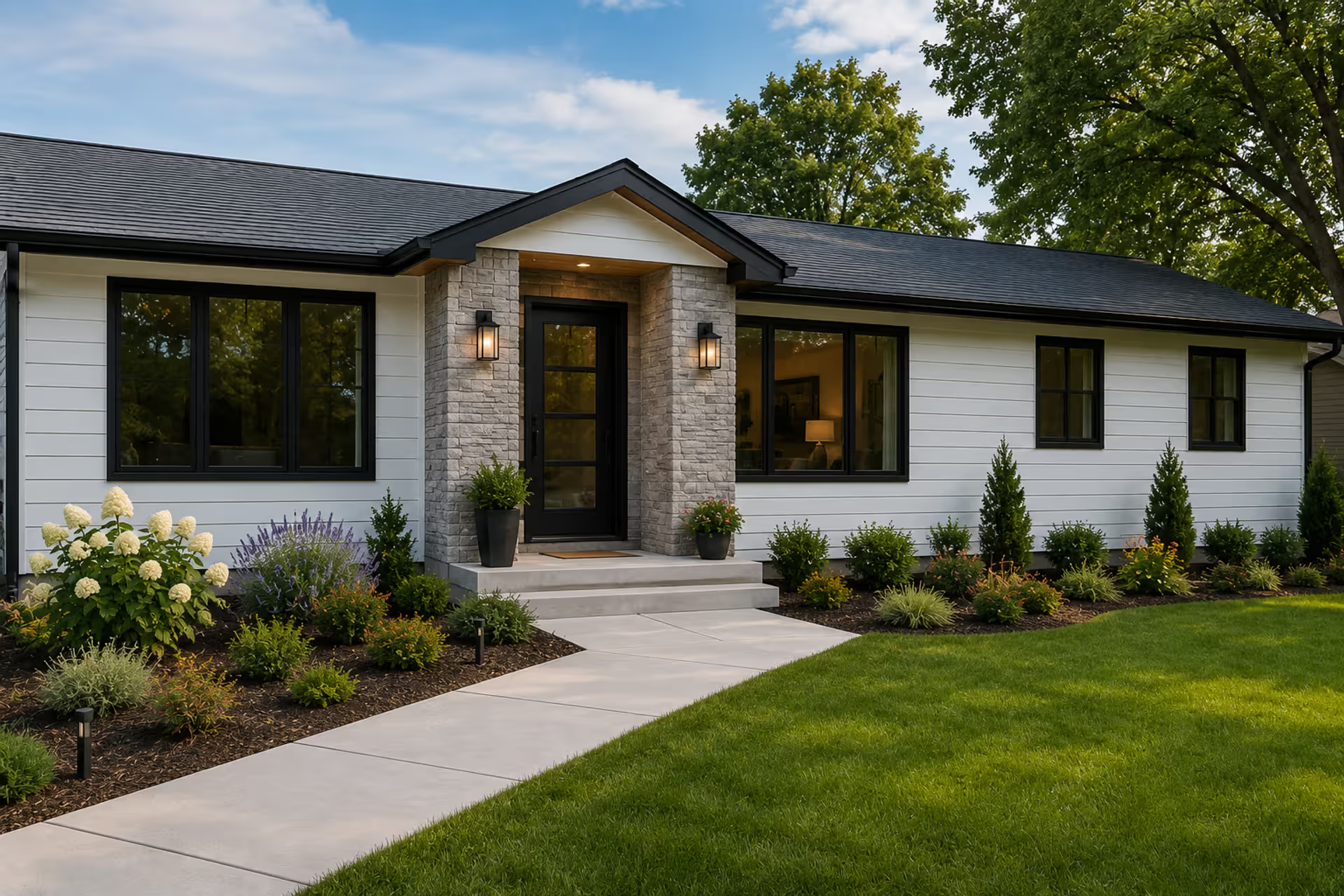
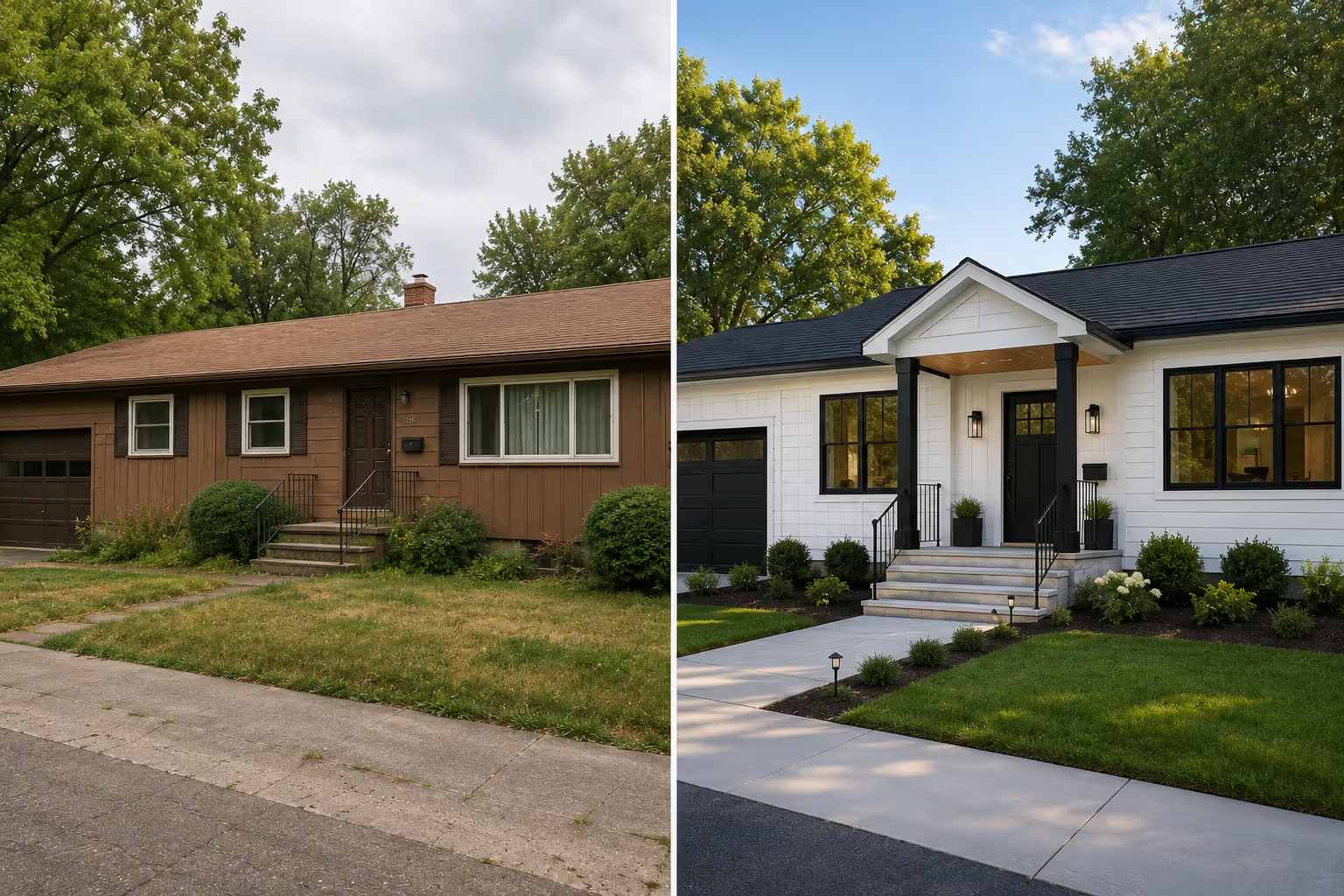
Renovated 1970s ranch house with modern siding, windows, and stone accents
1970s Ranch House Exterior Remodel Guide

Content
Transforming a 1970s ranch house doesn't require bulldozers or six-figure budgets. Most of these homes share the same tired features: dark wood siding, tiny windows, and color schemes that scream avocado-and-harvest-gold. But here's the thing—their simple lines and solid bones make them perfect candidates for dramatic exterior makeovers. You'll see exactly how homeowners are turning these dated ranches into modern showstoppers, what they're spending, and which updates deliver the biggest visual punch.
Why 1970s Ranch Homes Need Exterior Updates
Walk through any neighborhood built in the '70s and you'll spot the pattern immediately. Brown T-111 siding. Horizontal aluminum strips. Windows that look like afterthoughts. These homes were built during an era that prioritized function over form, and it shows.
The typical 1970s ranch exterior suffers from a few key problems. The facades are flat—no dimension, no layering, no visual interest. Windows are often small and placed without much thought to proportion or light. Overhangs are minimal or nonexistent, leaving the front door exposed and uninviting.
Then there's the color problem. Earth tones dominated this decade: burnt orange, chocolate brown, mustard yellow, and that peculiar shade of olive green that hasn't aged well. These colors make homes recede into the landscape rather than stand out.
The good news? These issues are all fixable. And because ranch homes have straightforward rectangular footprints, exterior renovations tend to be more affordable than you'd expect.
Planning Your Ranch House Exterior Renovation
Setting a Realistic Budget for Exterior Work
Most ranch exterior remodels fall between $15,000 and $75,000, depending on scope. A basic refresh—paint, new front door, updated landscaping—might run $8,000 to $15,000. Mid-range renovations that include new siding, windows, and architectural details typically cost $35,000 to $55,000. High-end transformations with stone veneer, custom millwork, and roofline modifications can push past $80,000.
The pattern I see most often is homeowners starting with paint and trim, then tackling bigger projects as budget allows. This phased approach works well for ranches since you can update one elevation at a time.
Material choices drive costs significantly. Vinyl siding runs $4 to $8 per square foot installed, while fiber cement costs $8 to $12. Stone veneer adds $15 to $30 per square foot. Windows range from $450 to $1,200 each, installed.
Hiring Contractors vs. DIY Approaches
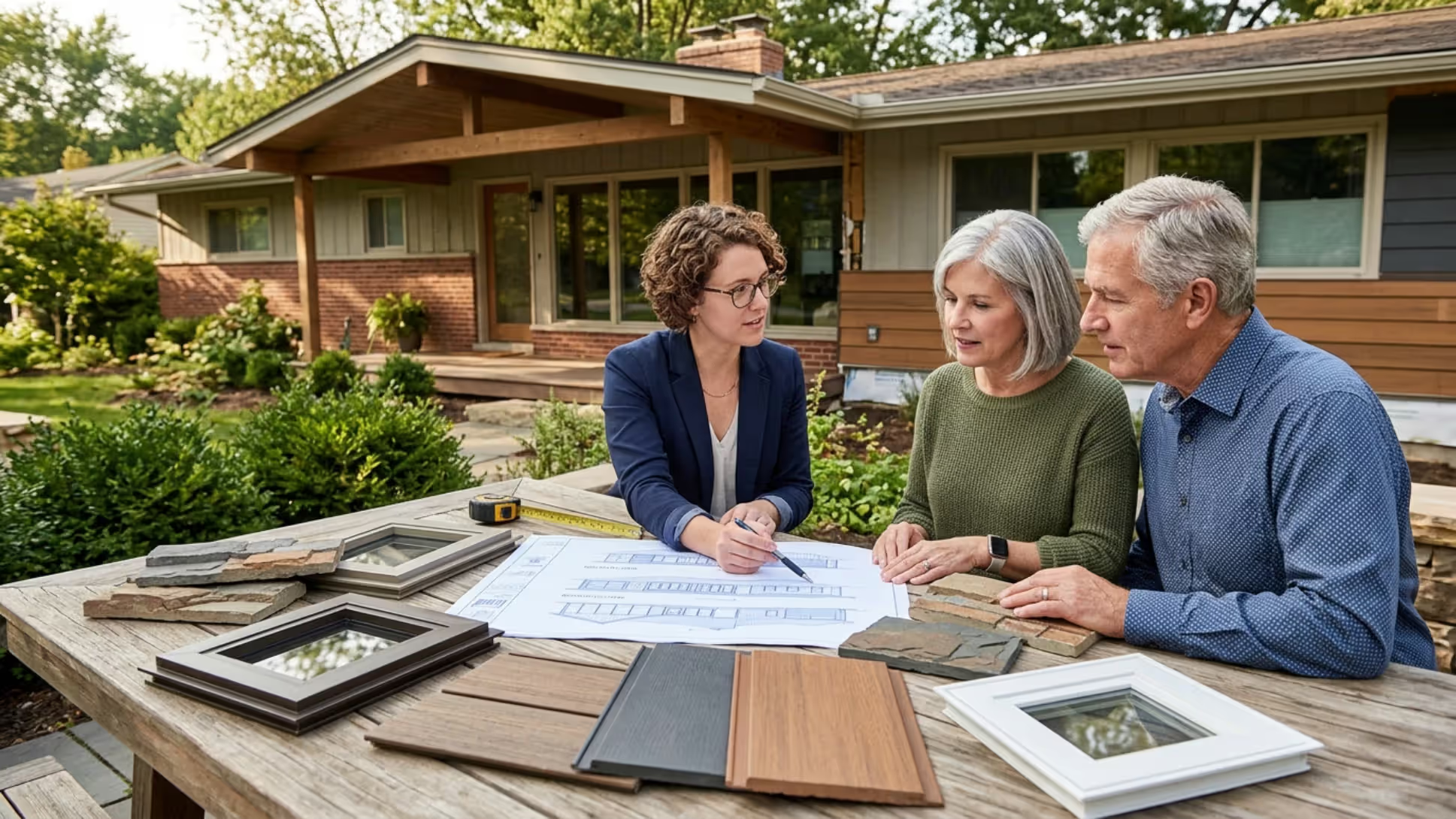
Painting and basic trim work? That's DIY territory if you're comfortable on a ladder. Siding replacement, window installation, and anything structural? Hire professionals.
Here's why: improper siding installation voids warranties and creates moisture problems. Window installation requires precise flashing and sealing—one mistake leads to leaks and rot. Roofline modifications need engineering calculations and proper load distribution.
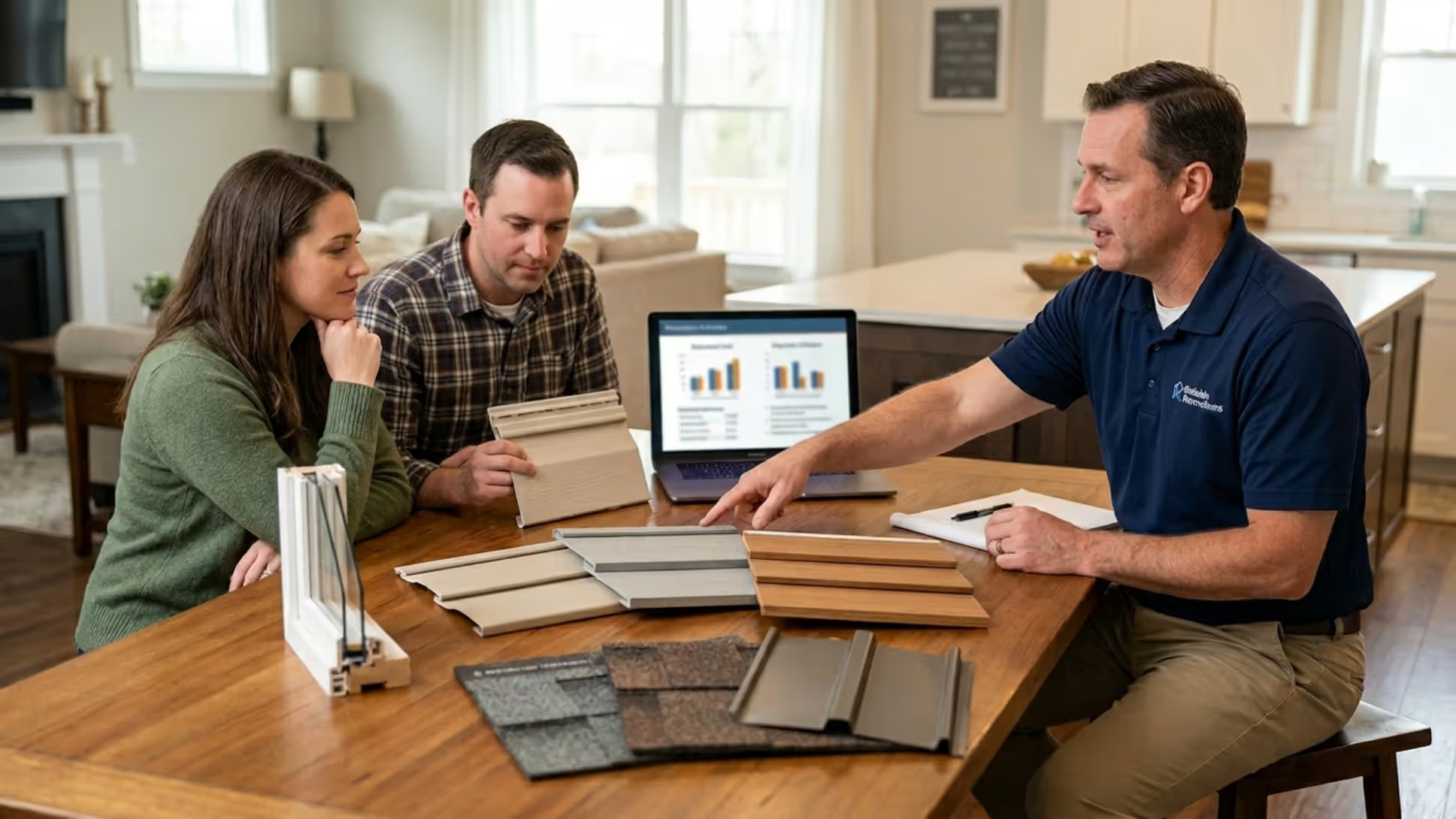
Get at least three quotes. Check licenses, insurance, and recent references. Ask to see photos of completed ranch renovations specifically—not just any exterior work.
Most exterior renovations take 2 to 6 weeks, weather depending. Spring and fall offer the best conditions, though you'll pay premium rates during peak season.
Permit Requirements and HOA Considerations
Exterior paint rarely requires permits. Siding replacement, window changes, and structural modifications almost always do.
Call your local building department before starting work. Permit costs typically run $150 to $800, depending on project scope. Inspections ensure work meets code—particularly for moisture barriers, flashing, and structural elements.
HOAs complicate things. Some approve color changes quickly. Others require architectural review for any exterior modification. Submit plans early and be prepared to compromise on certain design elements.
Skipping permits seems tempting but creates problems when you sell. Unpermitted work must be disclosed, and buyers' lenders often require permits to be pulled retroactively—at your expense.
Author: Olivia Hartwel;
Source: johnhranec.com
High-Impact Exterior Renovation Ideas for Ranch Homes
Updating Siding and Trim
Replacing dated siding transforms ranch exteriors faster than any other single update. Fiber cement board-and-batten creates vertical lines that add height and visual interest to flat facades. Horizontal lap siding in wider profiles (7 to 8 inches) looks more contemporary than narrow 4-inch strips.
Mixing materials adds dimension. Many homeowners install board-and-batten on the lower third of the facade, with lap siding above. This horizontal break makes ranches feel less stretched-out.
Trim matters more than most people realize. Wider trim boards (1x6 or 1x8) around windows and corners create shadow lines and architectural presence. Dark trim against light siding creates crisp contrast. Monochromatic schemes (trim and siding in similar tones) feel more modern and sophisticated.
Modernizing Windows and Doors
Small, dated windows make ranches look closed-off and dark. Replacing them with larger units—especially on the front facade—changes the entire character.
You don't always need to reframe openings. Many window manufacturers offer units sized to fit existing rough openings while providing more glass area. Black or dark bronze frames look sharp against light siding and trim.
Front doors deserve special attention. Oversized doors (42 inches wide instead of 36) make entryways feel more grand. Modern styles with vertical panels, sidelights, or glass inserts create focal points where none existed before.
Garage doors often cover 30% to 40% of ranch front facades. Upgrading to carriage-house style doors or modern flush designs makes a huge difference. Color matters here too—matching the door color to the siding creates a cohesive look, while contrasting colors make garages more prominent.
Adding Architectural Elements (shutters, board-and-batten, stone accents)
Flat facades need layering. Board-and-batten siding adds vertical texture. Stone or brick veneer creates weight and permanence, especially around entries or on accent walls.
Shutters work only if they're properly sized—each shutter should be half the window width, as if they could actually close. Undersized decorative shutters look tacked-on and cheap. Skip them entirely if you can't get the proportions right.
Horizontal trim bands that wrap the house at windowsill height create visual breaks and make ranches feel less long and low. Cedar or composite brackets under eave overhangs add craftsman-style detail without major structural work.
Roofline and Overhang Modifications
Extending roof overhangs from 12 inches to 24 or 30 inches creates deeper shadows and better proportions. This modification costs $8,000 to $20,000 but transforms the entire profile.
Adding a gabled entry porch or portico creates a focal point and architectural hierarchy. Even a simple 6-foot-by-8-foot covered entry makes the front door feel intentional rather than stuck on a flat wall.
Some homeowners add false gables or dormers to break up long rooflines. This works best when designed by an architect who understands proportions—poorly executed gables look awkward and out of scale.
Author: Olivia Hartwel;
Source: johnhranec.com
Exterior Color Schemes That Transform Ranch Houses
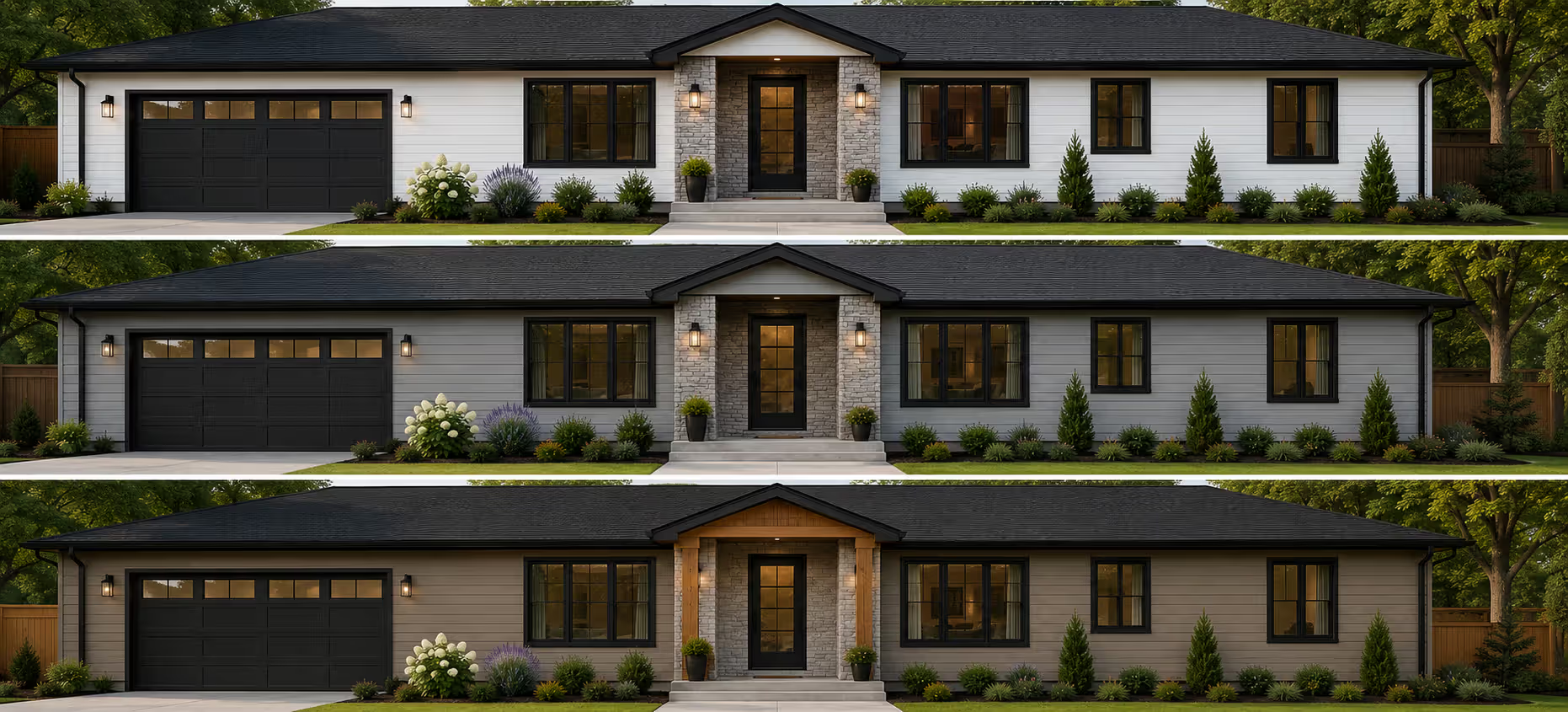
Color selection makes or breaks ranch renovations. Modern palettes lean toward neutrals with strategic accent colors.
White, soft gray, greige (gray-beige), and warm taupe work as primary siding colors. These neutrals provide a clean backdrop and make homes feel larger and more open.
Darker colors—charcoal, navy, black, deep green—create dramatic, contemporary looks but require careful execution. Dark siding shows imperfections and fades faster than light colors. It also makes small ranches feel smaller.
Trim color establishes the overall vibe. White trim against colored siding feels traditional and crisp. Matching trim to siding in a slightly lighter or darker shade feels more modern and seamless. Black trim creates bold, contemporary contrast.
Front doors offer accent color opportunities. Deep blue, glossy black, warm terracotta, or sage green doors pop against neutral siding. Match your door color to one of the undertones in your siding for a coordinated look.
Avoid dated combinations: brown siding with white trim, beige-on-beige, or anything involving orange or gold tones. Regional considerations matter—coastal areas favor cooler grays and blues, while southwestern homes pull off warmer earth tones.
Real Before and After Ranch Exterior Makeovers
Author: Olivia Hartwel;
Source: johnhranec.com
Case Study 1: The Brown Box Transformation
This 1,800-square-foot ranch in suburban Chicago started with dark brown T-111 siding, small aluminum windows, and zero curb appeal. The homeowners spent $42,000 over three months to completely transform it.
They replaced all siding with white fiber cement lap boards and added board-and-batten on the lower facade. New black-framed windows increased glass area by 40%. A stone veneer accent wall around the entry added texture. A new portico with cedar brackets created a defined entrance.
The color palette shifted to white siding, black trim, and a charcoal front door. Simple but effective. The home now looks 20 years newer and appraised $65,000 higher.
Case Study 2: The Minimal Modern Approach
A 1,400-square-foot ranch in Austin got a budget-friendly makeover for $18,000. The existing brick stayed—it was in good shape—but everything else changed.
Fresh paint on all trim and fascia (warm white). New black garage doors. An oversized front door (42 inches) painted deep blue. Strategic landscaping with native grasses and a clean walkway. Updated exterior lighting with modern black fixtures.
No siding replacement. No window changes. Just smart updates that cost less but delivered serious visual impact. Sometimes the simpler option wins.
Case Study 3: The Mixed-Material Makeover
This 2,100-square-foot ranch in North Carolina received a $58,000 renovation that mixed materials for maximum effect. The original wood siding was failing and needed replacement anyway.
The homeowners installed vertical board-and-batten on the front facade and horizontal lap siding on the sides and back. Stone veneer covered the foundation and wrapped around the entry. They extended the roof overhang from 12 to 28 inches and added exposed rafter tails for craftsman-style detail.
Colors: light gray siding, darker gray trim, natural stone, and a black front door. The transformation completely changed the home's character from dated ranch to modern farmhouse.
Case Study 4: The Color-Only Refresh
Not every ranch needs major construction. This 1,600-square-foot home in Oregon spent just $8,500 on paint, a new door, and landscaping.
The existing fiber cement siding was sound but painted builder-beige. A fresh coat in soft sage green, white trim, and a warm wood-tone front door created a completely different look. New black house numbers, updated porch lighting, and cleaned-up landscaping completed the refresh.
Cost per square foot of transformation? About $5.30. ROI on resale? The home sold for $28,000 over comparable beige ranches in the neighborhood.
How Long Your Exterior Upgrades Will Last
Understanding material lifespans helps you plan maintenance and budget for future work.
Exterior paint lasts 7 to 12 years on average, depending on climate, surface prep, and paint quality. Homes in harsh sun or extreme weather need repainting every 5 to 8 years. Proper surface prep—scraping, priming, caulking—matters more than paint brand.
Fiber cement siding lasts 30 to 50 years with minimal maintenance. Vinyl siding runs 20 to 40 years but fades and becomes brittle over time. Wood siding needs repainting or staining every 3 to 7 years and lasts 20 to 40 years with proper care.
Windows last 15 to 30 years depending on quality and materials. Vinyl frames last 20 to 40 years. Fiberglass and wood frames can hit 30 to 50 years with maintenance. Seals fail before frames do—expect some condensation between panes after 15 to 20 years.
Asphalt shingle roofs last 20 to 30 years. Metal roofing runs 40 to 70 years. Architectural shingles outlast three-tab shingles by 5 to 10 years.
Stone and brick veneer last 50-plus years with virtually no maintenance beyond occasional cleaning. This longevity justifies the higher upfront cost.
Front doors last 20 to 30 years for fiberglass or steel, longer for solid wood if maintained properly. Hardware and weatherstripping need replacement every 10 to 15 years.
The most successful ranch renovations respect the home's original proportions while adding strategic layers of detail. You're not trying to turn a ranch into a Victorian—you're enhancing its horizontal lines and simple geometry with texture, color, and carefully placed focal points. The homes that look awkward after renovation ignored this principle and tried to be something they're not.
— Mitchell Sarah
Common Mistakes to Avoid in Ranch Exterior Remodels
Over-renovating for your neighborhood tanks your ROI. If you're surrounded by $250,000 homes, spending $80,000 on exterior work won't return your investment. Keep renovations within 10% to 15% of your home's value.
Ignoring proportions creates awkward results. Tiny shutters on large windows. Oversized stone veneer that overwhelms a small facade. A massive portico on a modest entry. Scale matters—every element should relate proportionally to the whole.
Cheap materials look cheap. Thin vinyl siding that ripples in heat. Hollow-core doors that sound tinny when closed. Plastic shutters that fade to chalky gray. Spend money on visible, high-touch elements like doors, windows, and quality siding.
Mismatched styles confuse the eye. Don't mix modern black windows with traditional shutters and craftsman brackets. Choose a design direction—modern farmhouse, contemporary, transitional—and stick with it.
Skipping surface prep guarantees paint failure. Peeling paint, mildew, and loose caulking must be addressed before new paint goes on. Proper prep takes 40% to 50% of total painting time but determines how long your finish lasts.
Neglecting landscaping wastes your renovation investment. Even the best exterior updates look unfinished with overgrown shrubs and patchy grass. Budget 10% to 15% of your exterior renovation for landscaping improvements.
Author: Olivia Hartwel;
Source: johnhranec.com
Exterior Renovation Cost and Lifespan Comparison
| Update Type | Average Cost Range | Expected Lifespan | ROI/Curb Appeal Impact |
| Exterior Paint (full house) | $4,500 – $12,000 | 7 – 12 years | High impact, 60-80% ROI |
| Siding Replacement (fiber cement) | $12,000 – $35,000 | 30 – 50 years | Very high impact, 70-85% ROI |
| Window Replacement (10-12 windows) | $6,000 – $18,000 | 15 – 30 years | Moderate impact, 65-75% ROI |
| Front Door Upgrade | $1,500 – $5,000 | 20 – 30 years | High impact, 75-90% ROI |
| Roofing Replacement | $8,000 – $20,000 | 20 – 30 years | Moderate impact, 60-70% ROI |
| Stone Veneer Accent Wall | $5,000 – $15,000 | 50+ years | High impact, 80-95% ROI |
| Garage Door Replacement | $1,200 – $4,000 | 15 – 25 years | Very high impact, 90-100% ROI |
Ranch house exteriors from the 1970s don't have to stay stuck in that decade. The transformations you've seen here prove that strategic updates—new siding, better proportions, modern colors, and thoughtful details—turn dated ranches into homes that feel current and fresh.
Start with a clear plan and realistic budget. Focus on high-impact changes first: siding, paint, front door, and garage door deliver the most visual change per dollar spent. Add architectural details that respect your home's simple lines rather than fighting against them.
You don't need to change everything at once. Phased renovations work perfectly for ranch exteriors. Paint and trim this year. Windows next year. Siding when budget allows. Each update builds on the last.
The key is making intentional choices about materials, colors, and proportions. Avoid trends that'll look dated in five years. Stick with quality materials that'll last decades. And remember—the goal isn't to create a different house. It's to reveal the better version that was always there.
FAQ: 1970s Ranch House Exterior Remodel Questions Answered