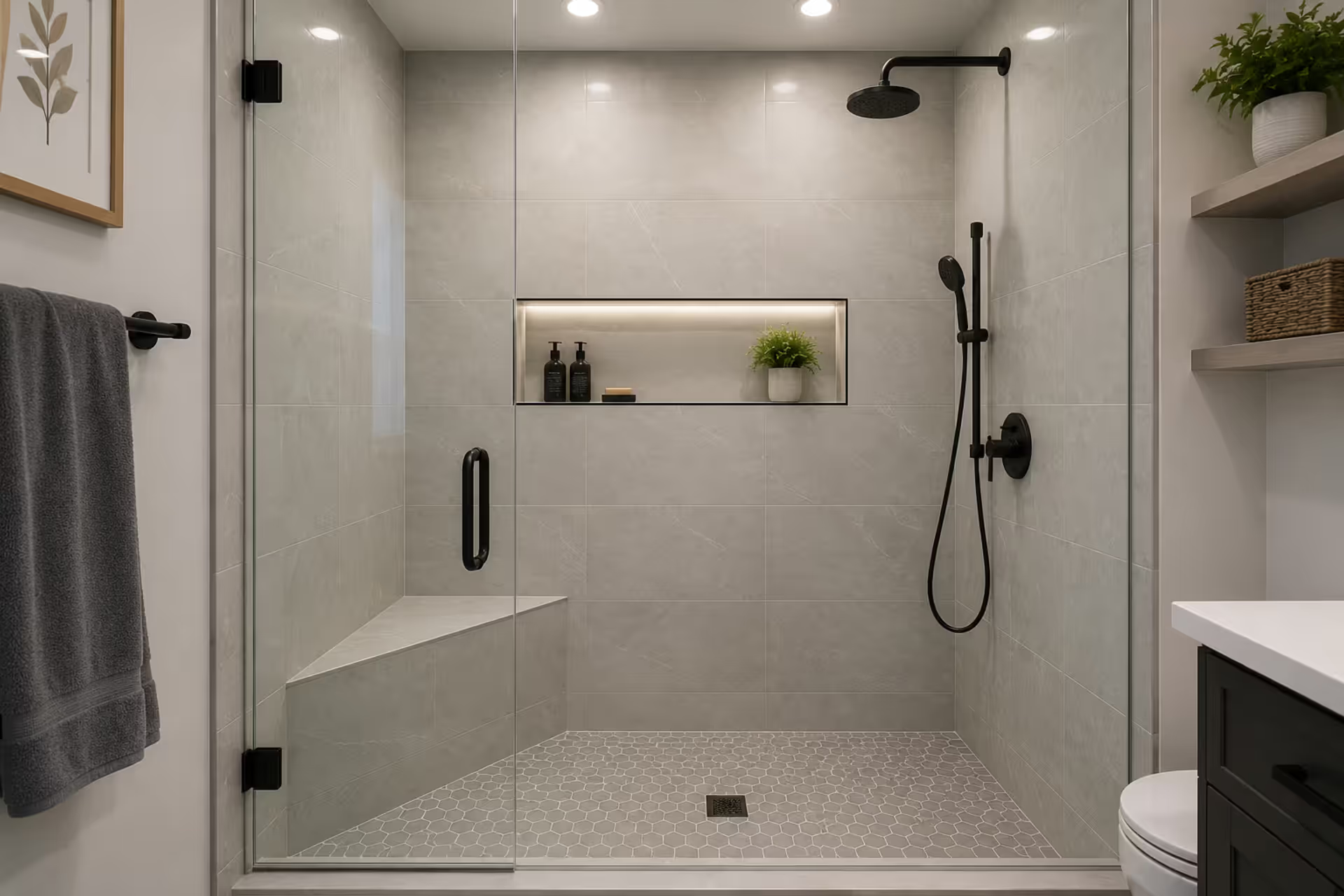
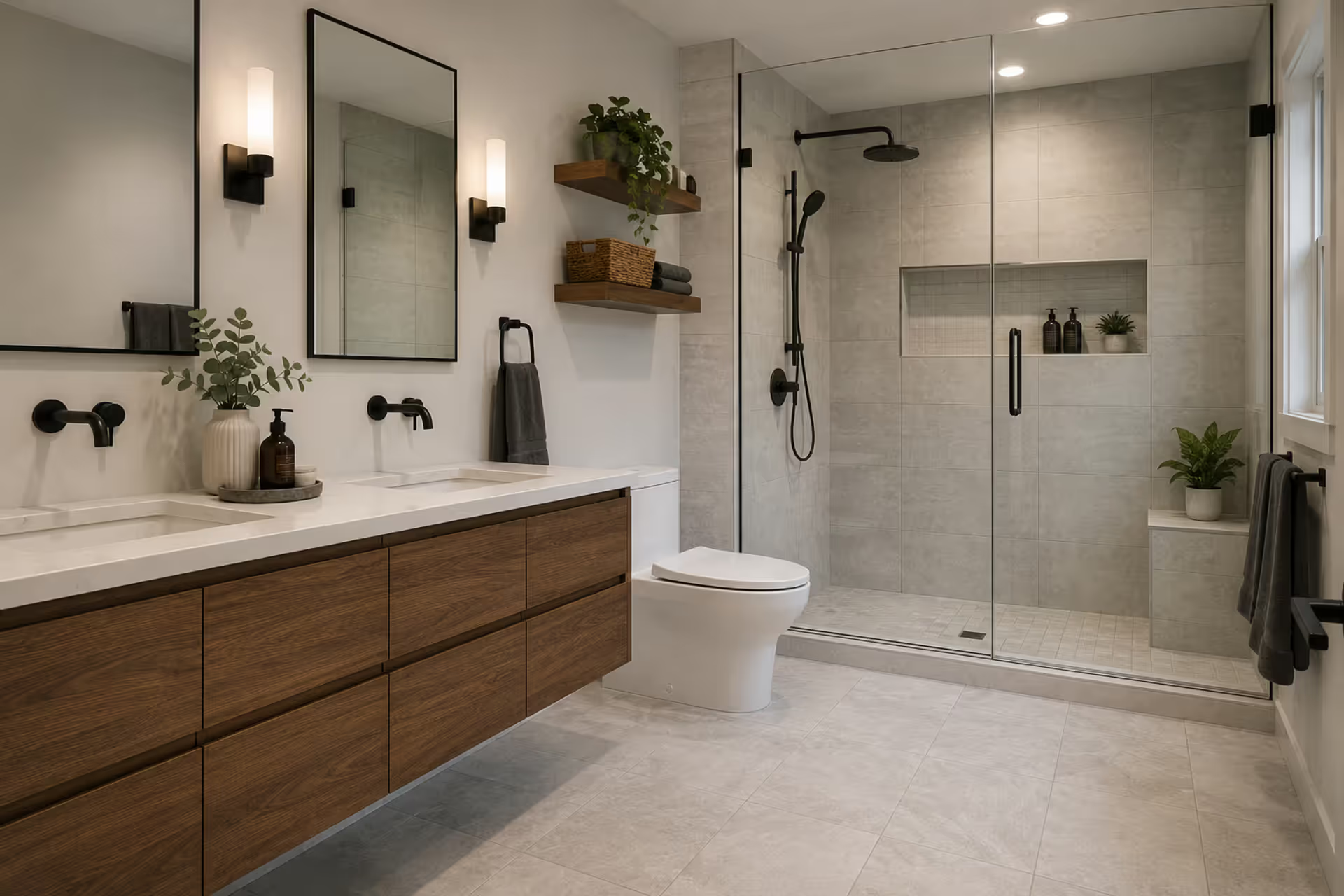
Modern bathroom with new porcelain tile and frameless glass shower
How Much Does It Cost to Retile a Bathroom?

Content
Retiling a bathroom isn't cheap. But it's also not as expensive as you might fear if you know what drives the numbers. Most homeowners spend between $1,800 and $4,500 for a full bathroom retile, though costs can climb much higher depending on materials, size, and labor rates in your area. The trick is understanding where your money goes and what you can control. You'll pay for tile itself, the person installing it, prep work, and all the little decisions that add up fast. Some choices save you hundreds. Others blow your budget without adding much value. Let's break down exactly what you're paying for and how to plan smart.
Average Bathroom Retiling Costs by Size
Size matters more than almost anything else when pricing a retile job. A tiny powder room costs a fraction of what you'd pay for a primary bathroom with a separate shower and tub.
Here's what you can expect across different bathroom sizes:
These ranges assume you're tiling floors and walls up to standard height (around 4–6 feet in wet areas). If you're doing floor only, cut these numbers roughly in half. Full wall-to-ceiling tile in a shower? Add 30–50% more.
The pattern I see most often is homeowners budgeting for the low end and ending up closer to the middle or high end once they factor in prep work and design choices.
Small bathrooms seem like they should be cheap, and they can be. But labor doesn't scale down proportionally. A contractor still needs to make the trip, set up, and work in tight quarters. That's why the per-square-foot cost is often higher in small spaces.
| Bathroom Size | Square Footage | Tile Material Cost | Labor Cost | Total Cost Range |
| Small (5×8 ft) | 40 sq ft | $400–$1,200 | $800–$1,600 | $1,200–$2,800 |
| Medium (8×10 ft) | 80 sq ft | $800–$2,400 | $1,600–$3,200 | $2,400–$5,600 |
| Large (10×12 ft) | 120 sq ft | $1,200–$3,600 | $2,400–$4,800 | $3,600–$8,400 |
What Affects the Cost of Bathroom Tile Installation
Four big factors control what you'll pay. Understanding each one helps you decide where to spend and where to save.
Tile Material and Quality
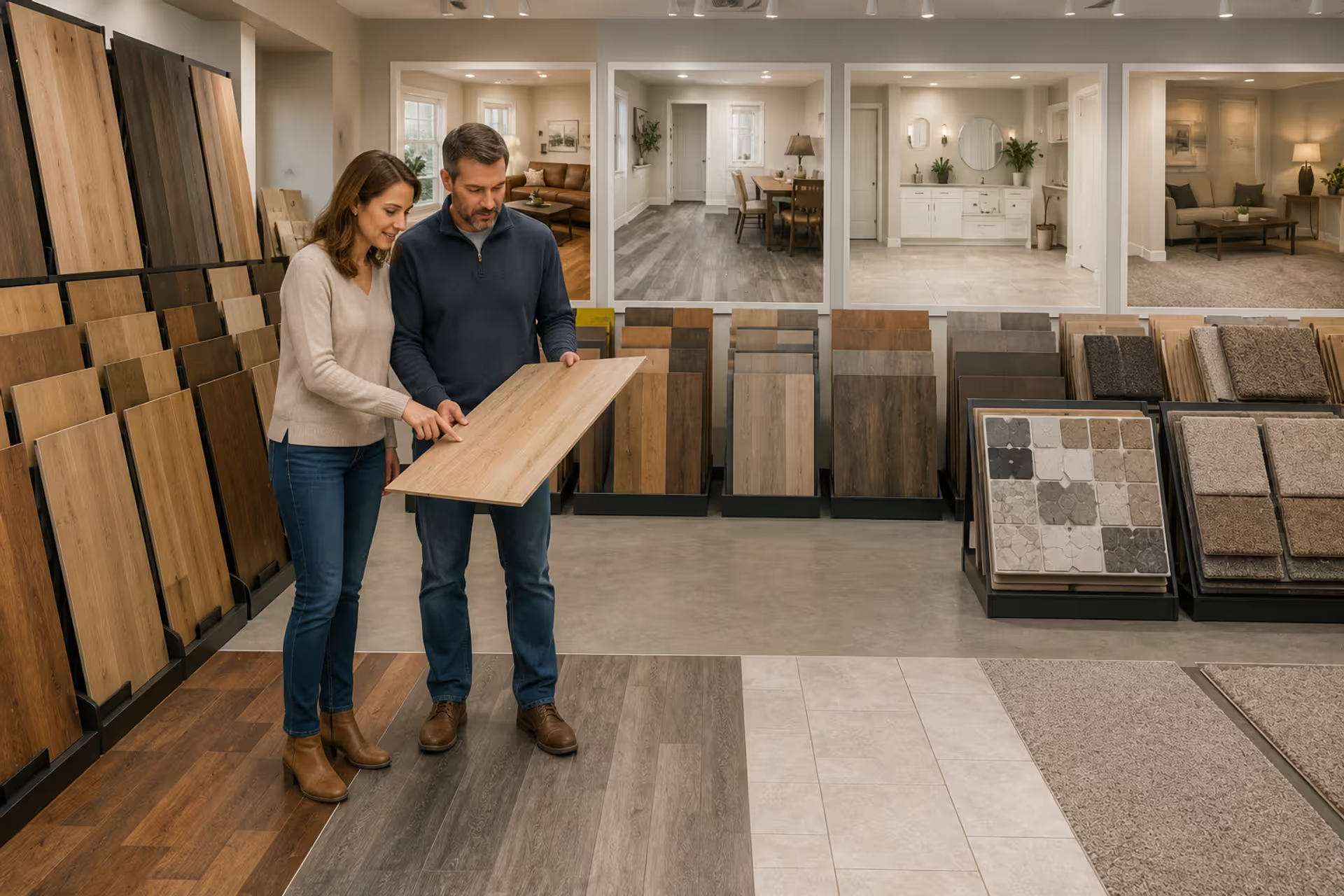
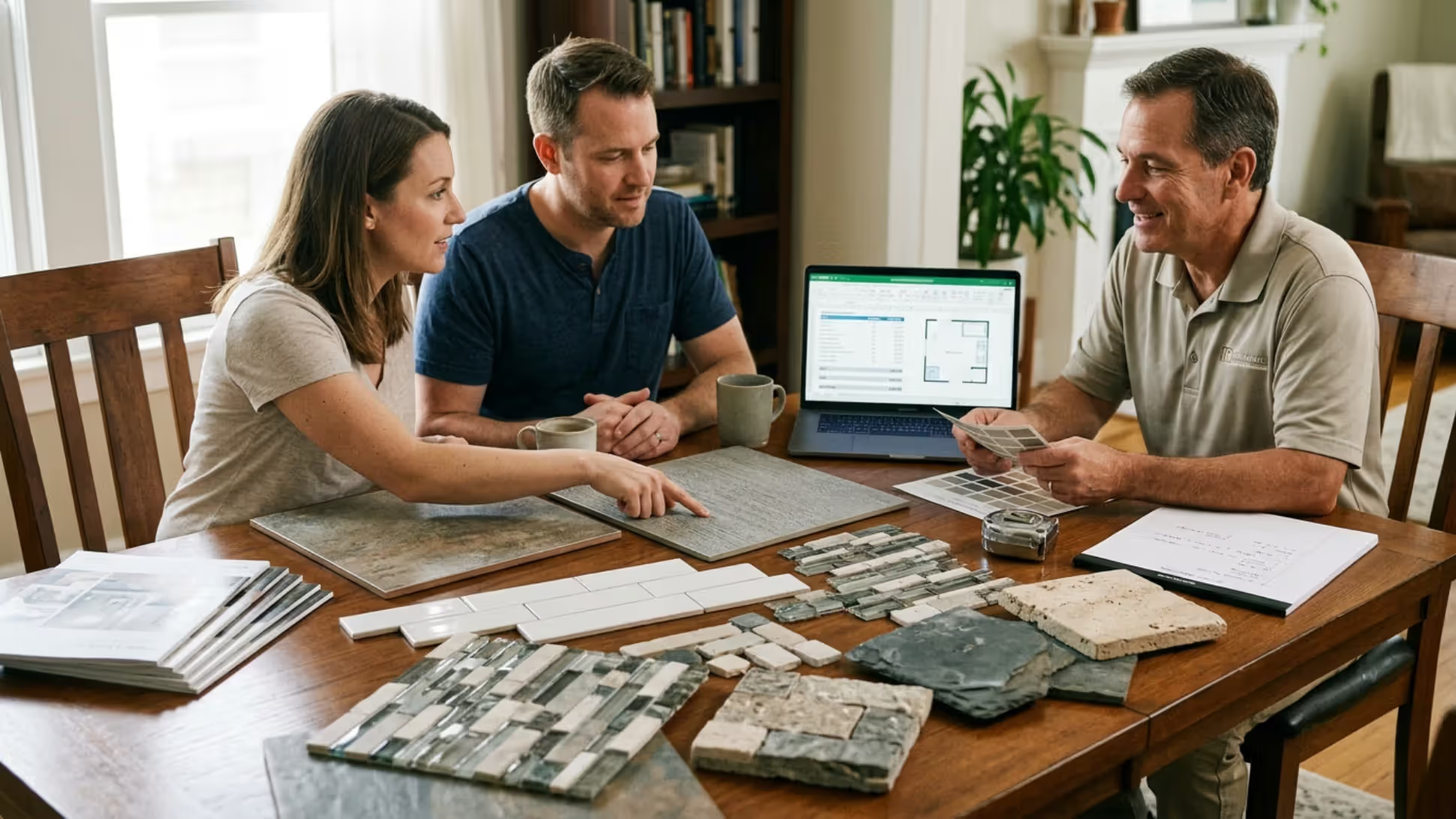
Your tile choice is the most visible cost driver. Ceramic runs $2–$7 per square foot. Porcelain goes $3–$12. Natural stone like marble or travertine? You're looking at $10–$30 per square foot, sometimes more.
But don't just look at the sticker price. Cheaper tiles often mean more waste due to breakage and imperfect sizing. You'll need to order 10–15% extra to account for cuts and mistakes.
Designer tiles with intricate patterns or imported materials can push costs above $50 per square foot. That's before installation. Glass mosaic tiles look stunning but require specialized skills and adhesives, which increases labor costs by 20–30%.
The cheapest option isn't always the best value. Mid-range porcelain offers durability and water resistance that'll outlast budget ceramic by years.
Author: Caleb Norton;
Source: johnhranec.com
Labor and Contractor Rates
Installation labor typically runs $10–$25 per square foot, depending on your location and the contractor's experience. Urban areas with high costs of living see rates at the top of that range or higher.
Contractors usually charge by the square foot for straightforward jobs. Complex layouts, small tiles (anything under 4×4 inches), or specialty patterns shift pricing to hourly rates of $50–$100 per hour.
You're not just paying for tile-setting time. Labor includes surface prep, waterproofing, grouting, sealing, and cleanup. A good installer spends as much time on prep as on actual tile placement.
Expect to pay more for licensed contractors with solid portfolios. They cost 15–25% more than handymen but deliver better results and usually warranty their work.
Removal of Existing Tile
Tearing out old tile adds $3–$7 per square foot to your project. That's pure labor and disposal costs.
The condition of what's underneath matters too. If your subfloor or walls need repair after removal, add another $200–$800. Water damage behind old shower tile? That repair can run $500–$2,000 before you even think about new tile.
Some contractors include basic removal in their quotes. Others charge separately. Always clarify this upfront.
Tile removal creates dust and debris. Lots of it. Factor in cleanup time and potential damage to fixtures you're keeping.
Layout Complexity and Design Choices
Straight-lay patterns (tiles lined up in simple rows) cost the least. Diagonal layouts add 10–15% to labor. Herringbone, chevron, or intricate mosaic patterns? You're looking at 25–50% more.
Multiple tile types in one space increase costs. That accent stripe in your shower or the decorative border around your floor requires extra cuts, planning, and time.
Niche shelves, bench seats, and custom features add $200–$800 each. They look great but require precise cutting and waterproofing.
The biggest mistake homeowners make is changing their mind mid-project. Every design change after work starts adds time and material waste. Decide on your layout, tile, and grout color before the contractor arrives, and you'll save 10–20% on labor costs alone.
— Martinez Carlos
Cost Breakdown by Bathroom Area
Not all bathroom surfaces cost the same to tile. Where you tile matters as much as how much you tile.
Floor tiling runs $8–$20 per square foot installed for standard ceramic or porcelain. A typical 5×8 bathroom floor (40 square feet) costs $320–$800 in labor and materials. Floors are easier to tile than walls, so you get better rates here.
Shower walls cost more due to waterproofing requirements and vertical installation challenges. Expect $12–$30 per square foot. A standard 3×3 foot shower stall with walls up to 8 feet high covers about 72 square feet, running $860–$2,160.
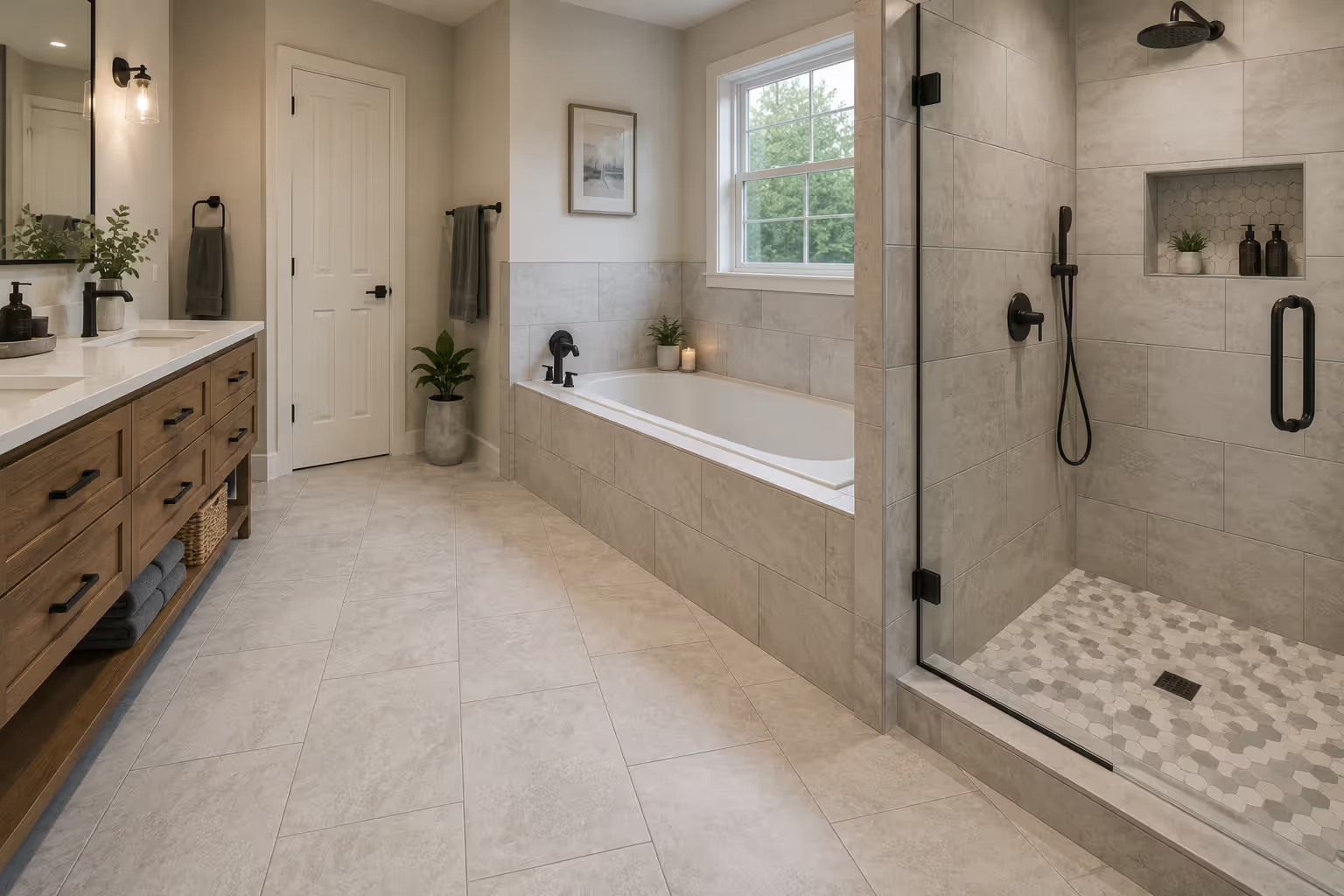
Bathtub surrounds (the three walls around a tub) typically span 50–70 square feet. At $12–$25 per square foot, that's $600–$1,750. Tub surrounds need careful waterproofing and often include trim pieces that increase complexity.
Accent walls or partial wall tiling costs $10–$22 per square foot. Some homeowners tile just behind the vanity or around the toilet area to save money while adding visual interest.
Shower floors require special slip-resistant tiles and precise sloping for drainage. Small-format tiles or pebble tile are common here, running $15–$35 per square foot. A 3×3 shower floor costs $135–$315 just for that small area.
Author: Caleb Norton;
Source: johnhranec.com
The most cost-effective approach? Tile only the wet zones (shower, tub surround, and floor) and use moisture-resistant paint elsewhere.
DIY vs. Professional Tile Installation Costs
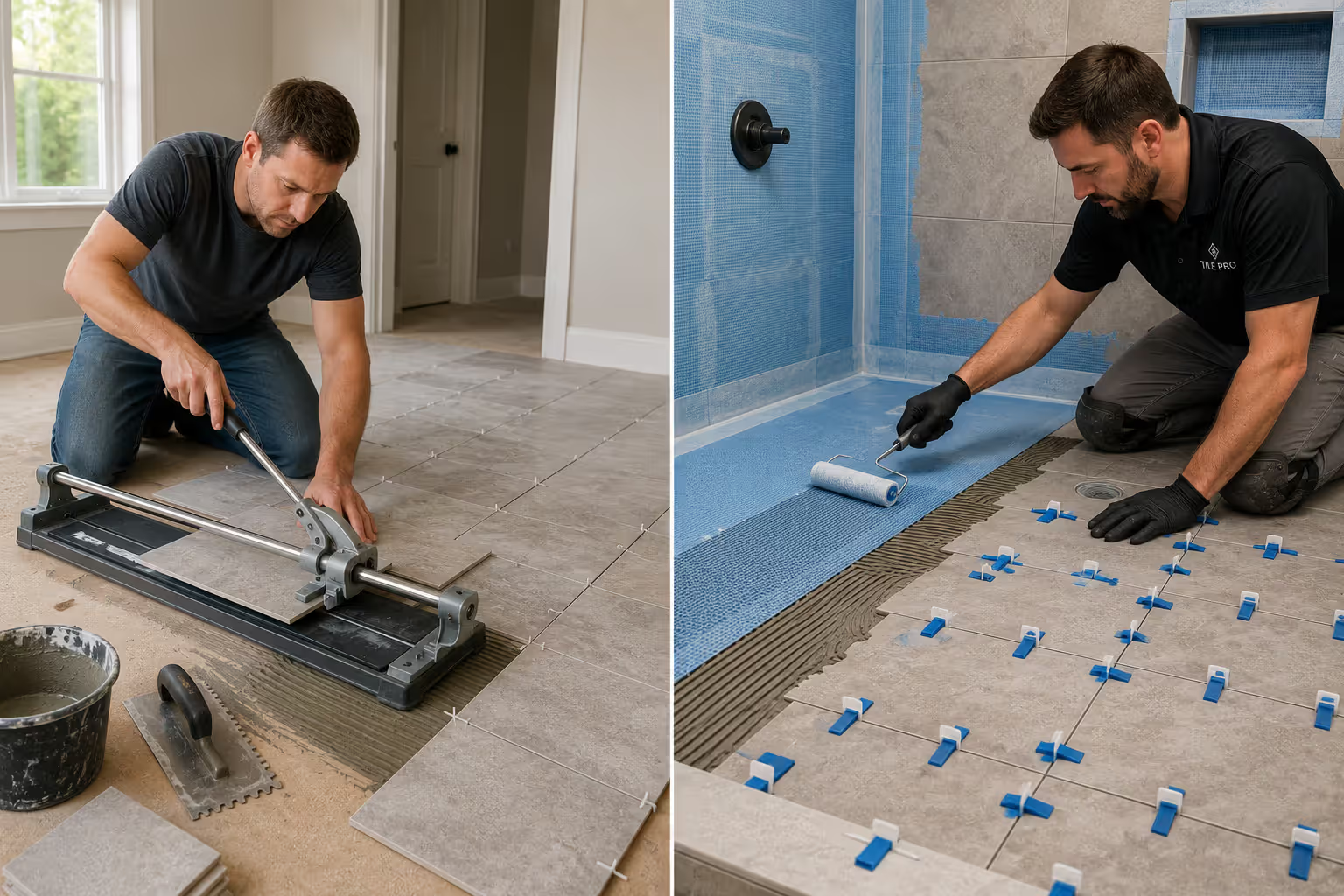
Can you tile a bathroom yourself? Sure. Should you? That depends on your skill level and tolerance for imperfection.
DIY tiling eliminates labor costs, which typically represent 50–60% of the total project expense. For a medium bathroom that would cost $4,000 professionally, you might spend $1,600–$2,000 on materials and tools doing it yourself.
But here's what you need to own or rent:
- Tile cutter or wet saw ($50–$150 rental, $200+ to buy)
- Trowels, spacers, and mixing buckets ($50–$100)
- Level, tape measure, chalk line ($30–$60)
- Grout float and sponges ($20–$40)
- Waterproofing membrane and adhesive ($100–$300)
You'll also need time. A professional knocks out a small bathroom in 2–3 days. First-timers often take 1–2 weeks, working evenings and weekends.
Author: Caleb Norton;
Source: johnhranec.com
The real risk is mistakes. Improper waterproofing leads to mold and structural damage costing thousands to fix. Uneven tiles look amateurish and can't be easily corrected once the adhesive sets. Poor grout work allows water penetration.
DIY makes sense for small, low-stakes projects like a powder room floor. For showers and wet areas, hire a pro. Water damage from installation errors will cost more than you saved.
One middle-ground option: hire a contractor just for the shower and waterproofing, then DIY the floor yourself. This splits the savings while protecting your biggest risk area.
How to Budget for Your Bathroom Retiling Project
Smart budgeting starts with getting multiple quotes. Aim for three detailed estimates from licensed contractors. Don't just compare total numbers—look at the breakdown.
Add 15–20% to your budget for contingencies. You'll almost certainly encounter surprises: damaged substrate, outdated plumbing that needs updating, or extra materials needed for cuts and waste.
Get quotes in writing with specific materials listed. "Standard ceramic tile" isn't specific enough. You want brand names, model numbers, and square footage calculations.
Ask about payment schedules. Reputable contractors typically want 10–20% upfront, 40–50% at the midpoint, and the remainder upon completion. Never pay the full amount before work finishes.
Factor in these often-forgotten costs:
- Permits if required ($50–$200)
- Temporary bathroom arrangements if it's your only one
- Touch-up paint and trim work after tiling
- New fixtures or hardware to match your updated tile
- Disposal fees for old materials ($100–$300)
Consider timing your project during contractor slow seasons (usually late fall through early spring in most regions). You might negotiate 10–15% off standard rates when work is scarce.
Buy your own tile if you're comfortable with it. Contractors often mark up materials 20–40%. But be aware: if you supply materials, the contractor won't warranty them, only the installation.
Bathroom Retiling Ideas and Design Considerations
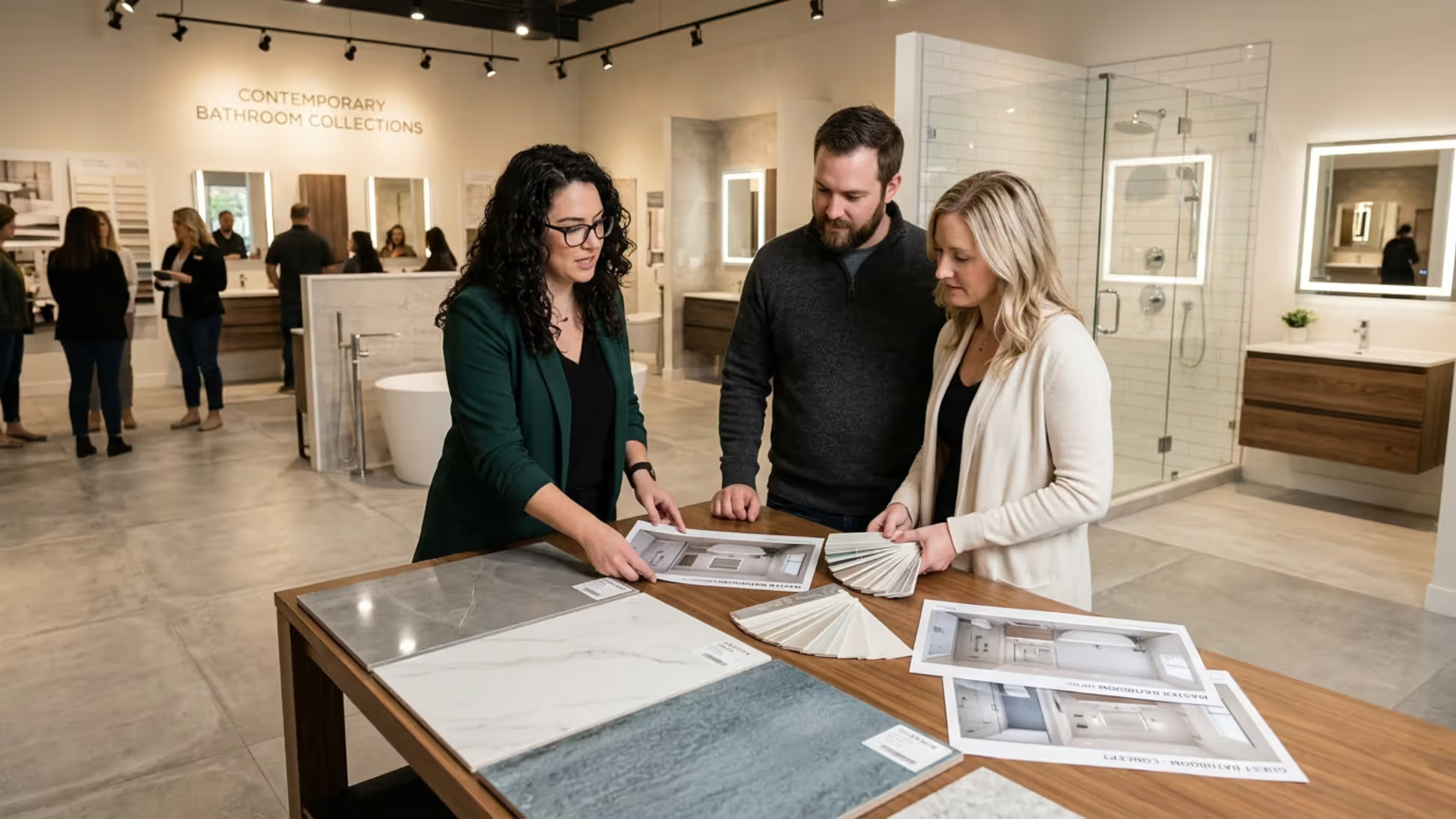
Tile choice shapes your bathroom's entire look. Trends shift, but smart design choices hold value regardless of style changes.
Author: Caleb Norton;
Source: johnhranec.com
Modern bathroom renovation styles lean toward large-format tiles (12×24 inches or bigger) in neutral colors. These minimize grout lines, making spaces feel larger and cleaning easier. Matte finishes are replacing glossy tiles in contemporary designs.
White subway tile isn't going anywhere. It's been popular for a century because it works. But consider alternatives like elongated hexagons, vertical stacking patterns, or colored grout to make it feel fresh.
Small bathroom renovation ideas focus on visual tricks. Light-colored tiles make cramped spaces feel bigger. Running floor tiles diagonally extends sightlines. Taking shower tile all the way to the ceiling adds height.
Avoid tiny mosaic tiles on large surfaces in small bathrooms. They create visual clutter. Save mosaics for small accent areas or shower floors where they serve a functional purpose (slip resistance).
Bathroom renovation before after transformations show that tile color and pattern dramatically impact perceived size and style. A dark, dated bathroom with small busy tiles can feel twice as large with 12×24-inch light gray porcelain in a simple pattern.
Wood-look porcelain tile offers warmth without the moisture problems of real wood. It's become the go-to choice for homeowners wanting a spa-like feel.
Accent walls or niches in contrasting tile add visual interest without breaking the budget. A single wall in patterned cement tile or natural stone creates a focal point while keeping costs down.
One counterintuitive tip: grout color matters more than you think. Light grout shows dirt and requires more maintenance. Dark grout hides stains but can make a space feel choppy if overused. Medium gray is the sweet spot for most installations.
Before-and-after photos consistently show that cohesive design beats trendy choices. A simple, well-executed tile job in timeless materials outperforms a busy, trendy design that'll feel dated in five years.
FAQ: Bathroom Retiling Cost Questions Answered
Retiling transforms a bathroom more dramatically than almost any other single upgrade. You're looking at $1,800–$4,500 for most projects, with size, materials, and labor driving the final number.
The smartest approach? Invest in quality tile and professional installation for wet areas. Cut costs on materials for less critical spaces if you need to save money. Get multiple detailed quotes, add a contingency buffer, and don't change your mind once work starts.
Good tile work lasts 15–20 years or more. That breaks down to just a few dollars per month over its lifespan. Cheap installation that fails in three years costs far more in the long run.
Plan carefully, choose your materials thoughtfully, and hire skilled installers for the critical work. Your bathroom will look great and function properly for years to come.