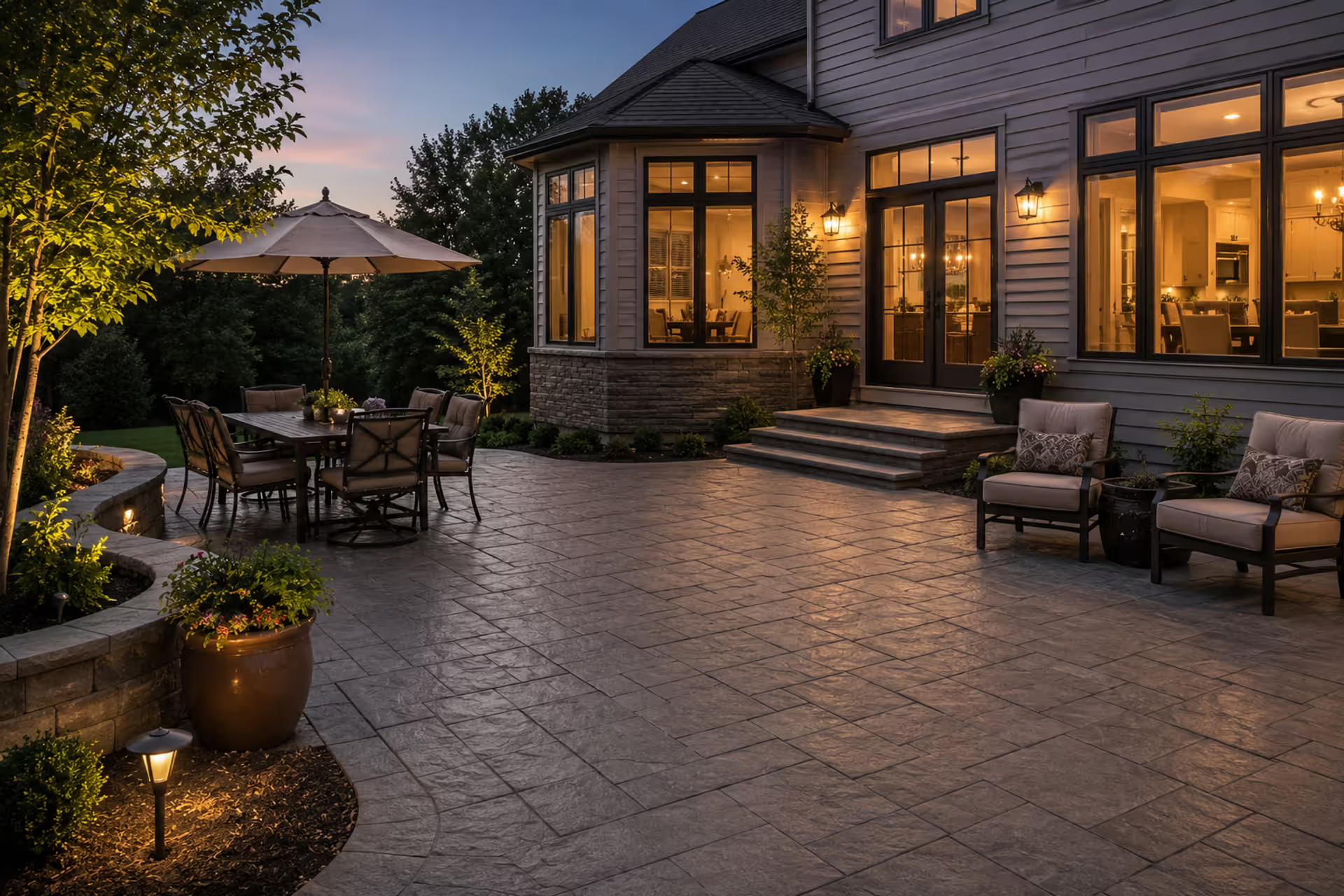
Finished stamped concrete patio with outdoor dining and seating area
How Much Does It Cost to Build a Patio?

Content
Building a patio creates valuable outdoor living space, but the price tag varies dramatically based on your choices.
Typical patio projects cost homeowners anywhere from $3,000 to $12,000. This wide spread reflects differences in materials, square footage, ground conditions, and extras like overhead structures or decorative treatments. A straightforward concrete pad costs substantially less than an intricately designed stamped surface with hand-applied color treatments and custom edge details.
Here's what you'll actually pay for various patio configurations and dimensions.
Average Patio Cost by Material Type
Your material selection influences the budget more than any other factor. Each choice presents unique pricing structures and performance characteristics.
Concrete delivers the most economical option at $6–$15 per square foot when professionally installed. It provides excellent durability and requires minimal upkeep. The limitation? Standard concrete offers limited aesthetic appeal.
Stamped concrete introduces decorative elements for $12–$25 per square foot. Contractors create textured surfaces resembling stone, brick, or tile while keeping costs well below authentic versions of these materials.
Pavers deliver installation versatility and simplified maintenance. Budget $15–$30 per square foot. Damaged sections can be swapped out without disturbing surrounding areas.
Flagstone delivers organic beauty with premium costs at $20–$35 per square foot. Each installation creates a completely unique appearance.
Brick provides timeless character at $18–$30 per square foot. This centuries-old material continues delivering reliable performance.
Material performance comparison:
| Material | Cost Per Sq Ft | Maintenance Level | Typical Lifespan | Best For |
| Plain Concrete | $6–$15 | Low | 25–30 years | Cost-effective installations |
| Stamped Concrete | $12–$25 | Low to Medium | 25+ years | Enhanced appearance on moderate budgets |
| Pavers | $15–$30 | Medium | 30–50 years | Flexible layouts, simplified repairs |
| Flagstone | $20–$35 | Medium to High | 50+ years | Organic aesthetics, premium installations |
| Brick | $18–$30 | Medium | 50+ years | Classic or formal styling |
Most homeowners I've observed select stamped concrete. It balances affordability with attractive finished appearance.
Cost Breakdown for Concrete Patios
Concrete patios lead the market due to their affordability, longevity, and adaptability.
Total concrete patio expenses include raw materials, professional installation, ground preparation, and surface treatments. Raw materials generally represent 30–40% of your final invoice, with labor consuming the balance.
A straightforward 200-square-foot concrete patio (approximately 14x14) runs $1,200–$3,000. This assumes a basic slab with standard preparation procedures.
Stamped concrete covering identical square footage costs $2,400–$5,000. The premium covers additional work—applying pattern templates, integrating color treatments, and properly sealing finished surfaces.
Geographic location creates price variations. Concrete contractors charge more in metropolitan centers and coastal markets. A patio costing $3,500 in Midwest locations might reach $5,500 in Southern California markets.
How Much Does a 20x20 Concrete Patio Cost
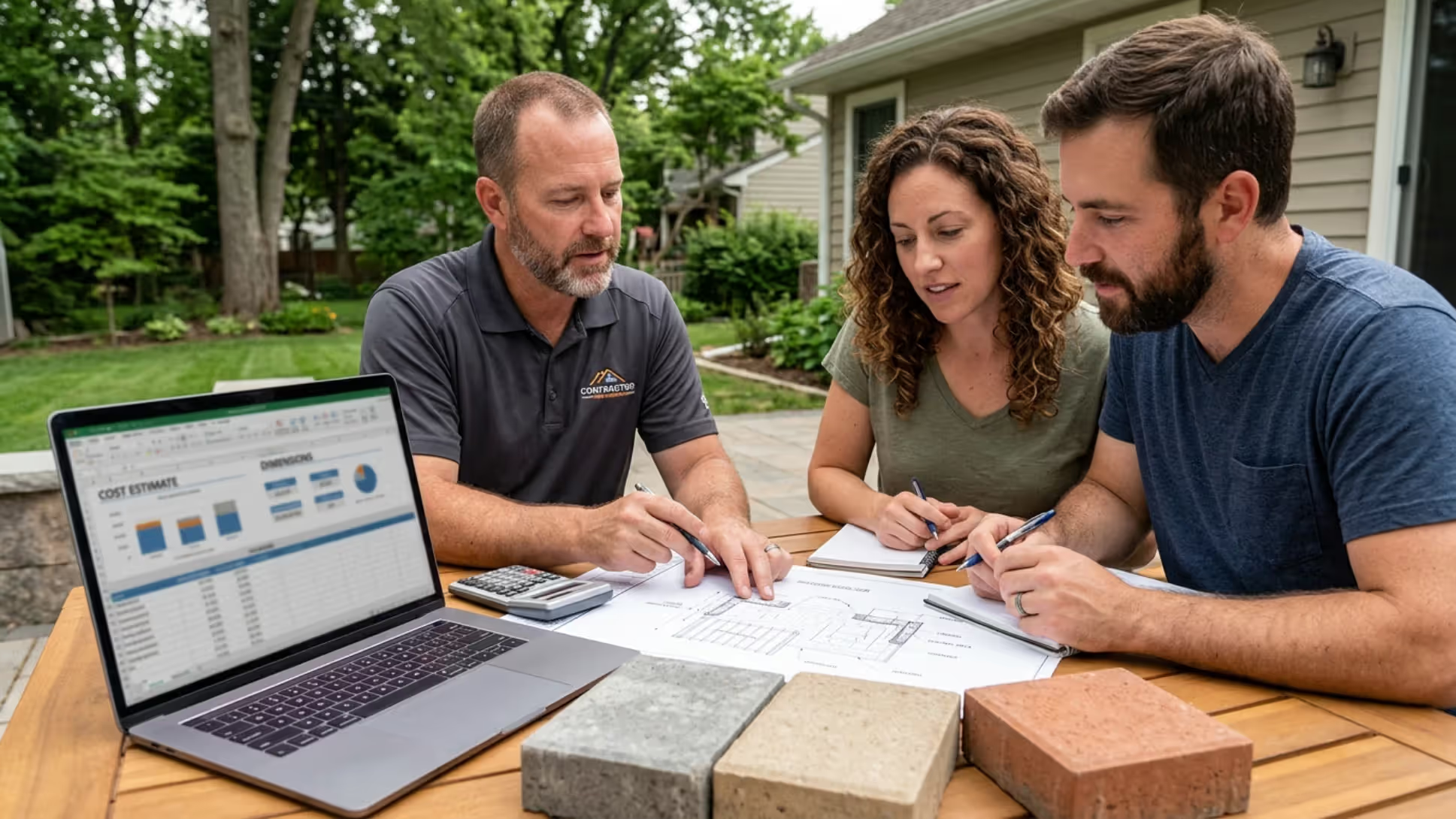
A 20x20 configuration provides 400 square feet—sufficient for dining furniture, grilling station, and several lounge chairs.
Author: Nathan Cole;
Source: johnhranec.com
Plain concrete installations range from $2,400–$6,000. Average projects settle around $4,000 for standard installation including appropriate base layers and finishing work.
Lower pricing assumes favorable conditions—level terrain, adequate drainage, convenient equipment access. Higher costs reflect grading requirements, increased thickness for heavy furnishings, or decorative edging treatments.
Base materials deserve attention. Compacted gravel foundations prevent settling and cracking. This foundation work typically adds $400–$800 to total project expenses.
How Much Does a 20x20 Stamped Concrete Patio Cost
Identical 400-square-foot area with decorative finishing. Stamped concrete for this dimension costs $4,800–$10,000.
Price variations reflect design intricacy. Straightforward patterns using single-color applications cost less. Complex designs incorporating multiple hues, hand-detailed borders, and specialty stamps increase expenses.
Common dimension pricing reference:
| Patio Size | Plain Concrete Cost | Stamped Concrete Cost |
| 10x10 (100 sq ft) | $600–$1,500 | $1,200–$2,500 |
| 12x12 (144 sq ft) | $860–$2,160 | $1,730–$3,600 |
| 16x16 (256 sq ft) | $1,540–$3,840 | $3,070–$6,400 |
| 20x20 (400 sq ft) | $2,400–$6,000 | $4,800–$10,000 |
These figures reflect standard depth specifications and typical ground conditions. Your specific costs will vary based on local factors.
Factors That Affect Patio Construction Costs
Ground conditions can dramatically increase your expenses—or create unexpected savings.
Author: Nathan Cole;
Source: johnhranec.com
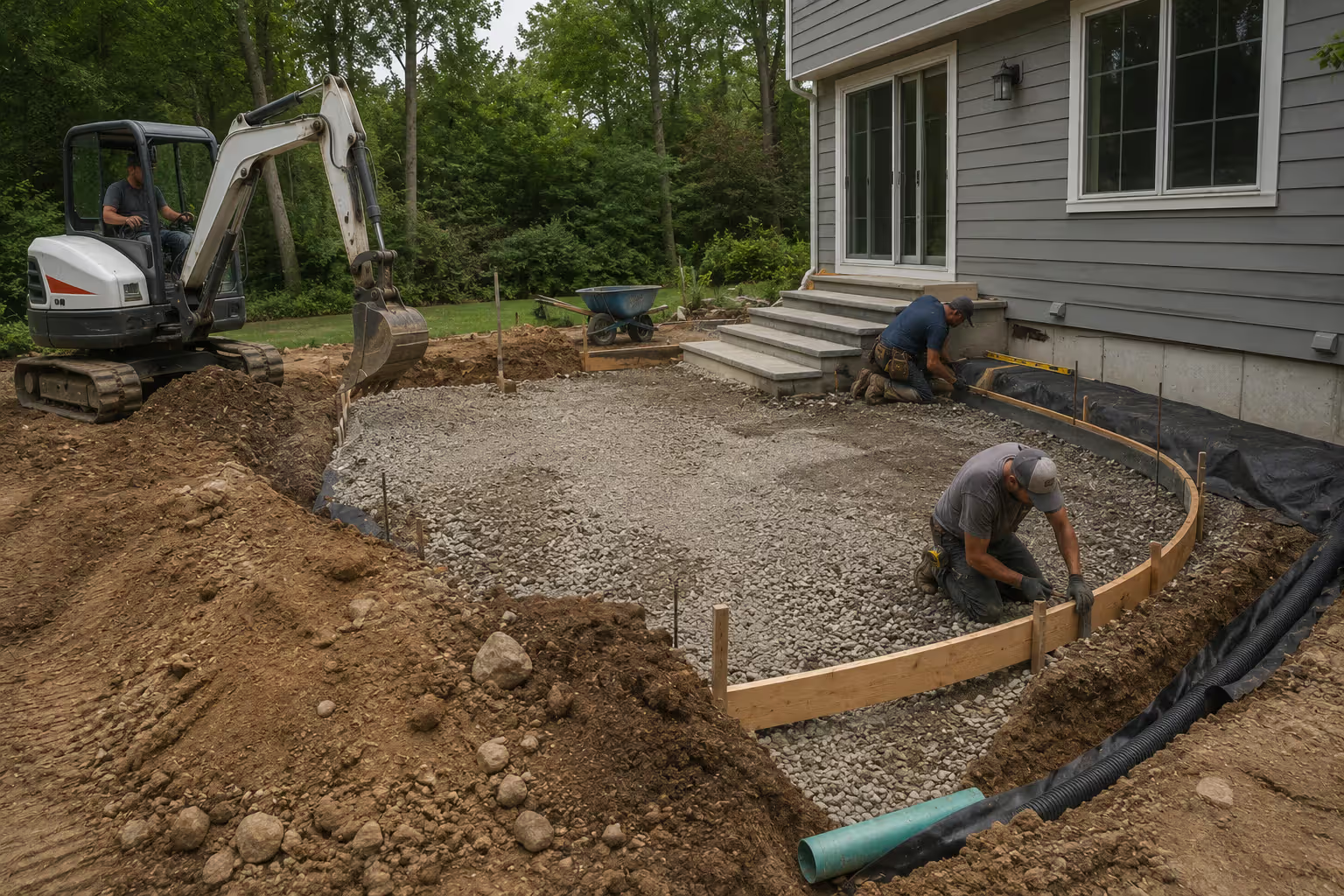
Grading and excavation services add $500–$2,500 based on required work volume. Sloped properties demand more extensive preparation. Inadequate drainage requires installing water management systems directing moisture away from structures.
Permit fees cost $100–$500 across most jurisdictions. Some municipalities exempt simple ground-level patios from permitting. Others mandate engineered drawings and inspection protocols. Verify local regulations before starting construction.
Site accessibility impacts pricing more than most homeowners realize. Limited equipment access to backyards increases labor expenses. Crews may need to manually transport materials through interior spaces or hand-mix concrete.
Demolishing existing structures increases total costs. Removal services for old patios run $2–$6 per square foot—before new construction begins.
Design intricacy affects installation time. Curved layouts, elevation changes, and integrated planting areas all increase labor hours. Simple rectangular or square configurations minimize expenses.
How Thick Should a Concrete Patio Be
Residential patios typically require 4-inch depth. This specification handles pedestrian traffic and standard outdoor furniture without structural concerns.
Increase depth to 5–6 inches when planning vehicle parking or positioning heavy elements like spa installations or outdoor cooking stations. The additional inch increases material costs roughly 25% while preventing structural failure.
Reinforcement improves structural integrity. Wire mesh costs $0.25–$0.50 per square foot. Rebar runs $0.50–$1.00 per square foot while delivering superior crack prevention.
A frequent error? Reducing depth specifications to save several hundred dollars upfront. Replacing failed concrete surfaces costs exponentially more than proper initial construction.
Homeowners often prioritize the lowest upfront quote without considering longevity. A patio costing $1,000 less initially but developing cracks within three years delivers poor value. Proper foundation preparation, correct depth specifications, and quality finishing determine whether your installation lasts one decade or four.
— Martinez Carlos
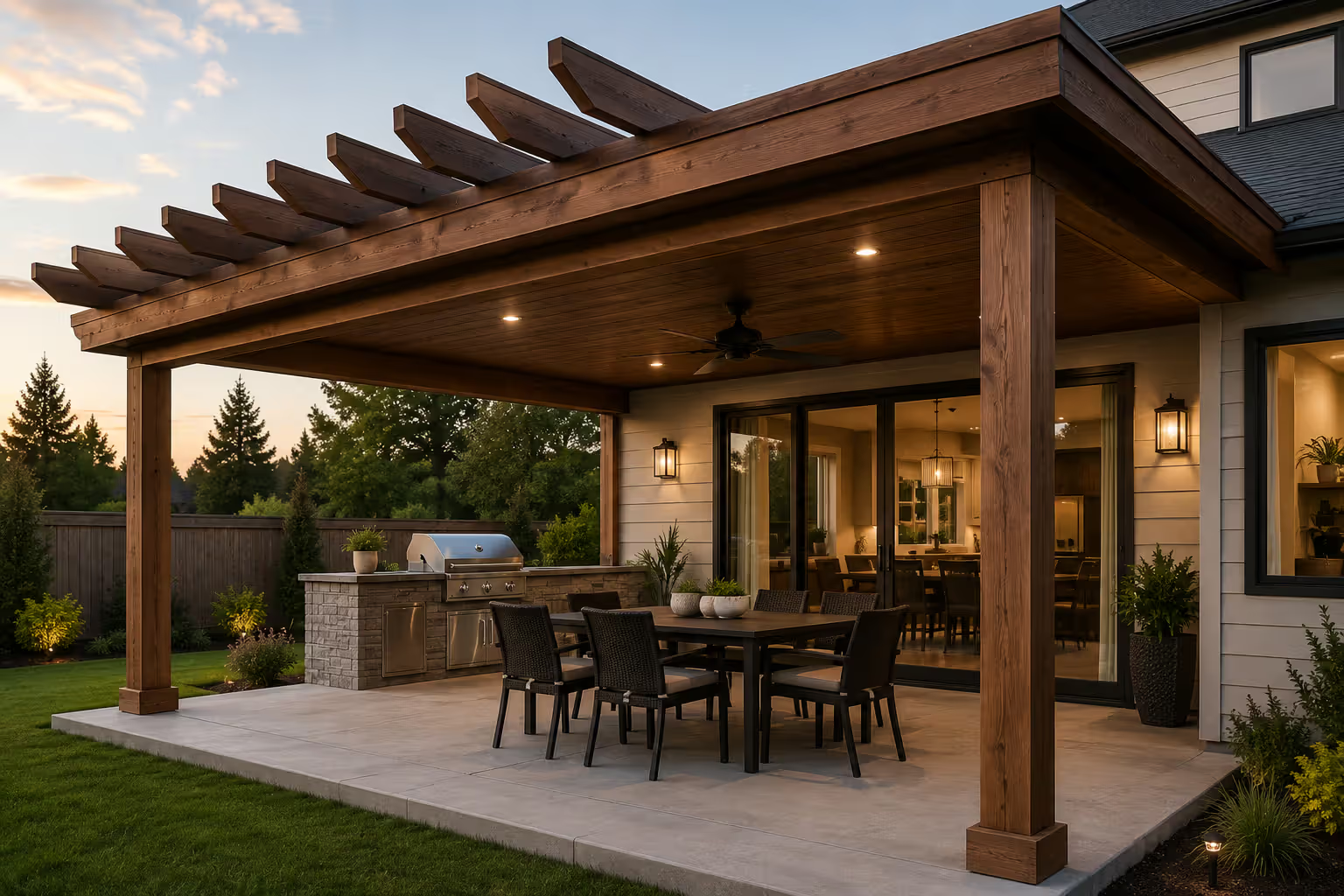
Cost to Add a Patio Cover or Roof
Covered patios extend outdoor season usability while expanding project budgets.
Basic aluminum cover systems cost $3,000–$8,000 for 12x12 coverage. These manufactured units install rapidly and demand minimal ongoing maintenance.
Wood structures provide visual warmth and customization flexibility. Expect $4,000–$12,000 for comparable coverage. Cedar and redwood species naturally resist decay but command higher prices than pressure-treated pine.
Vinyl pergola systems run $5,000–$15,000. They eliminate painting requirements and resist weather deterioration, though they can't support loads comparable to some wood designs.
Attached versus freestanding structures affect pricing. House-attached designs cost less since existing architecture provides partial support. Freestanding covers require independent foundations and complete structural frameworks.
Author: Nathan Cole;
Source: johnhranec.com
Solid roofing systems exceed lattice or open pergola pricing. Complete roof coverage with integrated gutters and drainage management runs $8,000–$20,000 for 12x16 areas. You're essentially constructing an outdoor room.
Permits typically apply to overhead structures. Plan for approval timelines and associated fees. Some homeowner associations prohibit or restrict patio covers, so verify regulations during planning stages.
Covering existing patio surfaces ranges from $15–$50 per square foot depending on material selection and structural complexity. A 200-square-foot cover typically costs $3,000–$10,000.
Planning Your Patio Project
Thoughtful planning prevents costly errors and rework.
Dimensions matter, though maximum size doesn't guarantee optimal results. A 12x12 patio accommodates compact dining sets. A 16x16 configuration handles dining plus conversation groupings. Most families discover 300–400 square feet provides ideal entertaining capacity.
Positioning affects daily usability. Consider morning sun exposure versus afternoon shade patterns. Evaluate sight lines and privacy concerns. Factor in kitchen proximity for serving convenience. These choices determine actual usage frequency.
Water management requires serious attention. Proper patio installations slope 1/4 inch per linear foot away from buildings. Standing water against foundations creates expensive structural problems. Allocate $500–$1,500 for drainage solutions if your property presents challenges.
Configuration and layout generate visual interest. L-shaped designs establish distinct functional zones. Curved boundaries soften visual impact while increasing material cutting and installation time.
Construction duration varies by material choice. Concrete patios require 3–7 days from excavation through finishing, plus 7–10 additional days for curing before use. Paver installations take longer during construction but become immediately usable.
Renovation planning often centers on enhancing existing features. Expansion projects sometimes cost less than complete replacement. Adding 50–100 square feet to current patios may prove more economical than starting fresh.
Ways to Reduce Patio Construction Costs
Strategic approaches reduce expenses without compromising quality.
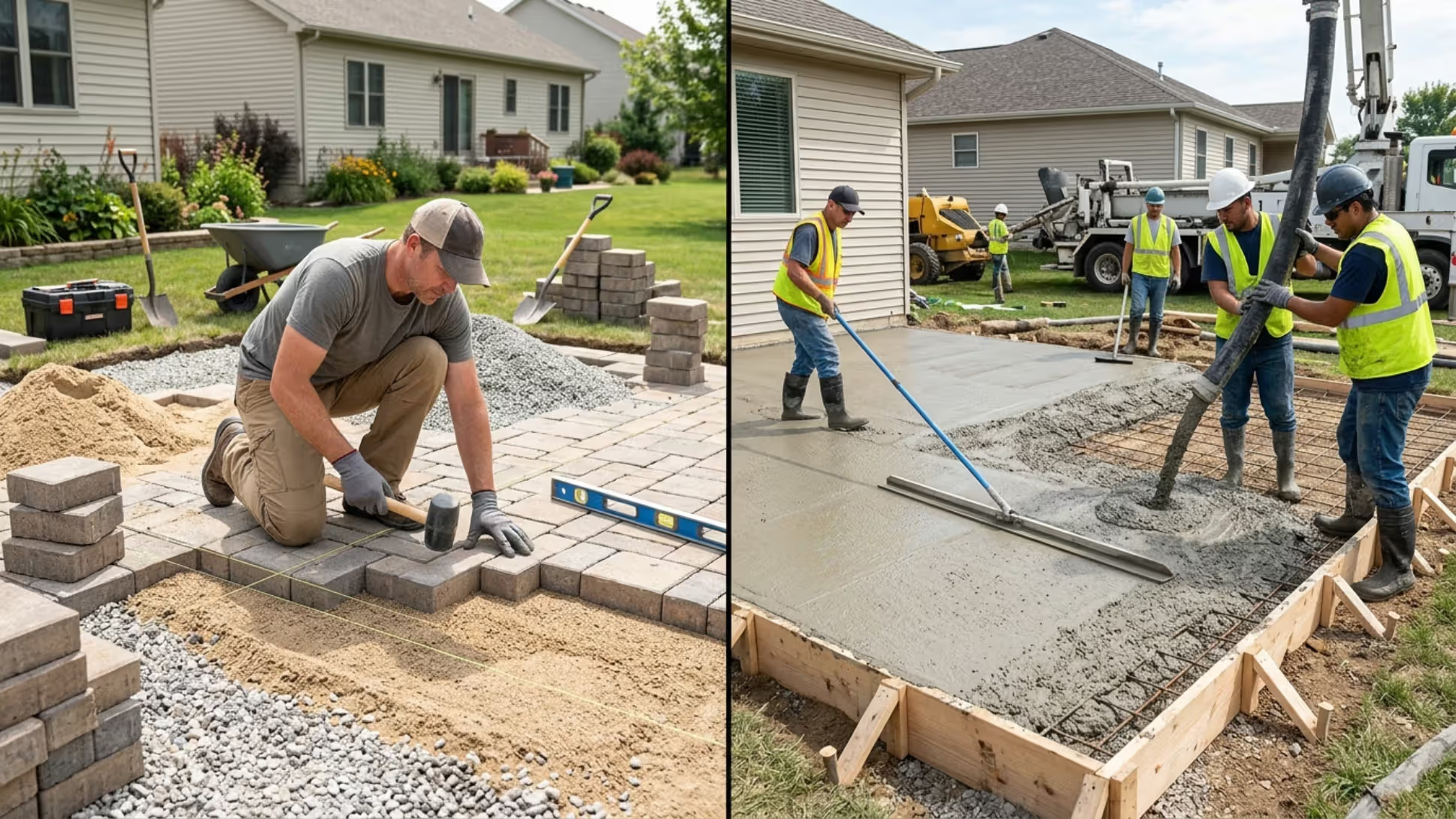
Self-installation eliminates 40–60% of labor charges. Concrete work demands specific skills, but paver installation remains accessible to determined DIYers. Equipment rental costs $50–$100 daily versus $500–$1,000 for purchases. Rent what you need rather than buying.
Strategic scheduling provides advantages. Contractors offer competitive rates during slower periods—generally late fall through winter in most regions. You'll also receive faster scheduling and more focused attention.
Author: Nathan Cole;
Source: johnhranec.com
Alternative materials create savings opportunities. Gravel patios cost just $2–$5 per square foot installed. They work effectively for informal spaces and accept future upgrades. Crushed stone surrounding a fire feature creates welcoming gathering spaces with minimal investment.
Staged construction distributes expenses across multiple periods. Install the basic patio now, add overhead coverage next year. Begin with 200 square feet and expand when budget allows. This strategy also validates layout functionality before committing to larger investments.
Maintain design simplicity. Straight edges cost less than curves. Single-level installations beat multi-tier designs. Monochromatic treatments cost less than multi-color applications.
Never compromise foundation quality. Proper excavation and compacted aggregate prevent settling and cracking. Saving $300 on foundation preparation can generate $3,000 in future repair costs.
FAQ: Patio Construction Cost Questions Answered
Patio construction represents substantial investment in property and lifestyle enhancement. Costs span from several thousand dollars for straightforward concrete installations to $20,000 or beyond for elaborate covered configurations.
Begin with defined budget parameters and realistic needs assessment. A straightforward 16x16 concrete patio might deliver better value than an undersized stamped design that exhausts available funds. Features can always be added during future phases.
Obtain multiple estimates from licensed professionals. Pricing varies considerably, and the lowest proposal doesn't always represent optimal value. Inquire about warranty coverage, completion schedules, and scope of included services.
Evaluate lifecycle costs beyond installation expenses. Premium materials commanding higher upfront costs often require less maintenance and deliver extended service life. A properly sealed stamped concrete patio maintained every few years outperforms inexpensive pavers requiring replacement within a decade.
Consider actual usage patterns. Morning coffee rituals? Evening meal service? Large social gatherings? Your intended activities should drive dimension and feature selections more than arbitrary spending limits.
Properly executed patios enhance properties for multiple decades. Invest adequate time in planning, establish realistic budgets, and select quality materials. You'll appreciate these decisions each time you enjoy your outdoor space.