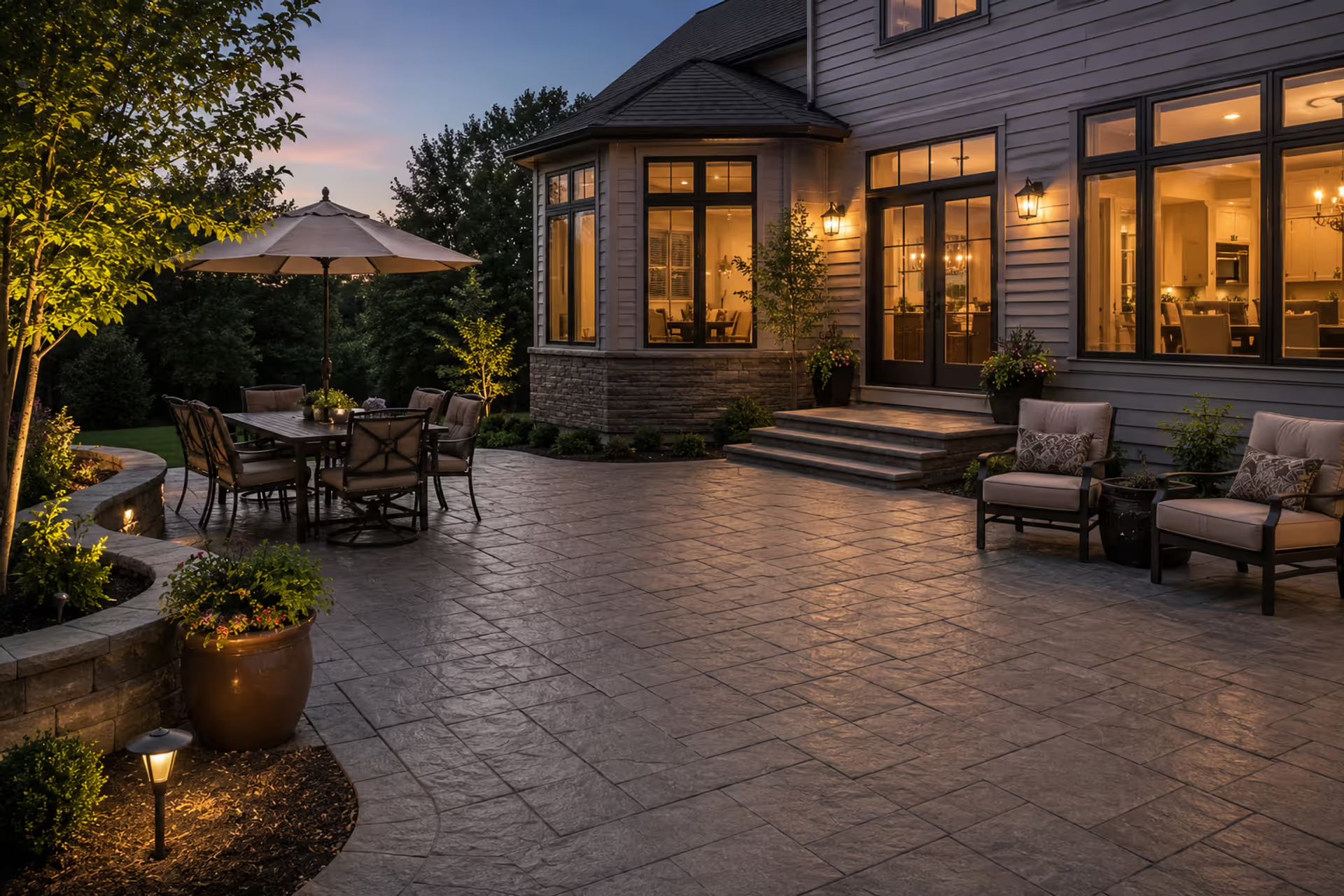
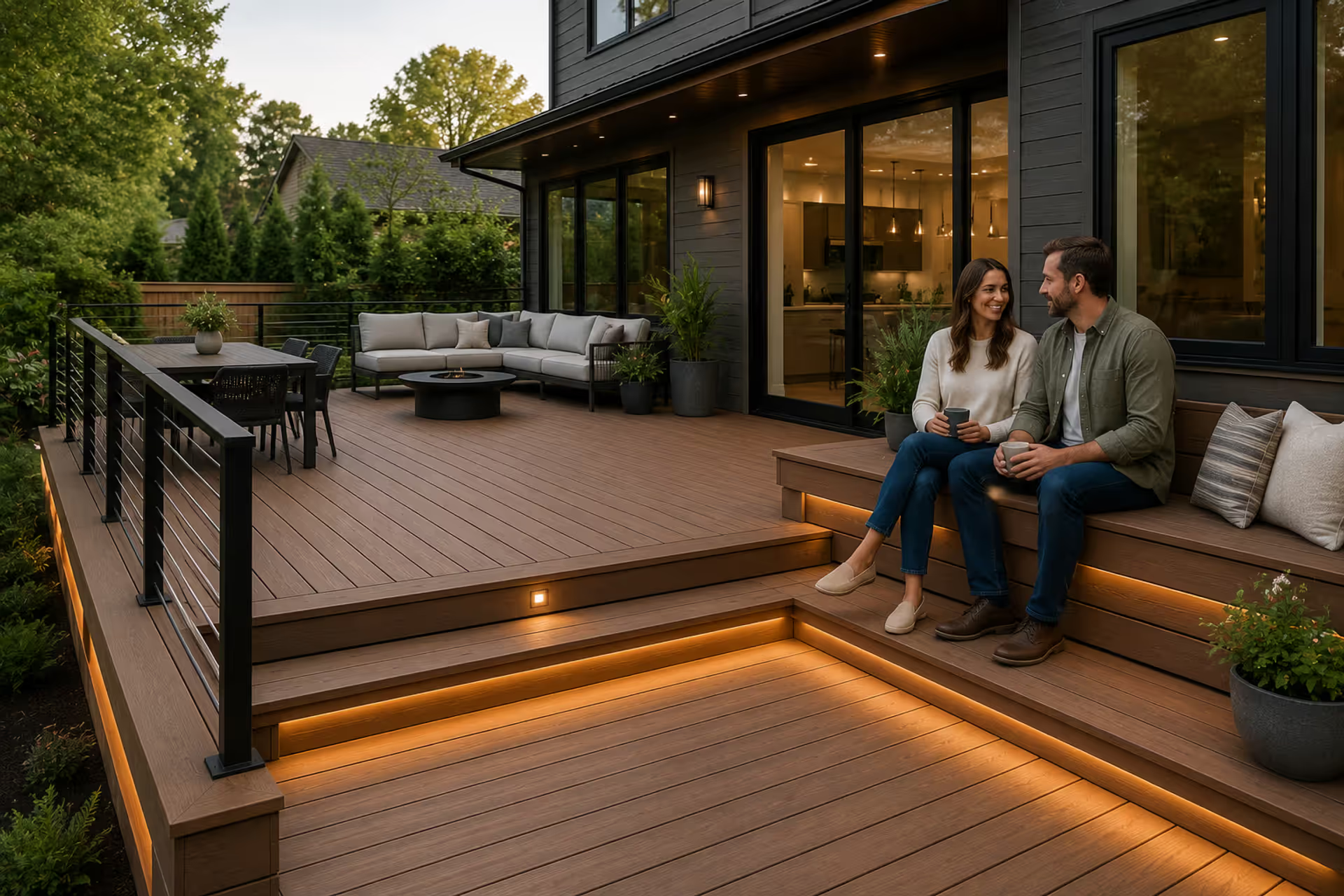
Modern remodeled deck with composite boards, black railings, and built-in seating
Deck Remodel Guide for Homeowners

Content
Your deck tells a story. Right now, that story might involve splintered boards, wobbly railings, or a tired gray finish that's seen better days. But here's the good news: you don't always need to tear everything down and start from scratch. A strategic deck remodel can transform your outdoor space without the full replacement price tag. The trick is knowing when to repair, what to update, and how to plan a project that actually fits your timeline and budget.
When to Remodel Your Deck Instead of Replacing It
Not every aging deck needs a funeral. Many can be brought back to life with targeted updates.
Start with the bones. Get underneath and check the support posts, beams, and joists. If these structural elements are solid—no rot, no significant cracks, no insect damage—you've got a foundation worth building on. Surface issues like faded boards or outdated railings? Those are cosmetic problems with cosmetic solutions.
Here's the age question everyone asks: how old is too old? For pressure-treated wood decks, anything under 15 years with good structural integrity is typically a remodel candidate. Composite decks often last 25-30 years before needing replacement. But age isn't everything. A poorly maintained 8-year-old deck might be worse than a well-cared-for 20-year-old one.
The pattern I see most often is homeowners replacing entire decks when they really just need new decking boards and railings. That's like buying a new car because you need new tires.
Look for these red flags that signal replacement over remodel:
- More than 25% of joists show rot or damage
- Support posts are compromised at ground level
- The ledger board (where deck attaches to house) is pulling away or rotted
- The deck wasn't built to code and has fundamental structural issues
- You're changing the deck's footprint or height significantly
Cost becomes the deciding factor when repair approaches 50-60% of replacement cost. At that point, you're better off starting fresh with modern materials and an updated design.
But if you're looking at surface wear, outdated style, or specific problem areas? Remodeling wins every time. You'll spend less, finish faster, and still get that dramatic transformation you're after.
Planning Your Deck Renovation Project
Good planning separates smooth projects from nightmares. You need three things nailed down before the first board comes up: budget, timeline, and permissions.
Let's talk permits first because people love to skip this step. Most deck remodels that involve structural changes, electrical work, or expanding the footprint require permits. Even replacing railings might need approval if you're changing the height or style significantly. Call your local building department. A five-minute conversation beats a stop-work order and fines.
HOA rules deserve their own mention. If you've got one, submit your plans early. Some associations want to approve everything down to the stain color. Build in 2-4 weeks for their review process.
Seasonal timing matters more than you'd think. Spring and fall are the sweet spots—mild temperatures, lower humidity, and contractors aren't as slammed. Summer works but expect higher prices and longer waits. Winter? We'll cover that in the FAQ.
The DIY versus contractor decision comes down to scope and skill. Replacing decking boards and refinishing? That's doable for handy homeowners. Structural repairs, building codes, ledger board work? Hire a pro. The middle ground—doing demo and prep yourself, then bringing in a contractor for technical work—can save money without compromising safety.
Get at least three quotes. But don't just compare numbers. Ask about timeline, materials, warranty, and who's actually doing the work. The lowest bid often comes with corners cut somewhere.
How Long Does a Deck Remodel Take
Author: Caleb Norton;
Source: johnhranec.com
Timelines vary wildly based on scope, but here are realistic expectations for common projects:
A simple refinishing job (cleaning, repairs, new stain) takes 3-5 days with proper drying time. Replacing decking boards on an existing frame runs 5-7 days for an average-sized deck. Full railing replacement adds another 2-3 days.
More involved remodels stretch longer. Adding a covered roof structure might take 2-3 weeks. Combining new decking, railings, built-in benches, and lighting? Plan for 3-4 weeks.
Weather delays are the wild card. Rain stops work completely for most deck projects. Budget an extra week in your timeline for Mother Nature's interference.
Permit approval adds time before work even starts—typically 1-3 weeks depending on your municipality. Material delays can push things back too, especially for custom railings or specialty composite products.
One often-overlooked factor: access. If contractors can't get materials into your backyard easily, everything takes longer. That gorgeous composite decking doesn't teleport itself around your house.
Setting a Realistic Budget
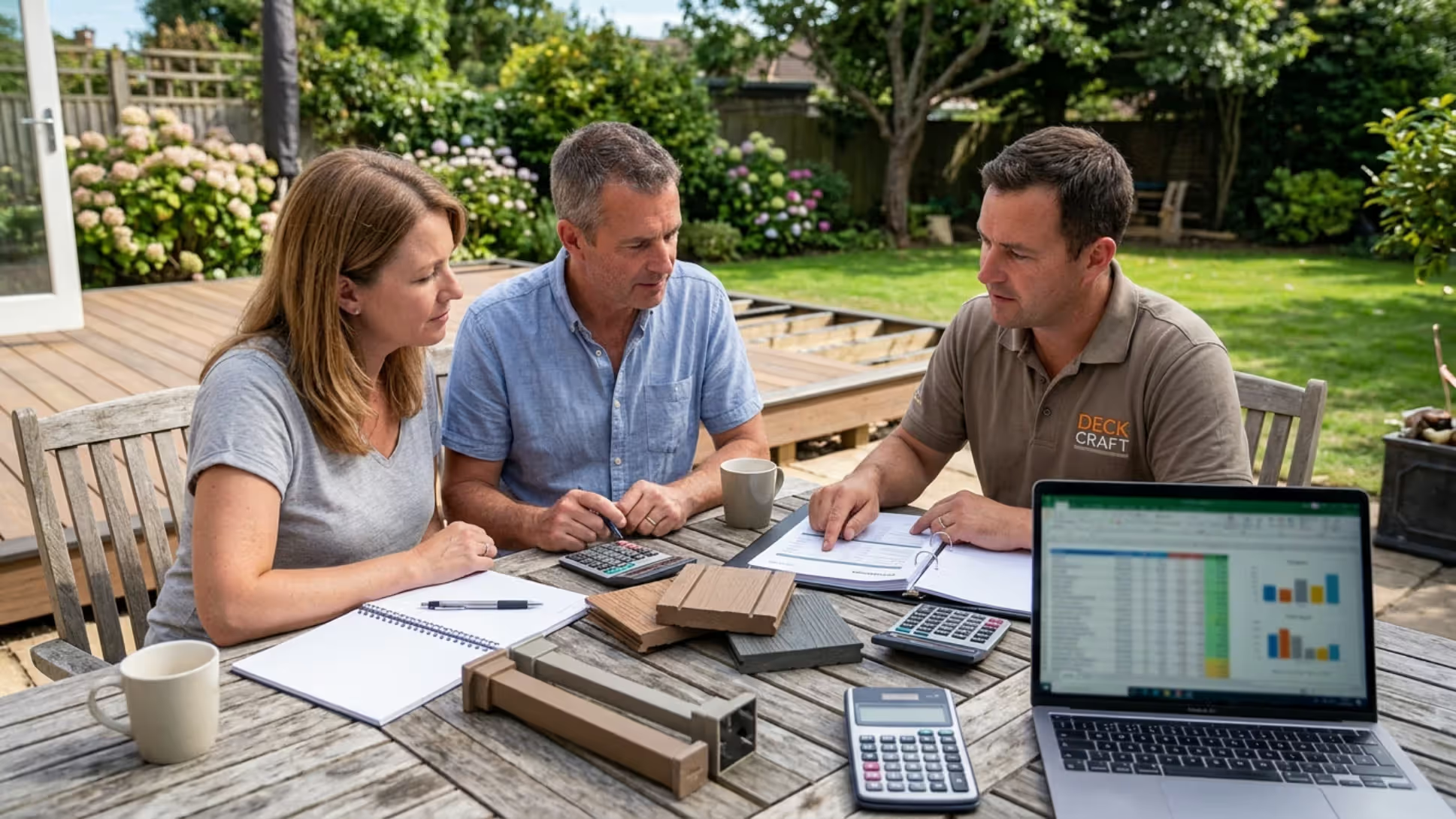
Deck remodel costs in 2026 range from $8 to $45 per square foot, depending on materials and complexity. That's a huge spread, so let's break it down.
Basic refreshes start around $2,000-$4,000 for a 200-square-foot deck. This includes cleaning, minor repairs, and refinishing. You're not changing materials, just restoring what's there.
Mid-range remodels run $6,000-$12,000. This typically means new composite or premium wood decking, updated railings, and maybe some lighting. You're keeping the structure but upgrading everything visible.
High-end renovations hit $15,000-$30,000 or more. Think composite decking, cable or glass railings, covered additions, built-in features, and full electrical integration.
Here's where people blow their budgets: scope creep. You start with new boards, then decide you want new railings, then lighting, then a pergola... Each addition compounds costs. Define your must-haves upfront.
Set aside 10-15% for surprises. Once contractors start pulling up old boards, they often find issues that weren't visible during inspection. Hidden rot, code violations from the original build, or outdated connections all require fixes.
Material choices create the biggest budget swings. Pressure-treated lumber is the economy option at $15-25 per square foot installed. Composite runs $30-45 per square foot. Exotic hardwoods like ipe can hit $50+ per square foot.
Labor typically represents 50-60% of total costs in professional remodels. This is why DIY can save significantly—if you've got the skills and time.
Popular Deck Remodeling Ideas by Style
The best deck remodels balance aesthetics with function. Here's what's actually working in 2026.
Modern minimalist designs dominate current trends. Think clean lines, hidden fasteners, monochromatic color schemes, and integrated lighting. Composite decking in gray or charcoal tones pairs with black aluminum railings for that contemporary look. Built-in bench seating with storage underneath maximizes space while maintaining sleek profiles.
Multi-level decks solve the problem of sloped yards while creating distinct zones. One level for dining, another for lounging, maybe a third for a hot tub or fire pit. The elevation changes add visual interest and make smaller yards feel larger.
Lighting integration transforms decks from daytime-only spaces to evening destinations. Recessed deck lights, post cap lighting, and under-rail strips create ambiance without the harsh glare of overhead fixtures. Solar options have improved dramatically—they're finally bright enough to be useful.
Built-in features eliminate the need for separate furniture that deteriorates outdoors. Permanent benches with cushions, planters integrated into railings, drink rails with LED lighting, and even outdoor kitchens for serious entertainers. These additions cost more upfront but deliver long-term value.
Color trends have shifted away from natural wood tones toward grays, taupes, and even black. But don't discount warmer browns—they're making a comeback in 2026 as a reaction to years of gray dominance.
Covered Deck Additions
Adding a roof changes everything. You get shade, weather protection, and extended usability. But it's also the most complex and expensive remodel option.
Pergolas offer the lightest touch—some shade, architectural interest, and support for climbing plants or retractable canopies. They run $3,000-$8,000 depending on size and materials. Installation takes 3-5 days.
Solid roof additions provide real weather protection. You can use the deck in light rain and avoid the baking sun on hot days. Expect $8,000-$20,000 for a quality covered addition on an average deck. This involves structural engineering, proper drainage, and often electrical work for lighting and fans.
The common mistake here? Not considering how a roof affects the interior rooms adjacent to the deck. You're blocking natural light. Make sure the trade-off works for your home's layout.
Retractable awnings split the difference. You get coverage when you want it and open sky when you don't. Modern motorized versions run $2,000-$5,000 and install in a day or two.
Building codes get picky about covered structures. Height restrictions, setbacks from property lines, and structural requirements all come into play. This is definitely permit territory.
Porch and Deck Combination Designs
Blurring the line between porch and deck creates interesting hybrid spaces. A covered section near the house transitions to an open deck further out. This gives you the best of both worlds.
The covered portion becomes an outdoor room—ceiling fans, hanging plants, comfortable furniture that doesn't need to be weather-proof. The open deck extends your entertainment space for larger gatherings.
Flooring transitions help define the zones. Maybe composite decking on the open area and tongue-and-groove porch flooring under the roof. Or use the same material but change the board direction where the roof begins.
This approach works especially well for ranch-style homes where you can extend the roofline naturally. The architectural flow looks intentional rather than added-on.
Budget $12,000-$25,000 for a combination remodel that includes both covered and open sections with quality materials. The timeline stretches to 3-4 weeks because you're essentially doing two different types of construction.
Author: Caleb Norton;
Source: johnhranec.com
Choosing Materials for Your Deck Renovation
Material selection impacts everything: cost, maintenance, appearance, and longevity. Let's cut through the marketing hype.
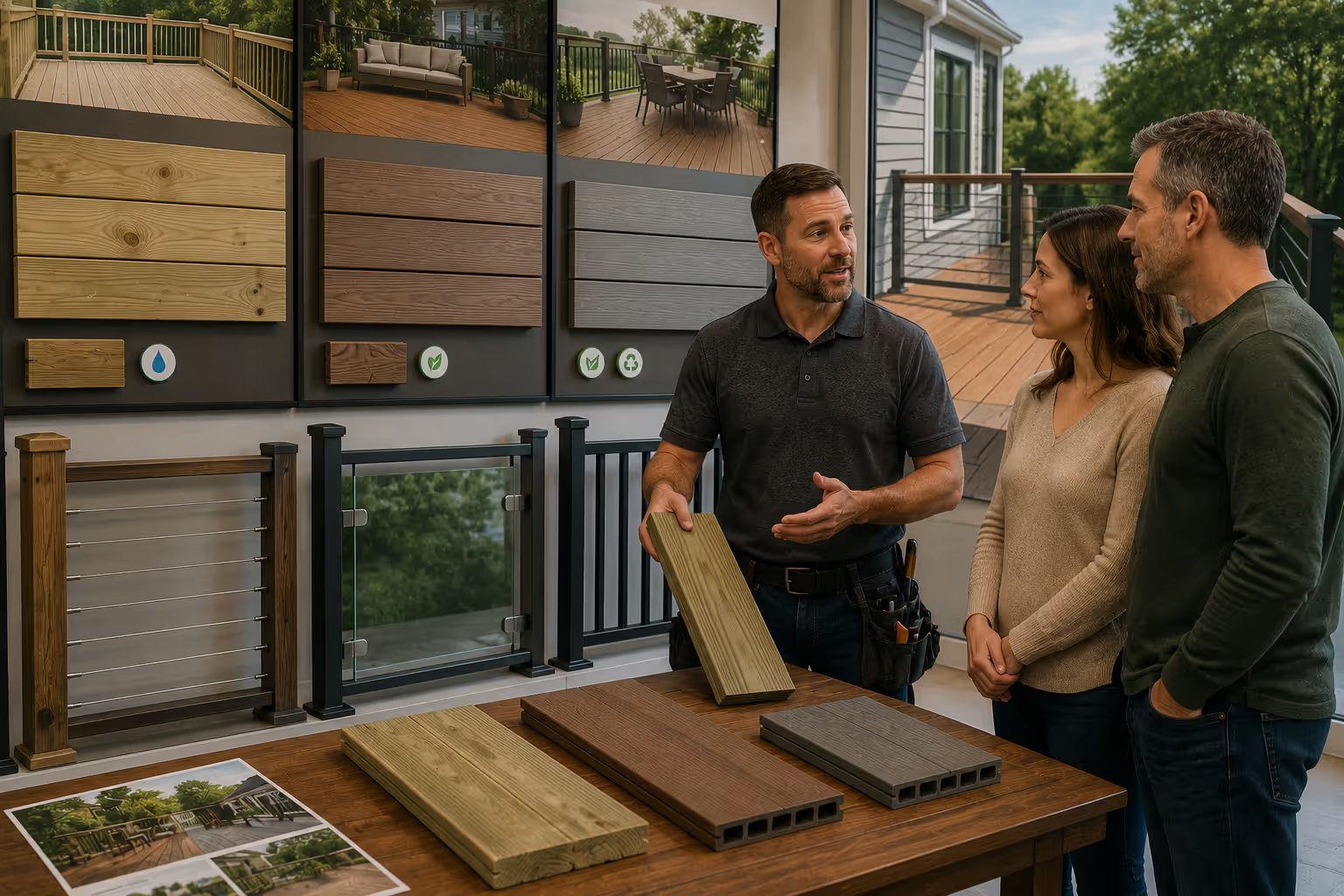
Pressure-treated lumber remains the budget champion. It's affordable, readily available, and lasts 15-20 years with proper maintenance. The downsides? Annual maintenance (cleaning and sealing), potential for warping and splitting, and eventual replacement. Cost runs $15-25 per square foot installed.
Composite decking has matured into a legitimate alternative. Modern products resist fading, don't splinter, and require minimal maintenance—just soap and water cleaning. They last 25-30 years. The upfront cost ($30-45 per square foot) pays off over time through eliminated maintenance costs. Heat retention is the main complaint—dark colors get hot in direct sun.
The simpler option usually wins here: if you're on a tight budget or planning to move within 5-7 years, pressure-treated wood makes sense. If you're staying long-term and hate maintenance, composite delivers better value despite higher initial costs.
PVC decking represents the premium tier. It's completely synthetic, resists stains and scratches better than composite, and stays cooler underfoot. Expect $40-55 per square foot. It's overkill for most homeowners but worth considering for high-traffic areas or if you're building your forever home.
Exotic hardwoods like ipe, cumaru, and tigerwood offer stunning natural beauty and 25-40 year lifespans. But they're expensive ($35-60+ per square foot), require specialized installation, and still need annual oiling to maintain color. They're niche products for specific aesthetic goals.
For railings, you've got parallel choices. Wood railings match wood decks and cost $25-40 per linear foot. Composite railings run $35-50 per linear foot. Aluminum railings in various styles cost $40-80 per linear foot and last indefinitely with zero maintenance.
Deck Railing and Surface Upgrade Options
Railings make or break your deck's appearance. Outdated wood railings with basic balusters scream 1990s. Modern alternatives transform the entire look.
Cable railing creates open sightlines and contemporary style. Stainless steel cables run horizontally between posts, maintaining safety while preserving views. Cost runs $60-100 per linear foot installed. The clean look works beautifully on modern homes and decks overlooking scenery. One drawback: cables require periodic tightening and aren't ideal if you have small children or pets that might get stuck.
Glass panel railings maximize views and add serious upscale appeal. Tempered glass panels sit in aluminum or stainless frames. You get unobstructed sightlines and wind protection. Expect $150-250 per linear foot—this is the premium option. Maintenance involves regular cleaning to avoid water spots and fingerprints.
Metal balusters with wood or composite top and bottom rails offer a middle ground. Black aluminum balusters have become the default modern choice. They're affordable ($35-55 per linear foot), low-maintenance, and pair well with any decking material. The vertical lines create a clean, contemporary look without the cost of cable or glass.
Composite railings match composite decking for a cohesive appearance. They're available in various colors and styles, from traditional to modern. Maintenance is minimal—no painting or staining ever. Cost runs $35-50 per linear foot.
For decking surfaces, you have three upgrade paths: refinish, reface, or replace.
Refinishing works when the boards are structurally sound but weathered. Strip old finish, sand smooth, apply fresh stain or paint. This costs $2-4 per square foot and extends the life 3-5 years. It's the budget option for wood decks.
Refacing means replacing just the top boards while keeping the frame. This works when joists and structure are solid but surface boards are damaged. You can switch materials here—going from wood to composite, for example. Cost depends on material choice but typically runs $8-15 per square foot.
Full replacement involves tearing out everything down to the joists and installing new decking. This is your chance to upgrade materials, change board direction, or add features like hidden fasteners. Expect $10-20+ per square foot depending on materials.
Color trends for 2026 lean toward natural grays and warm browns. The cool gray dominance of recent years is softening. Two-tone designs—darker borders with lighter field boards—add visual interest without looking busy.
Author: Caleb Norton;
Source: johnhranec.com
Real Deck Renovation Transformations
Theory is nice. Real examples are better.
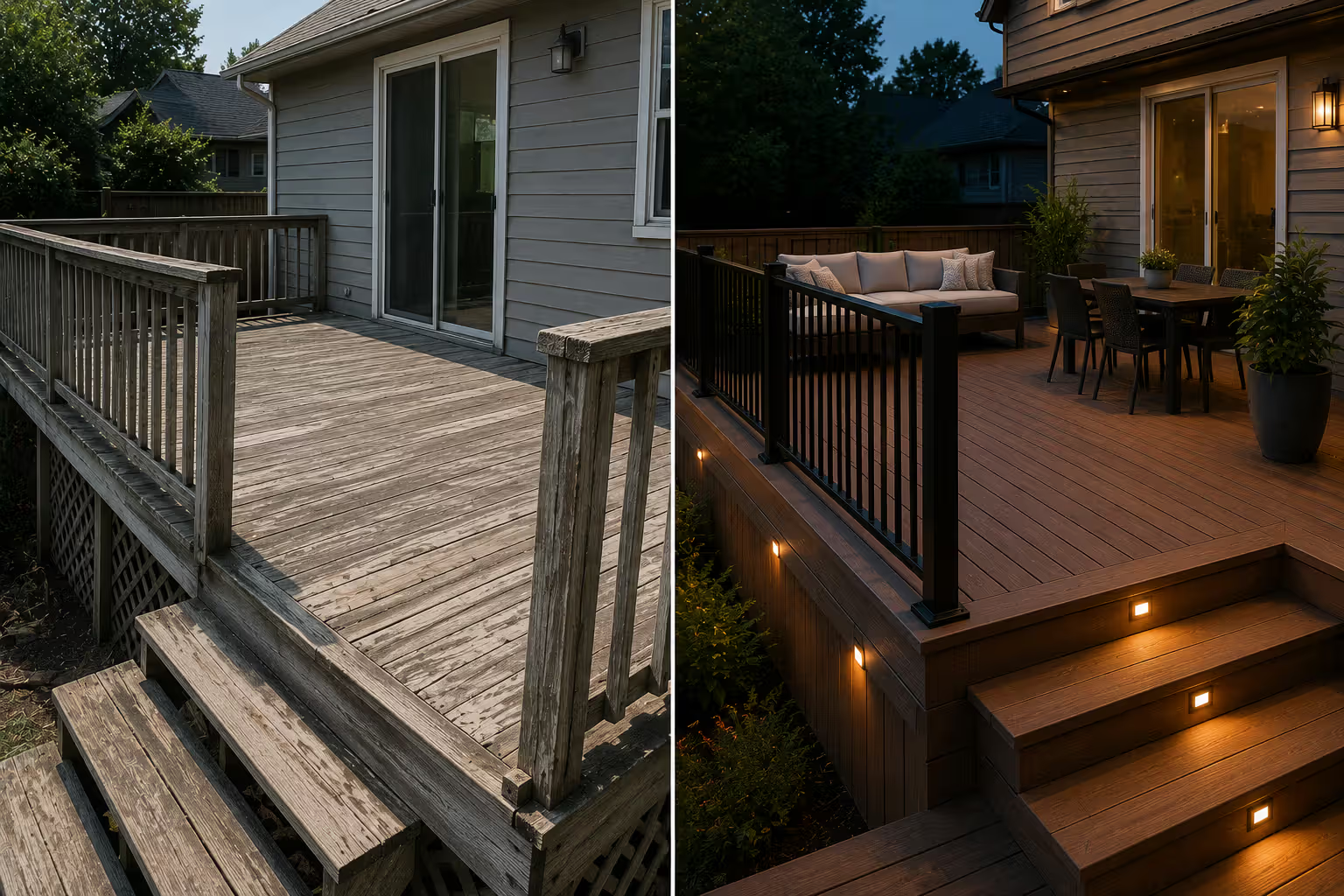
Project one: A 300-square-foot pressure-treated wood deck in suburban Chicago, built in 2010, showed significant wear by 2025. The boards were splintering, railings were loose, and the gray weathered look was tired. The homeowners considered full replacement but inspection showed solid structure.
The remodel: Replace all decking boards with composite in a warm brown tone, install black aluminum railings with top rail lighting, add recessed deck lights, and include a built-in bench along one side.
Cost: $14,500. Timeline: 12 days including permit approval. The transformation was dramatic—neighbors thought it was a new deck. The before showed a worn, unsafe space. The after delivered a modern outdoor room that extended their living space.
Lesson learned: They initially wanted to save money by keeping some of the old boards. The contractor convinced them that mixing old and new would look patchy and the old boards would fail soon anyway. Doing it all at once was the right call.
Project two: A small 150-square-foot deck in Portland attached to a 1960s ranch. The deck was tiny, basic, and underutilized. The homeowners wanted more space but couldn't expand the footprint due to setback requirements.
The remodel: Keep the existing deck but add a covered pergola with retractable canopy, built-in planters at the corners, bench seating with storage, and string lighting. Paint the house siding behind the deck a complementary color to create a backdrop.
Cost: $8,200. Timeline: 8 days. The square footage didn't change but the functionality increased dramatically. What was an afterthought became the favorite space in the house.
Lesson learned: You don't always need more deck—sometimes you need better use of existing space. The homeowners almost started planning a full teardown and expansion before realizing that wouldn't work with their property lines.
Project three: A large 500-square-foot deck in Atlanta with good bones but dated appearance. Built in 2015 with pressure-treated wood, it was structurally sound but the homeowners hated the maintenance and wanted a modern look.
The remodel: Composite decking in gray tones, cable railing system, under-deck drainage system to create dry storage below, integrated LED lighting throughout, and a built-in outdoor kitchen area with countertop and grill station.
Cost: $32,000. Timeline: 4 weeks. This was a high-end transformation that essentially created an outdoor room. The cable railings preserved views of their wooded backyard. The under-deck drainage was expensive but solved the problem of wasted space below.
Lesson learned: The under-deck system added $6,000 to the project but doubled their usable outdoor space. They debated cutting it to save money but now consider it the best decision they made. Sometimes the expensive add-ons deliver the most value.
Deck Repair vs. Full Replacement: Cost and Timeline Comparison
| Project Scope | Average Cost | Timeline | Best For | Lifespan Extension |
| Refinishing only | $600-$2,000 | 3-5 days | Structurally sound wood decks with surface wear | 3-5 years |
| Decking board replacement | $4,000-$10,000 | 5-10 days | Solid frame with damaged surface boards | 15-25 years (with composite) |
| Railing replacement | $2,500-$8,000 | 2-4 days | Outdated or damaged railings with good deck surface | 20-30 years |
| Partial remodel (decking + railings) | $8,000-$18,000 | 10-14 days | Good structure, cosmetic updates needed | 20-30 years |
| Full replacement | $15,000-$35,000+ | 3-4 weeks | Structural issues, major damage, or significant design changes | 25-40 years |
A well-planned deck remodel can return 60-80% of your investment at resale while dramatically improving your outdoor living experience during ownership.
— Thompson Michael
Your deck doesn't need to be perfect to be great. It needs to be safe, functional, and match how you actually use your outdoor space. The difference between a smart remodel and wasted money comes down to honest assessment of what you have and clear priorities for what you want.
Start with structure. If the bones are good, you can build something beautiful on that foundation without the cost and disruption of full replacement. If the bones are compromised, no amount of cosmetic work will create a safe, lasting deck.
Match your material choices to your maintenance tolerance and timeline. Composite costs more upfront but eliminates the annual maintenance cycle. Wood costs less initially but demands regular attention. Neither is wrong—they're different tools for different situations.
Don't underestimate planning. Permits, HOA approvals, contractor selection, and realistic timelines prevent the horror stories you hear about remodeling projects. An extra week of planning saves months of headaches during construction.
The best deck remodels feel intentional. They solve specific problems—lack of shade, dated appearance, high maintenance, limited functionality—rather than just changing things for the sake of change. Define what's not working now, envision what would work better, and build a plan to get there.
Your outdoor space has potential. Sometimes it just needs the right updates to shine.
FAQ: Deck Remodeling Questions Answered