House Painting Cost Guide
How Much Does It Cost to Paint a House?

Content
Painting your house is one of those projects that can transform your property's look and protect it from the elements. But it's also a serious investment. Most homeowners spend between $3,000 and $12,000 on a full paint job, though that range shifts dramatically based on size, location, and what you're actually painting. You'll pay less for a small interior refresh and considerably more for a large two-story exterior in a high-cost area. The good news? Once you understand the cost drivers, you can budget accurately and avoid surprises.
Average Cost to Paint a House
The typical cost to paint a house depends on whether you're tackling interior, exterior, or both. Nationally, homeowners pay around $5,800 for a complete interior and exterior paint job on a standard-sized home. But let's break that down.
Interior painting alone usually runs $2,500 to $6,000 for a full house. That covers walls, ceilings, trim, and doors. Exterior painting costs more—typically $3,500 to $8,000—because of the equipment, prep work, and weather considerations involved.
How much does it cost to get a house painted if you're doing everything at once? Combining interior and exterior often saves you money compared to scheduling separate projects. Contractors may offer package pricing that brings the total to $6,000–$12,000 for a mid-sized home. The pattern I see most often is homeowners underestimating prep work costs and overestimating how much DIY can save them.
How much does house painting cost in your specific area? Location matters enormously. Urban markets like San Francisco or New York can add 30–50% to these averages, while rural areas in the Midwest might come in 20% below.
Cost Breakdown by Square Foot
House painting cost by square foot gives you a more precise estimate based on your home's actual size. This is the metric most professional painters use for quotes.
For interior painting, expect to pay $2–$6 per square foot of floor space. That range accounts for paint quality, number of coats, and complexity. Exterior painting typically costs $1.50–$4 per square foot of paintable surface area—not floor space, but the actual wall area you're covering.
Here's how costs scale by house size:
| House Size (sq ft) | Interior Only | Exterior Only | Full House (Interior + Exterior) |
| 1,000 sq ft | $2,000–$6,000 | $1,500–$4,000 | $3,500–$10,000 |
| 1,500 sq ft | $3,000–$9,000 | $2,250–$6,000 | $5,250–$15,000 |
| 2,000 sq ft | $4,000–$12,000 | $3,000–$8,000 | $7,000–$20,000 |
| 2,500 sq ft | $5,000–$15,000 | $3,750–$10,000 | $8,750–$25,000 |
| 3,000+ sq ft | $6,000–$18,000+ | $4,500–$12,000+ | $10,500–$30,000+ |
These figures assume standard single-story or two-story homes in average condition. Your actual costs will shift based on the factors we'll cover next.
One common mistake: assuming square footage alone determines price. A 2,000-square-foot ranch with simple lines costs less than a 2,000-square-foot Victorian with intricate trim and multiple gables.
Author: Nathan Cole;
Source: johnhranec.com
What Affects House Painting Costs
Several factors push your final bill up or down. Understanding these helps you anticipate costs and make smart tradeoffs.
Labor vs. Materials
Labor typically accounts for 70–85% of your total painting cost. Professional painters charge $25–$100 per hour depending on location and expertise, or they quote by the job. Materials—paint, primer, tape, drop cloths—make up the remaining 15–30%.
For a typical exterior job, you might pay $4,000 in labor and $800 in materials. Interior projects often have a similar ratio. This is why paint quality matters less to your bottom line than you'd think. Upgrading from $35/gallon to $65/gallon paint adds maybe $200–$400 to a whole-house job.
Type of Paint and Finish
Paint type affects both cost and longevity. Latex (water-based) paint is the standard for most projects—it costs $25–$50 per gallon and works for nearly all interior and exterior applications. Oil-based paint costs more ($40–$80/gallon) and requires more skill to apply, but it delivers exceptional durability for trim and high-traffic areas.
Finish matters too. Flat paint hides imperfections but doesn't clean well. Satin and eggshell offer a middle ground. Semi-gloss and gloss cost slightly more but stand up to scrubbing—ideal for kitchens, bathrooms, and exterior trim.
Premium brands like Benjamin Moore or Sherwin-Williams cost 30–50% more than big-box store brands, but they often cover better and last longer. The simpler option usually wins here: mid-grade paint from a reputable brand.
Number of Stories and Accessibility
Single-story homes are cheaper to paint because they don't require scaffolding or extensive ladder work. Two-story homes add 20–40% to labor costs. Three-story homes or those with steep roofs can double the price due to safety equipment and slower work pace.
Accessibility issues compound costs. Homes with landscaping tight against walls, decks that block access, or difficult terrain require extra time. Painters might need to move or protect plants, disassemble railings, or rent specialized equipment.
Surface Condition and Prep Work
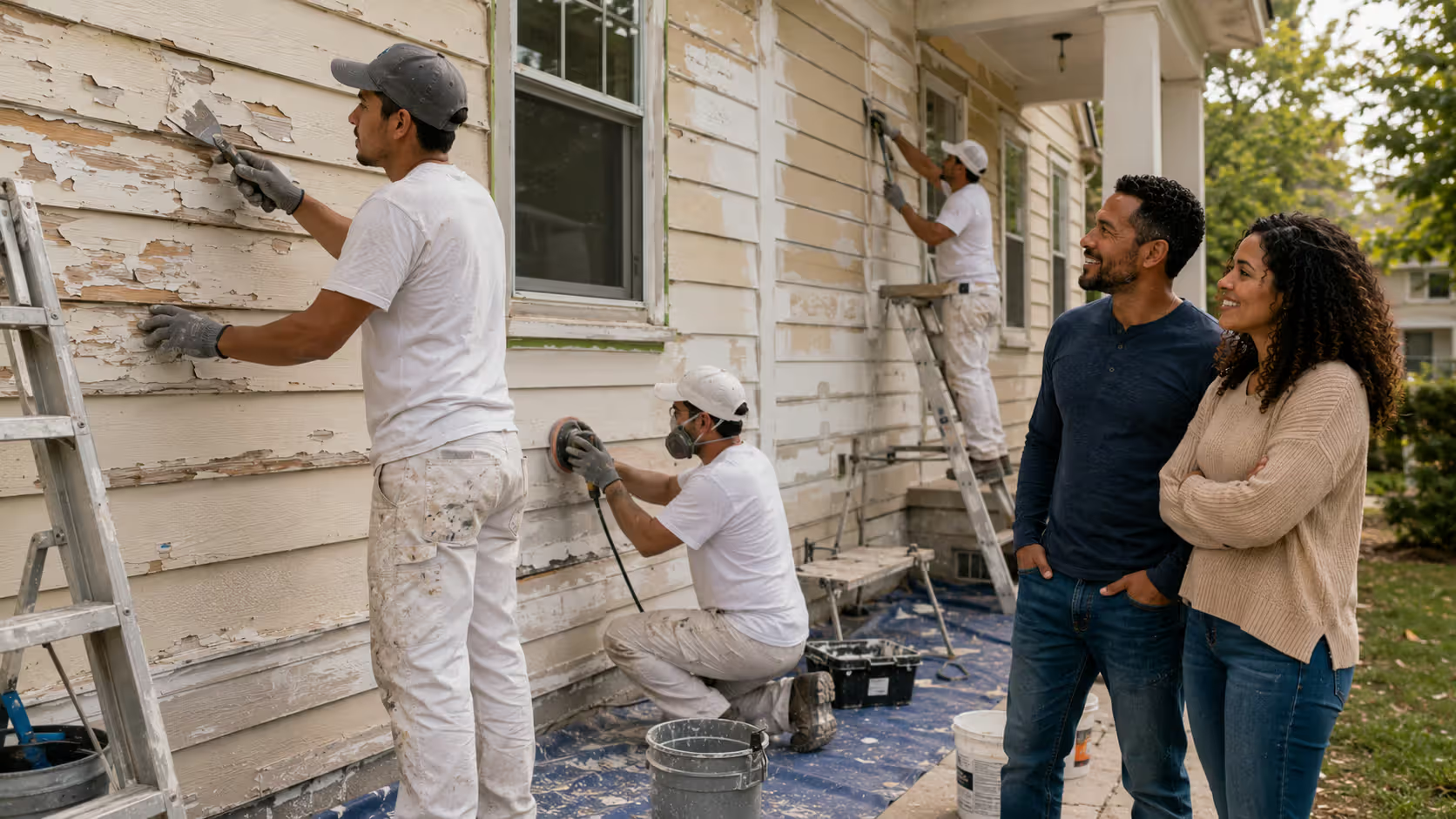
This is where costs spiral unexpectedly. Painting over clean, sound surfaces is straightforward. But homes with peeling paint, wood rot, mildew, or damaged siding need extensive prep.
The condition of your siding and the amount of prep work needed can add 20–40% to your total exterior painting cost. I've seen projects where prep took longer than the actual painting.
— Martinez Robert
Prep work includes power washing, scraping, sanding, caulking, priming, and repairs. A home that hasn't been painted in 15+ years might need an extra $1,000–$3,000 in prep. Wood siding requires more prep than vinyl or metal. Stucco needs crack repairs. Brick needs careful cleaning and may require specialized masonry paint.
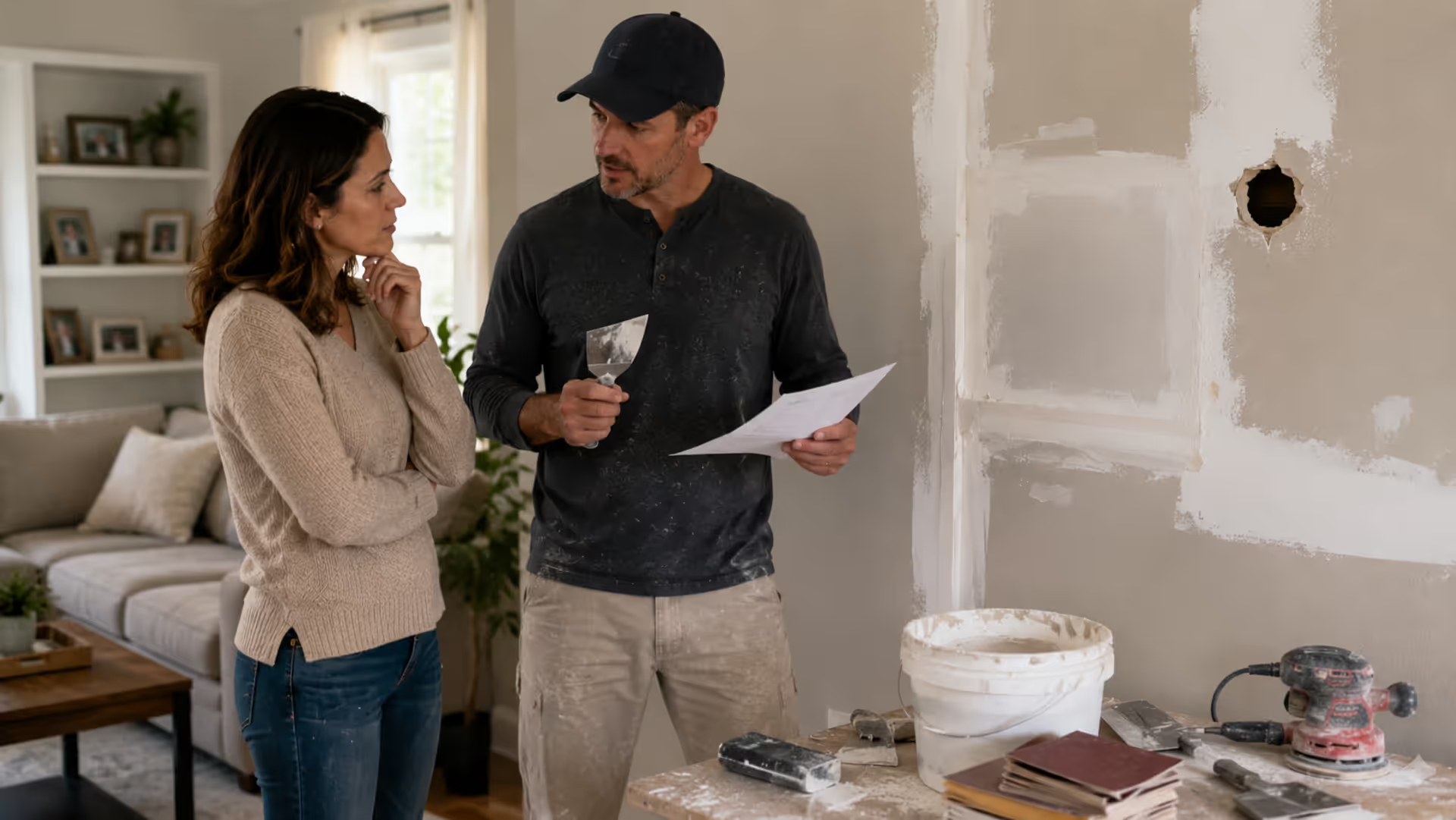
Interior prep is usually lighter—patching nail holes, light sanding, taping—but rooms with wallpaper removal or significant damage add time and cost.
Author: Nathan Cole;
Source: johnhranec.com
Exterior vs. Interior Painting Costs
How much to paint a house exterior versus interior? The cost structures differ significantly.
Exterior painting generally costs more per project because of surface area, prep work, and equipment needs. A 2,000-square-foot home has roughly 2,000 square feet of interior floor space but might have 2,500–3,000 square feet of exterior wall surface once you account for height and gables. Exterior paint also needs to withstand weather, so quality matters more.
The cost of painting exterior of house includes power washing (often $200–$500), scraping and sanding old paint, priming bare wood, caulking gaps, and applying two coats. You're also paying for scaffolding or lift rentals, weather delays, and higher insurance costs for elevated work.
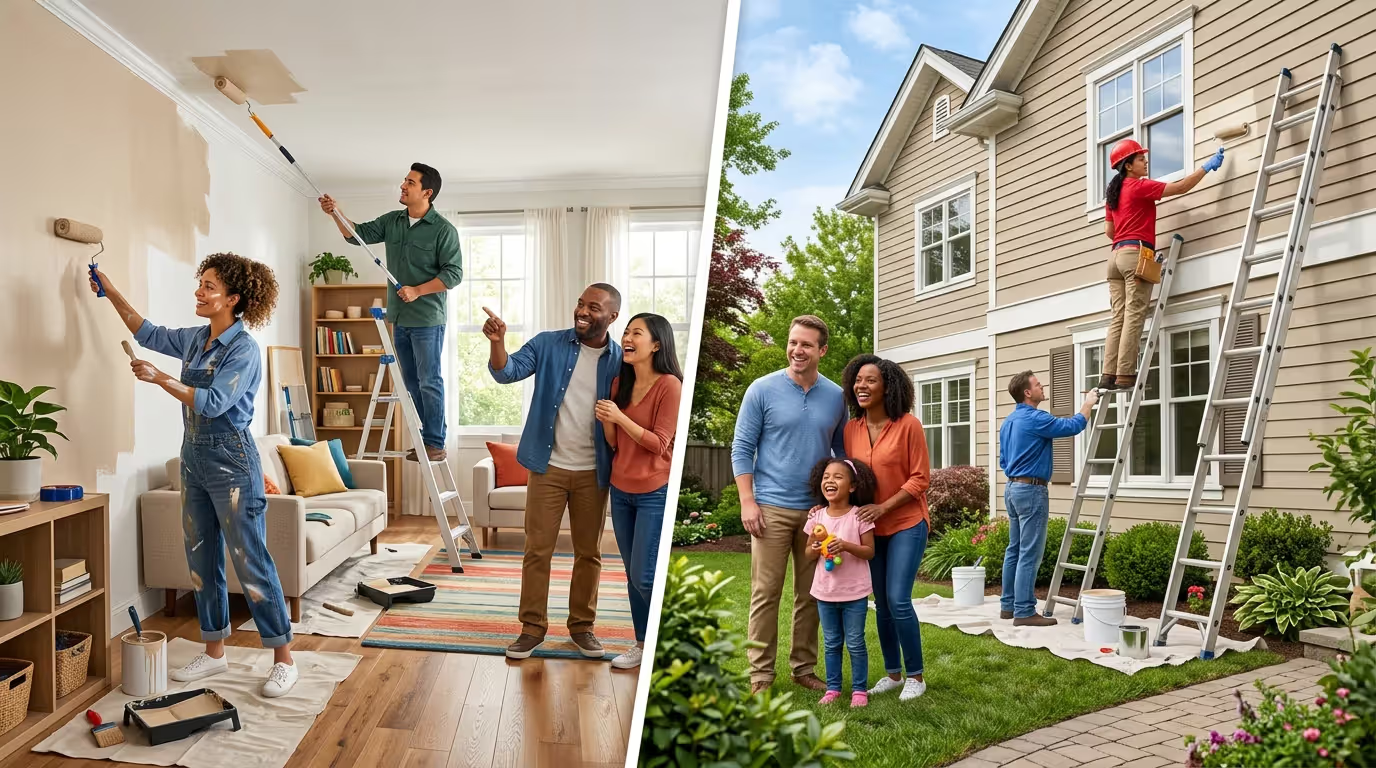
Interior painting costs less per square foot but involves more detail work. You're cutting in around trim, protecting floors and furniture, painting ceilings, and working in occupied spaces. Interior projects typically finish faster—3–5 days for a full house versus 5–10 days for exterior work.
One counterintuitive point: exterior painting often delivers better ROI. A fresh exterior paint job can return 50–80% of its cost in increased home value, while interior painting returns less unless you're preparing to sell.
Author: Nathan Cole;
Source: johnhranec.com
When to Paint Your House Exterior
The best time to paint exterior of house is late spring through early fall—roughly May through September in most US climates. You need temperatures between 50°F and 85°F, low humidity, and no rain in the forecast for 24–48 hours after application.
Summer is peak season, which means higher prices and less availability. Scheduling in late spring or early fall often saves 10–15% because contractors are less busy. Avoid winter painting in cold climates—paint won't cure properly below 50°F, and you'll get poor adhesion and durability.
How often should you paint the exterior of your house? That depends on climate, paint quality, and surface material. Here's the typical timeline:
- Wood siding: every 3–7 years
- Aluminum siding: every 5 years
- Stucco: every 5–6 years
- Brick: every 8–17 years (if painted)
- Fiber cement: every 10–15 years
Homes in harsh climates—coastal areas with salt spray, desert regions with intense sun, or places with severe winters—need more frequent repainting. South-facing walls fade faster than north-facing ones.
Watch for warning signs: chalking, peeling, cracking, or fading. Once paint fails, moisture gets behind it and causes wood rot or structural damage. Repainting on schedule is cheaper than fixing rot.
Ways to Save on House Painting Costs

Author: Nathan Cole;
Source: johnhranec.com
You can reduce how much it costs to repaint a house without sacrificing quality. Here's what actually works.
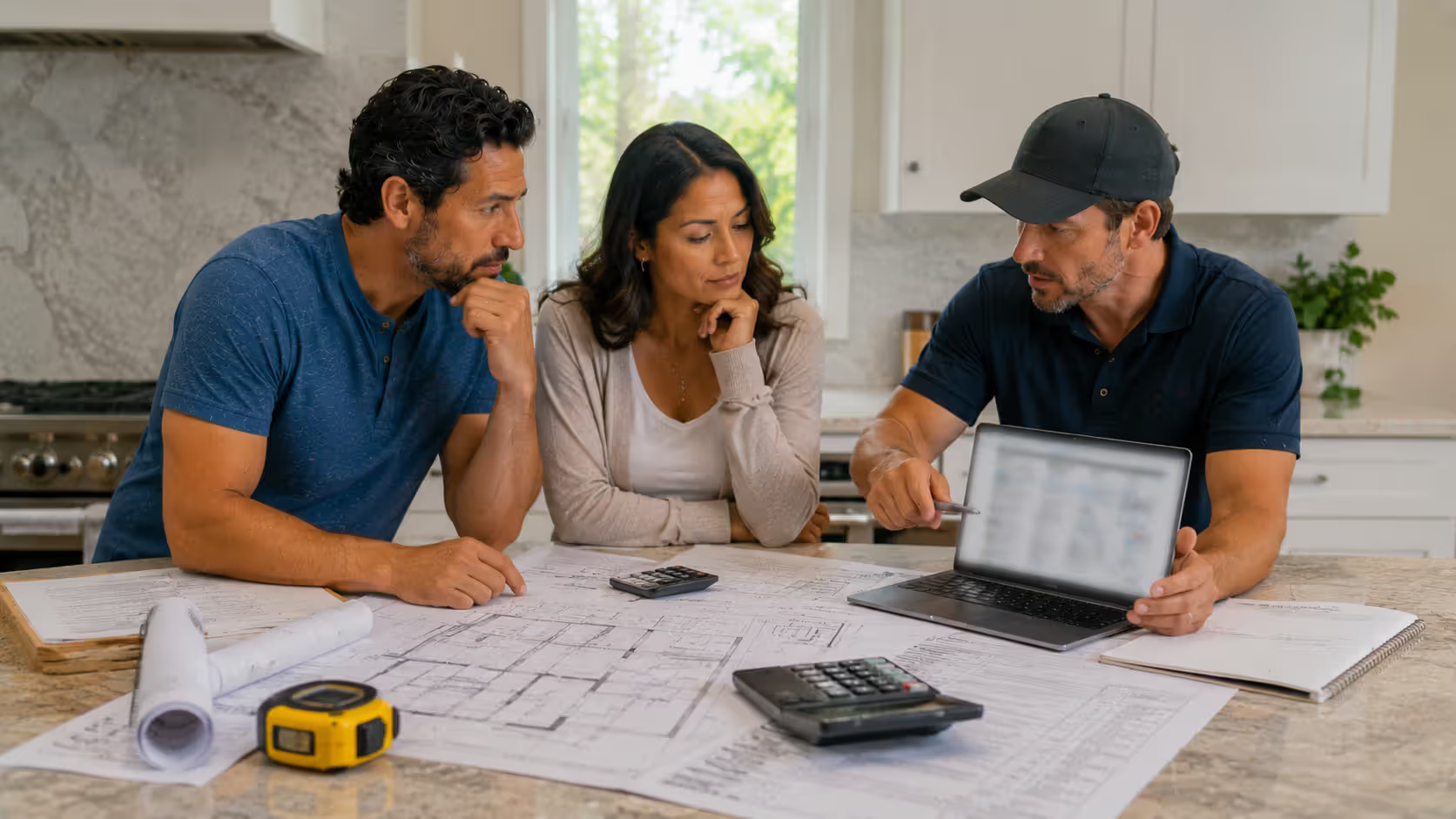
Do some prep yourself. Contractors charge $50–$75/hour for prep work you can handle—moving furniture, removing switch plates, light sanding, or cleaning. Doing this yourself might save $300–$800 on an interior job.
Paint during off-season. Schedule exterior work in April, May, or October when contractors are hungry for business. You'll often get 10–20% discounts compared to peak summer pricing.
Get multiple quotes. Three to five quotes reveal the market rate and help you spot outliers. But don't automatically choose the lowest bid—extremely low quotes often mean corners will be cut.
Choose mid-grade paint. You don't need the most expensive premium paint for most applications. Mid-grade paint from Sherwin-Williams, Benjamin Moore, or Behr offers 90% of the performance at 60% of the cost.
Bundle interior and exterior. Painting both at once saves on setup, equipment rental, and mobilization costs. Contractors often discount 10–15% for combined projects.
Don't skimp on prep. This seems counterintuitive in a savings section, but proper prep extends paint life by years. Spending $500 more on prep now beats repainting 3 years early at $5,000.
Author: Nathan Cole;
Source: johnhranec.com
DIY interior, hire for exterior. Interior painting is feasible for motivated homeowners with basic skills. Exterior painting requires equipment, safety gear, and experience—the risk-reward usually favors hiring pros.
Should you DIY the whole project? Most homeowners save 50–70% on labor by painting themselves. But it takes 3–4 times longer, the results often look amateur, and you'll need to buy or rent equipment. For small rooms or accent walls, DIY makes sense. For whole-house projects, professionals deliver better results faster.
FAQ: House Painting Cost Questions Answered
Now you've got the numbers and factors that drive house painting costs. The national average sits around $5,800 for a complete job, but your actual cost depends on size, location, condition, and choices you make about paint and contractors.
Start by measuring your home's square footage and getting three quotes from licensed, insured painters. Ask about their prep process—that's where quality shows. Check references and look at recent work.
Budget for prep work and don't cut corners there. It's tempting to skip power washing or proper priming, but those steps determine how long your paint job lasts. Spending an extra $500 on prep can add 3–5 years to your paint's life.
Time your project for shoulder seasons if you can wait. The savings often cover upgraded paint or better trim work. And remember that exterior painting protects your home's structure while interior painting is mostly aesthetic. Prioritize accordingly.
A good paint job transforms your home's appearance and protects your investment. With realistic expectations and smart planning, you'll get results that last years without breaking your budget.