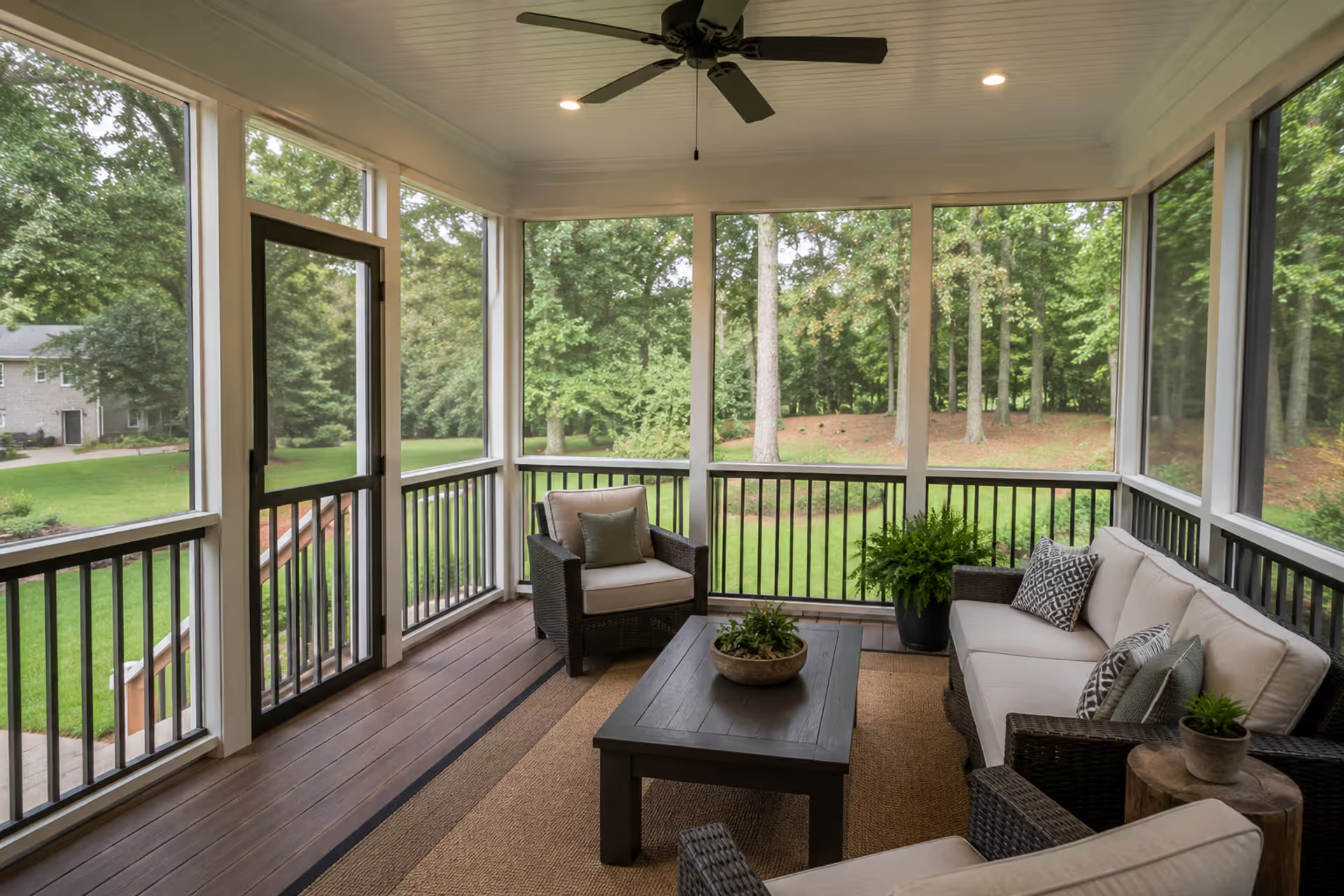
Modern screened-in porch attached to a suburban home with cozy outdoor seating, wood decking, ceiling fan, and large mesh screens overlooking a green backyard
How Much Does It Cost to Screen in a Porch?

Content
Thinking about adding a screened porch? You're not alone. Homeowners across the country are looking to extend their living space while keeping bugs and debris out. The investment varies widely based on what you're starting with and what you want to end up with.
Let's break down the real numbers you'll face.
Average Cost to Screen in a Porch or Patio
The national average cost to screen in a porch ranges from $1,200 to $4,800 for basic projects. Most homeowners spend around $2,800 for a standard 200-square-foot screened porch conversion.
Cost per square foot typically falls between $6 and $24. That's a wide range, and there's a reason for it.
Simple screening of an existing covered porch sits at the lower end. You've already got a roof and floor. You're just adding screens and frames. Building a brand-new screened porch addition from the ground up? That pushes you toward the higher end, sometimes exceeding $30 per square foot.
Here's what typical project sizes look like:
- Small porch (100-150 sq ft): $600-$3,600
- Medium porch (200-250 sq ft): $1,200-$6,000
- Large porch (300-400 sq ft): $1,800-$9,600
The cost of a screened in porch depends heavily on your starting point. An existing covered porch with solid posts and a good roof? You're looking at the lower range. An open concrete patio that needs a roof structure built first? Budget significantly more.
One pattern I see often is homeowners underestimating the foundation work. If you're converting an open space, you'll need proper support posts, beams, and potentially footings. That adds up fast.
Factors That Affect Screened Porch Costs
Several variables push your project cost up or down. Understanding these helps you budget accurately.
Author: Caleb Norton;
Source: johnhranec.com
Size and Square Footage
Size matters most. Double the square footage, and you'll roughly double the material and labor costs.
But there's a twist. Smaller projects sometimes cost more per square foot because contractors have minimum charges. A 50-square-foot project might run $15-$20 per square foot, while a 300-square-foot project drops to $10-$12 per square foot.
Shape affects cost too. A simple rectangle uses materials efficiently. Complex angles, bay windows, or irregular shapes create waste and require more labor.
Materials and Screen Type
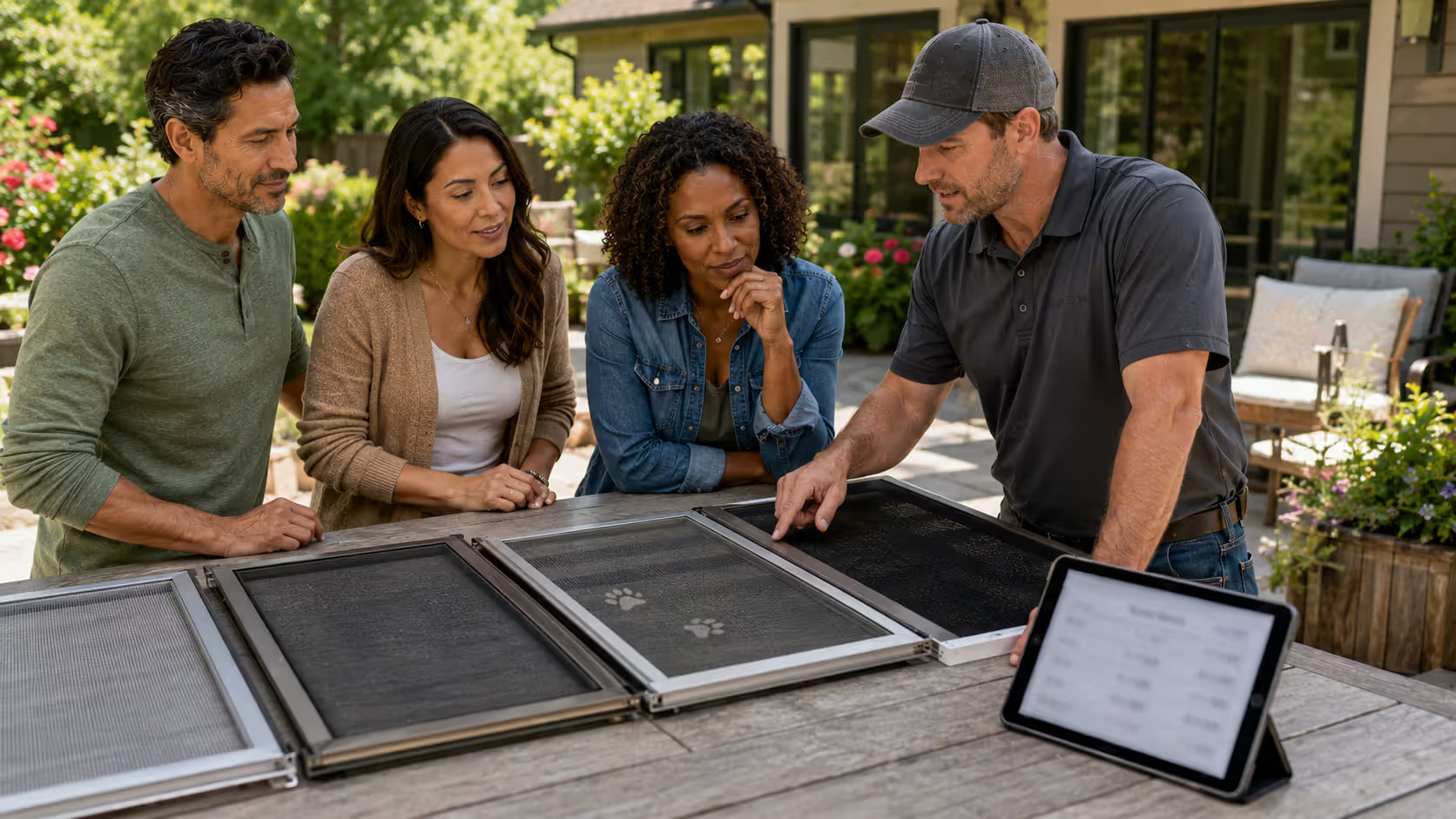
Standard fiberglass screening costs $0.25-$0.50 per square foot for the material alone. It's the most common choice for good reason—it's affordable and does the job.
Aluminum screening runs $0.50-$1.00 per square foot. It's more durable and won't sag as easily.
Pet-resistant screening costs $1.50-$3.00 per square foot. Worth it if you have dogs or cats that lean against screens.
Solar screening blocks UV rays and heat, running $2.00-$4.00 per square foot. Popular in southern states where sun control matters.
Frame materials create another cost layer:
- Pressure-treated wood framing: most affordable, requires maintenance
- Vinyl framing: mid-range, low maintenance
- Aluminum framing: higher cost, very durable
- Composite materials: premium pricing, minimal upkeep
Don't forget the door. A basic screen door adds $100-$300. A quality door with a closer mechanism runs $300-$600.
Foundation and Structural Requirements
This is where costs can explode unexpectedly.
Screening an existing covered porch with a solid foundation? Minimal structural work needed. You're mostly attaching screen frames to existing posts.
Enclosing an open patio? You'll likely need:
- Concrete footings: $50-$200 each (you'll need 4-8)
- Support posts: $30-$100 each
- Roof framing: $800-$3,000
- Roofing material: $500-$2,500
Building codes in your area dictate foundation depth and post spacing. In cold climates, footings must extend below the frost line—sometimes 3-4 feet deep. That increases excavation costs.
Existing deck conversions present their own challenges. The deck structure must support the additional roof load. Many decks weren't built for this. Reinforcement might be necessary.
Labor Costs by Region
Where you live significantly impacts what you'll pay contractors.
Regional labor rates (per hour):
- Southeast: $40-$65
- Midwest: $45-$70
- Southwest: $50-$75
- Northeast: $60-$90
- West Coast: $65-$100
Urban areas within each region run 15-30% higher than rural areas.
Total labor typically represents 50-70% of your project cost. A $3,000 project might break down to $1,000 in materials and $2,000 in labor.
Contractor availability affects pricing too. Spring and summer are peak seasons. You'll pay premium rates and face longer wait times. Fall and winter often bring discounts of 10-20%.
Most homeowners focus on the screening material, but the structural prep work is what really drives the cost. A properly built screened porch needs solid framing and adequate roof pitch for drainage. Cutting corners on structure to save money upfront leads to expensive repairs within a few years.
— Martinez Carlos
Cost Breakdown by Project Type
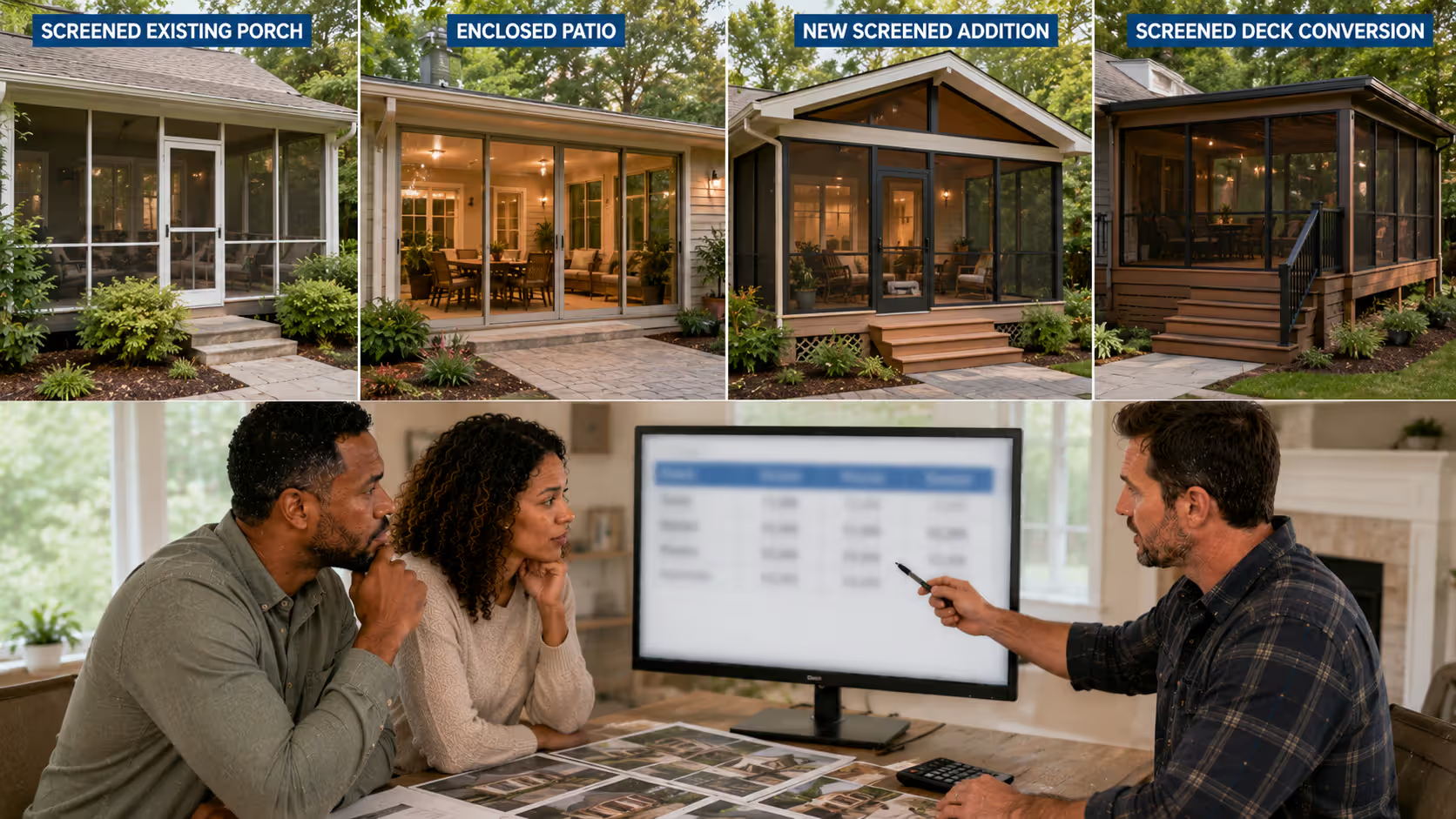
Not all screened porch projects are created equal. Here's how different approaches compare:
| Project Type | Average Cost Range | Cost Per Sq Ft | Timeline |
| Screen existing covered porch | $1,200-$3,600 | $6-$12 | 2-5 days |
| Enclose open patio with screening | $3,500-$8,500 | $12-$22 | 1-3 weeks |
| Build new screened porch addition | $8,000-$28,000 | $18-$35 | 3-8 weeks |
| Convert deck to screened porch | $5,000-$15,000 | $15-$28 | 2-4 weeks |
Screening an existing covered porch is the most straightforward option. You've got a roof overhead and a solid floor underfoot. The contractor installs framing between existing posts and attaches screening. Simple. Quick. Affordable.
Enclosing an open patio requires building a roof structure first. You're essentially creating a covered porch and then screening it. This involves footings, posts, beams, rafters, and roofing. Much more complex.
Building a new screened porch addition means starting from scratch. Foundation work, framing, roofing, flooring, and screening—everything. This is a full construction project. Permits required. Inspections scheduled. The works.
Converting a deck falls somewhere in the middle. The floor exists, but you're adding a roof and walls. The key question: can your deck support the additional load? If not, reinforcement adds $1,500-$4,000 to your budget.
The simpler option usually wins here. If you've got a covered porch already, screening it makes the most financial sense.
Author: Caleb Norton;
Source: johnhranec.com
DIY vs. Professional Installation Costs
Can you do this yourself? Maybe. Should you? That depends.
A DIY screening project for an existing covered porch can cost $400-$1,200 in materials for a 200-square-foot space. You'll save $1,200-$2,400 in labor.
What you'll need:
- Screen material
- Framing lumber or screen tight system
- Spline and spline roller (for frame installation)
- Screen door and hardware
- Basic carpentry tools
- 2-3 full days of work
Skill level: intermediate. If you've built a deck or framed a wall, you can probably handle this. If you've never cut a miter joint or used a circular saw, hire someone.
Common DIY mistakes that end up costing more:
- Improper screen tension leading to sagging
- Inadequate frame spacing causing screen damage in wind
- Poor door alignment creating gaps for insects
- Skipping permits and facing code violations
Professional installation makes sense when:
- You're building a roof structure (structural engineering matters)
- Local codes require licensed contractors for permits
- Your time is worth more than the labor savings
- You want warranty protection on the work
A hybrid approach works well for some homeowners. Hire a contractor for structural work and roofing, then install screening yourself. This saves money while ensuring proper structure.
Author: Caleb Norton;
Source: johnhranec.com
Ways to Reduce Your Screened Porch Project Cost
Smart planning cuts costs without sacrificing quality.
Time your project strategically. Contractors offer better rates in fall and winter. You might save 10-20% by scheduling work in November instead of May. Yes, you'll wait longer to enjoy it, but the savings can be substantial.
Choose materials wisely. Standard fiberglass screening works fine for most situations. Don't pay for pet-resistant screening if you don't have pets. Pressure-treated wood framing costs half what composite does and lasts 15-20 years with basic maintenance.
Keep the design simple. Rectangular shapes use materials efficiently. Every angle, curve, or custom feature adds labor hours. A basic 12x16 rectangle costs significantly less than a 12x16 space with angled corners.
Start with what you have. Screening an existing covered porch costs a fraction of building new. If you've got a covered area, use it.
Handle prep work yourself. Clear the area, remove old materials, and do basic cleanup. Contractors charge $50-$80 per hour for work you can do yourself.
Get multiple quotes. Three quotes minimum. But don't automatically choose the lowest. A quote 30% below others might signal cut corners or missing work.
Consider partial screening. Screen the sides facing prevailing winds and your sitting area. Leave one or two sides open. This reduces material and labor costs by 25-40% while still providing bug protection where it matters most.
Pull your own permits. If local codes allow, get permits yourself. Contractors mark up permit fees 15-30%. The process isn't complicated for simple screening projects.
Buy materials yourself. Some contractors allow this. You'll avoid their markup (typically 15-25%) on materials. But you'll also lose their bulk purchasing power. Run the numbers.
One thing not to skimp on: foundation and structural work. Proper footings and framing prevent expensive problems later.
FAQ: Screened Porch Cost Questions Answered
A screened porch extends your living space into the outdoors without the bugs, debris, and harsh sun. The investment ranges from modest to substantial depending on your starting point.
If you've got an existing covered porch, screening it is one of the most cost-effective home improvements you can make. You'll spend $1,200-$3,600 and gain a functional outdoor room that you'll use for years.
Building from scratch costs more but creates exactly the space you want. Budget $8,000-$28,000 for a complete new addition with proper foundation, framing, and roofing.
The key is matching your project to your budget and existing structure. Start with what you have. Keep the design simple. Choose materials that balance cost and durability for your specific needs.
Get multiple quotes from licensed contractors. Check references. Verify insurance. A quality screened porch should last 20-30 years with minimal maintenance.
And remember—you're not just adding square footage. You're creating a space where you'll drink morning coffee, host summer dinners, and watch thunderstorms roll through. That's worth more than the numbers alone suggest.