Kitchen Cabinet Cost Overview
Cost of Kitchen Cabinets Installed Guide

Content
Understanding what you'll pay for new kitchen cabinets isn't just about the boxes hanging on your wall. Installation adds a whole other layer of expense that catches many homeowners off guard. The pattern I see most often is people budgeting for the cabinets themselves, then scrambling when labor costs nearly double their estimate. Let's break down what you're really looking at when you factor in both materials and professional installation.
Average Cost to Install Kitchen Cabinets
National averages for installed kitchen cabinets range from $4,500 to $15,000 for a standard 10x10 kitchen. That's a wide spread, and it reflects the massive variation in cabinet quality and construction methods available today.
Here's what you can expect per linear foot:
- Stock cabinets: $100–$300 per linear foot installed
- Semi-custom cabinets: $150–$650 per linear foot installed
- Custom cabinets: $500–$1,500+ per linear foot installed
Most kitchens use between 20 and 30 linear feet of cabinetry. Do the math, and you'll quickly see why cabinet choices become the single biggest line item in most kitchen renovations.
Stock cabinets come in predetermined sizes and finishes. You pick from what's available. Semi-custom lets you modify dimensions, finishes, and some design elements within a manufacturer's framework. Custom means exactly what you want, built to your specifications.
Labor typically accounts for 30-40% of your total installed cost. A professional installer charges $50–$150 per hour depending on your region, with most standard kitchen installations taking 15–30 hours of work.
| Cabinet Type | Price Per Linear Foot (Installed) | Typical 10×10 Kitchen Cost | Lead Time |
| Stock | $100–$300 | $4,500–$9,000 | 1–3 weeks |
| Semi-Custom | $150–$650 | $7,500–$18,000 | 4–8 weeks |
| Custom | $500–$1,500+ | $15,000–$45,000+ | 8–16 weeks |
What Affects Kitchen Cabinet Installation Costs
Material choice drives the biggest cost swings, but it's not the only factor.
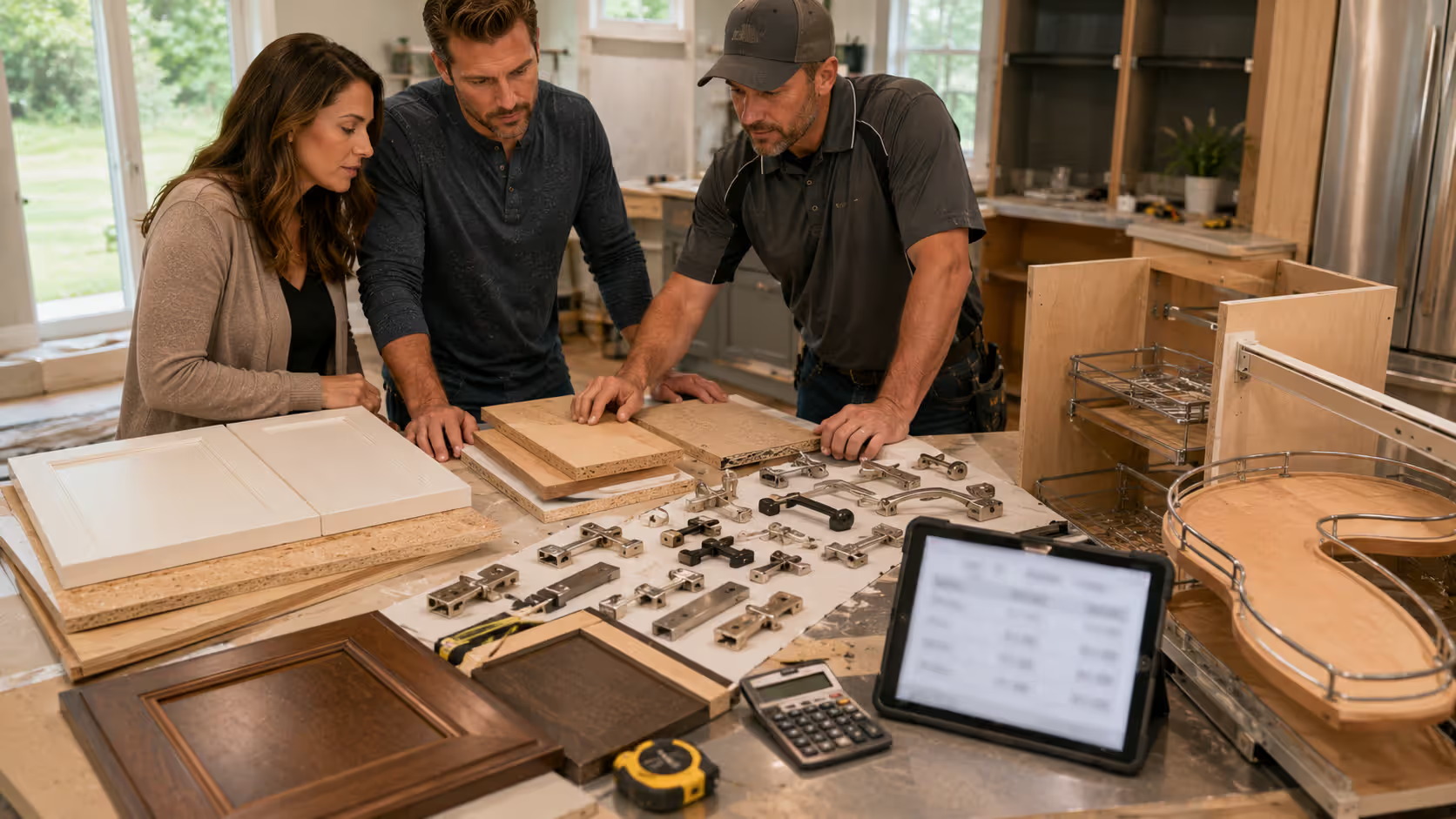
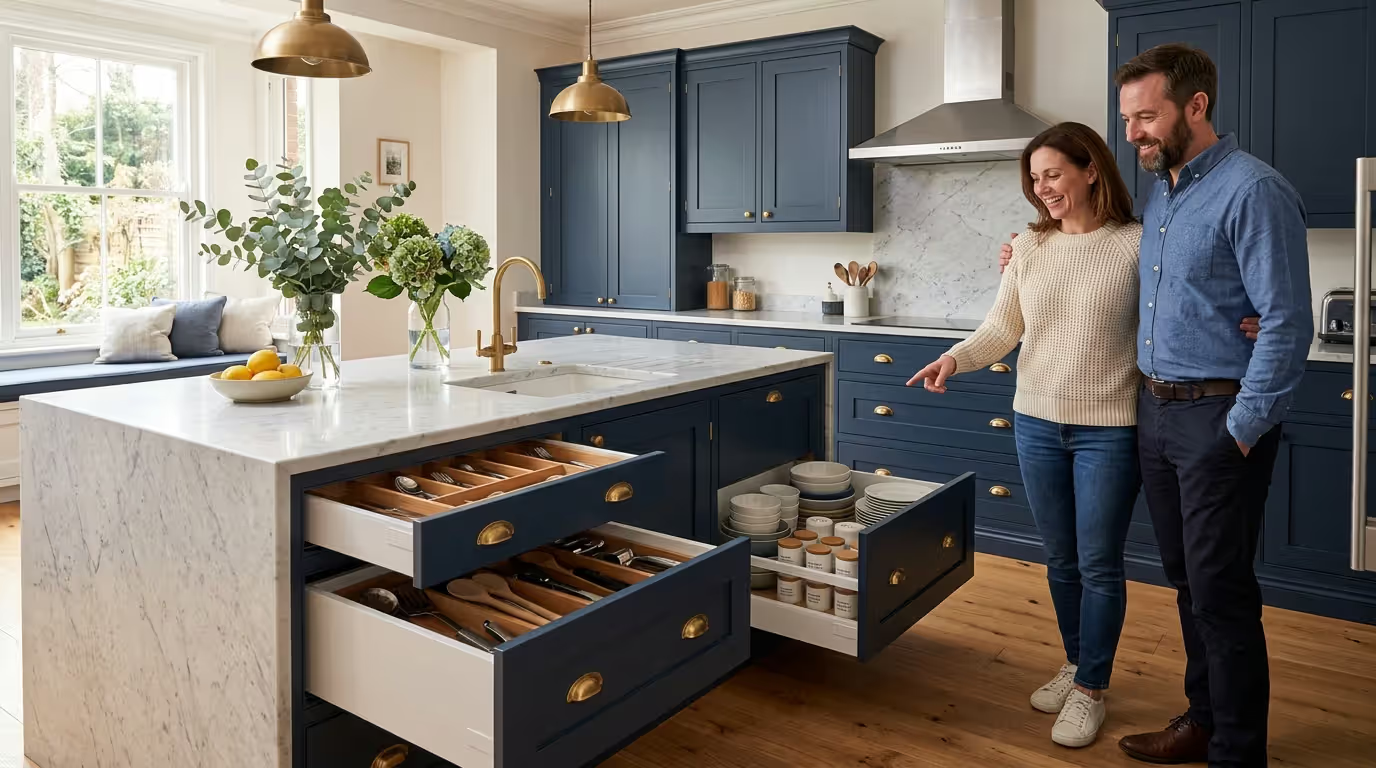
Cabinet construction quality separates budget options from premium ones. Plywood boxes last longer than particleboard. Dovetail drawer joints outlast stapled ones. Full-extension drawer glides cost more than basic side-mount hardware. These details add up fast.
Kitchen size and layout complexity matter more than you'd think. A galley kitchen with straight runs costs less to install than an L-shaped or U-shaped layout. Islands require additional structural support and often specialized base cabinets. Every corner needs a solution—lazy Susans, pull-out systems, or blind corner cabinets all increase costs.
Regional labor rates create significant price differences. Installers in San Francisco or New York City charge nearly double what you'd pay in smaller Midwestern cities. High cost-of-living areas mean higher labor expenses across the board.
Hardware and accessories can quietly inflate your budget. Standard knobs run $2–$5 each. Upgrade to quality pulls or handles, and you're looking at $10–$30 per piece. With 20–40 hardware pieces in an average kitchen, that's an extra $200–$1,200 right there.
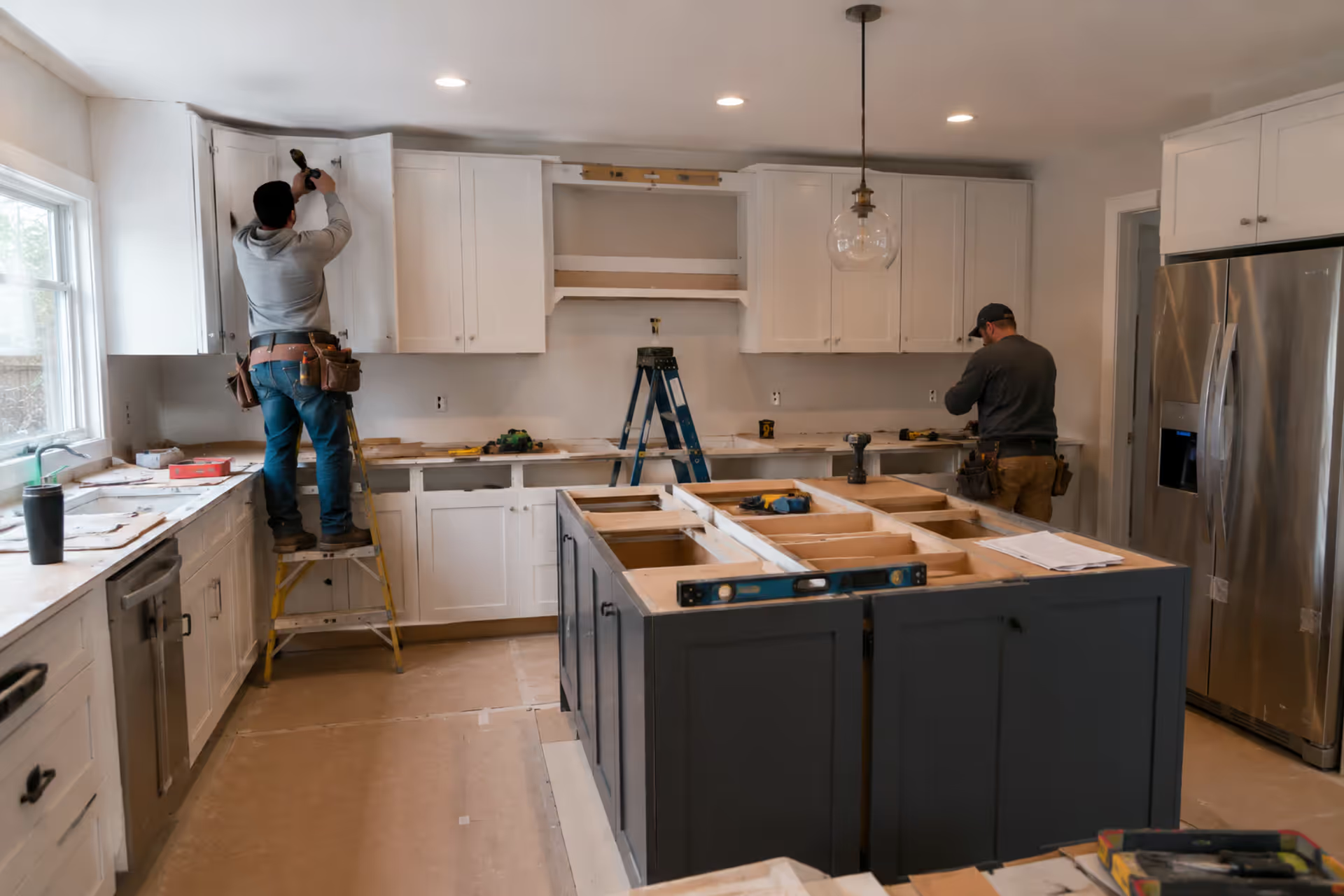
Removing old cabinets adds $300–$800 to most projects. Some contractors include this in their installation quote. Others charge separately. Always clarify upfront. Disposal fees, potential wall repairs, and dealing with unexpected plumbing or electrical issues behind old cabinets can push removal costs higher.
One common mistake? Forgetting about end panels, trim pieces, and filler strips. These "finishing" components often add 10-15% to your cabinet order but they're what makes the installation look professional rather than obviously DIY.
Author: Nathan Cole;
Source: johnhranec.com
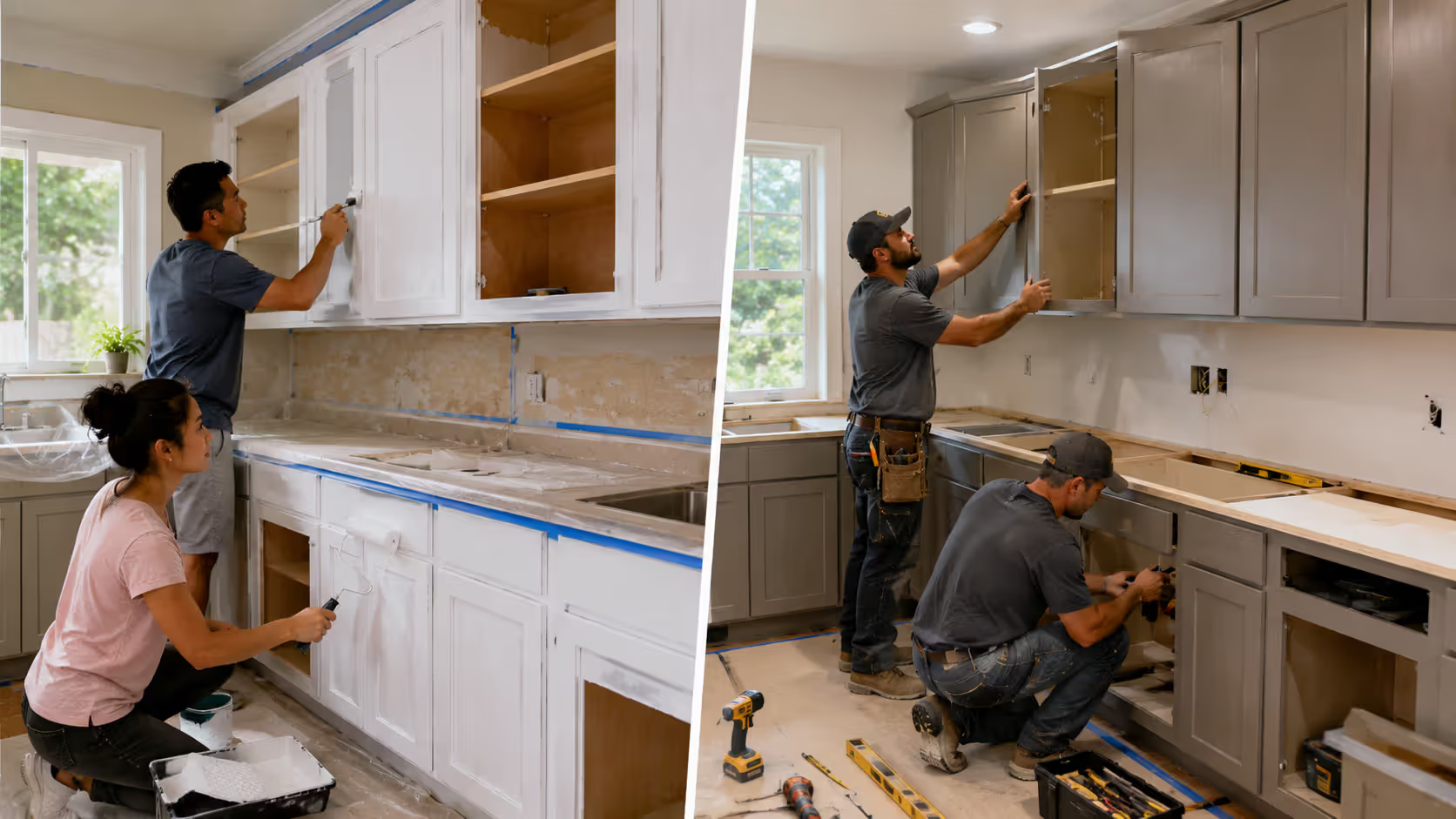
Cabinet Painting vs. Replacement Costs
Not every kitchen needs new cabinets. Sometimes a fresh coat of paint delivers the transformation you want at a fraction of the replacement cost.
Painting makes sense when your existing cabinets are structurally sound, you like the current layout, and you're primarily unhappy with the color or finish. It doesn't work well if your cabinets are falling apart, poorly designed, or if you want to change the kitchen's functionality.
The cost difference is dramatic. Professional cabinet painting runs $3,000–$8,000 for an average kitchen. Compare that to $10,000–$30,000 for mid-range replacement cabinets, and you can see why painting tempts budget-conscious homeowners.
| Factor | Painting Existing Cabinets | Replacing with New Cabinets |
| Average Cost | $3,000–$8,000 | $10,000–$30,000+ |
| Timeline | 3–5 days | 2–6 weeks |
| Lifespan | 5–8 years | 15–30 years |
| Layout Changes | None | Full flexibility |
| ROI at Resale | 50–70% | 70–85% |
But painting has limitations. You can't fix poor layout or add storage. The finish won't last as long as factory-applied coatings on new cabinets. And if your boxes are particleboard that's already swelling from water damage, paint just covers up a deteriorating structure.
The simpler option usually wins here. If you're planning to sell within 5 years, painting might be enough. Planning to stay for 10+ years? Replacement often makes more sense long-term.
Author: Nathan Cole;
Source: johnhranec.com
How Much Does It Cost to Have Cabinets Painted
Professional cabinet painting costs break down into prep work, materials, and application. Expect to pay $40–$100 per cabinet door and drawer front, plus $100–$250 per cabinet box.
A typical kitchen with 20 doors and drawers and 10 cabinet boxes runs $2,500–$5,000 in labor alone. Add materials—primer, paint, clear coat, hardware—and you're at $3,000–$8,000 total.
Factors that push painting costs higher include:
- Surface condition: Damaged or heavily textured surfaces need extensive prep
- Color changes: Going from dark to light requires extra coats
- Finish type: High-gloss finishes demand more skill and time than satin or matte
- Hardware replacement: New hinges and pulls add $200–$1,000
DIY painting costs $200–$600 in materials if you already own basic tools. But here's the reality—cabinet painting is tedious, detail-oriented work. Most DIY attempts look fine from 10 feet away but show brush strokes, drips, or uneven coverage up close. Professional spraying creates a factory-like finish that's hard to replicate without experience and equipment.
Other Kitchen Renovation Costs to Consider
Cabinets rarely get replaced in isolation. Most kitchen projects involve multiple upgrades that need to fit within your overall budget.
Smart planning means understanding how cabinet costs relate to other kitchen expenses. You don't want to blow your entire budget on custom cabinets, then realize you can't afford the countertops you wanted.
Typical kitchen renovation budgets allocate roughly:
- 30-40% to cabinets and installation
- 20-25% to countertops
- 15-20% to labor (beyond cabinet installation)
- 10-15% to appliances
- 5-10% to fixtures and finishes
Kitchen Faucet Replacement Cost
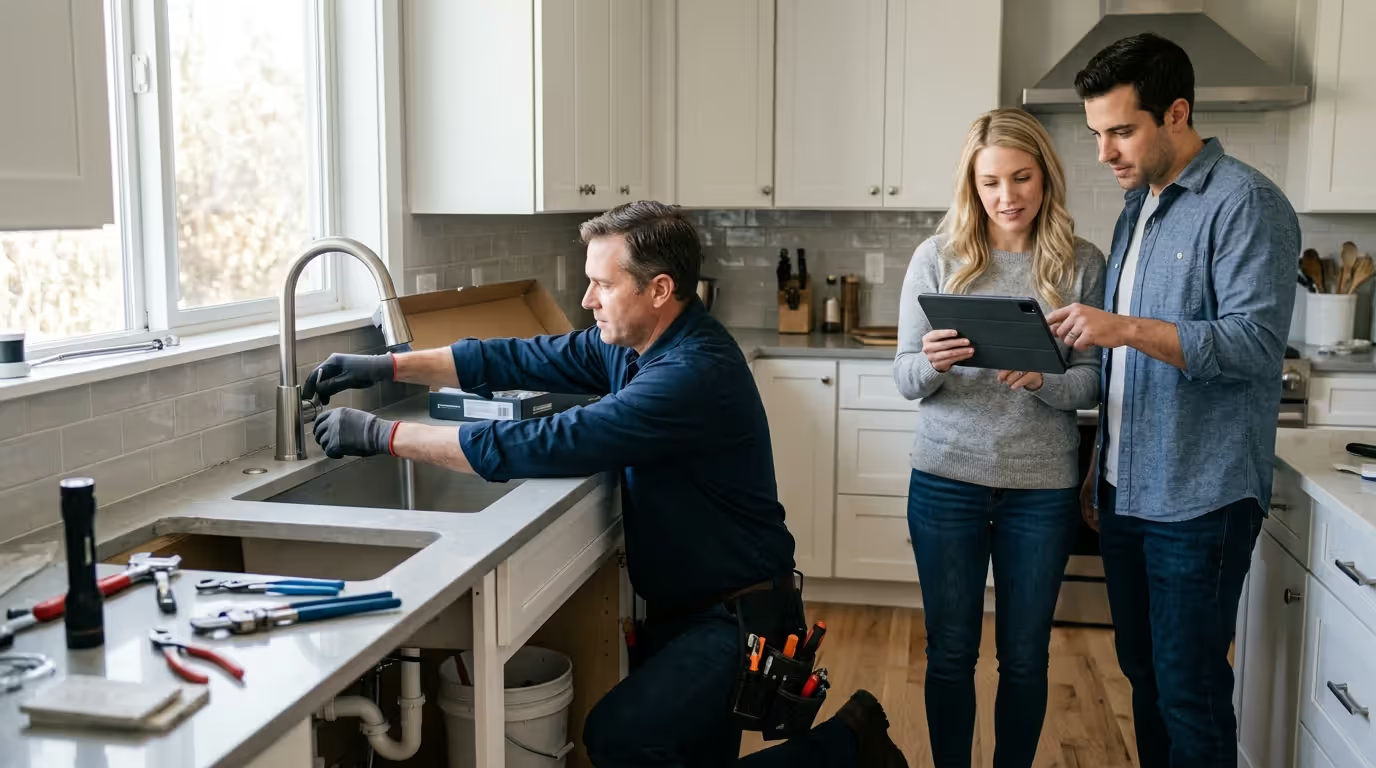
A new kitchen faucet costs $150–$800 for the fixture itself. Installation adds $150–$300 if you hire a plumber, bringing total costs to $300–$1,100.
Basic single-handle faucets start around $100–$200. Mid-range pull-down models with spray functions run $200–$500. High-end options with touchless activation, pot fillers, or commercial-style designs reach $500–$1,500+.
Installation complexity varies. Straightforward replacement with matching hole configurations takes 1–2 hours. Adding a new faucet that requires drilling additional holes or relocating supply lines can double the labor time and cost.
Most homeowners replace faucets during cabinet installation since the countertop's already being disconnected anyway. Doing it separately later means paying for a plumber to make a special trip.
Author: Nathan Cole;
Source: johnhranec.com
Interior House Painting Costs
Whole-house interior painting runs $3,500–$10,000 for a typical 2,000-square-foot home. That breaks down to $1.75–$5.00 per square foot, depending on wall condition, ceiling height, and paint quality.
Kitchen-only painting costs $500–$1,500 for walls and ceiling. This assumes standard 8-foot ceilings and a 150–200 square foot kitchen. Painting just the kitchen makes sense if you're doing a targeted renovation. But if your whole house needs refreshing, bundling the work saves money on labor setup and cleanup.
Factors affecting interior painting costs include:
- Prep work needed: Patching holes, sanding, priming damaged areas
- Color changes: Dark to light requires extra coats
- Trim and detail work: Crown molding, baseboards, door frames add time
- Ceiling texture: Popcorn or heavily textured ceilings cost more
Many homeowners tackle kitchen renovations, then realize their freshly updated kitchen makes the rest of the house look dated. Planning for whole-house painting upfront prevents that awkward mismatch.
How to Budget for Your Kitchen Cabinet Project
Author: Nathan Cole;
Source: johnhranec.com
Start with your total available budget, then work backward. If you have $25,000 for the entire kitchen, you're looking at roughly $7,500–$10,000 for cabinets and installation based on standard allocation percentages.
Get at least three detailed quotes from different cabinet suppliers and installers. Make sure each quote breaks down:
- Cabinet materials and construction
- Hardware and accessories
- Installation labor
- Removal and disposal of existing cabinets
- Any necessary modifications to plumbing or electrical
Don't automatically choose the lowest bid. Cheap quotes often mean lower-quality materials or inexperienced installers. The middle quote frequently offers the best value-to-quality ratio.
The biggest mistake I see homeowners make is not budgeting for the unexpected. Once we open up walls during cabinet removal, we find outdated wiring, plumbing that needs updating, or water damage that must be addressed. Always keep 15-20% of your budget in reserve for these discoveries.
— Martinez Elena
Where to save:
- Choose stock cabinets in standard sizes
- Keep your existing layout to avoid plumbing/electrical moves
- Use open shelving for 1–2 sections instead of upper cabinets
- Select simpler door styles without intricate details
- Install cabinets yourself if you're handy (saves 30-40%)
Where to splurge:
- Drawer glides and hinges—quality hardware lasts decades
- Corners and specialized storage—these solve daily frustrations
- Cabinet boxes—plywood construction outlasts particleboard
- Professional installation—poorly installed cabinets never look right
Financing options for kitchen renovations include home equity loans, home equity lines of credit (HELOCs), personal loans, and contractor financing. Home equity products typically offer the lowest interest rates but use your house as collateral. Personal loans cost more in interest but don't risk your home. Contractor financing often comes with promotional 0% periods but watch for deferred interest traps.
FAQ: Kitchen Cabinet Installation Questions Answered
New kitchen cabinets represent a significant investment, but they also deliver one of the highest returns in home renovation. The key is matching your cabinet choice to your actual needs and budget rather than stretching for features you won't use.
Start by getting clear on your priorities. Do you need more storage? Better organization? A style update? Or complete layout redesign? Your answer determines whether painting, refacing, or full replacement makes the most sense.
Remember that installed cabinet costs include both the boxes and the labor to hang them properly. Skimping on installation to save a few hundred dollars often leads to doors that don't close right, drawers that stick, and a finished look that screams "amateur hour."
And don't forget the supporting cast. Cabinets look their best with complementary countertops, backsplash, lighting, and hardware. Budget for the complete picture, not just the cabinets in isolation.
Your kitchen cabinets will serve you for decades if you choose wisely and install them right. Take your time, get multiple quotes, and invest in quality where it matters most—in the construction and installation that you'll interact with every single day.