Vinyl Plank Flooring Cost Guide
Vinyl Plank Flooring Installation Cost Guide

Content
When you're planning a flooring project, one of the first questions that comes up is cost. Vinyl plank flooring has become one of the most popular choices for homeowners across the US, and for good reason. It looks great, holds up well, and won't destroy your budget. But the final price tag depends on several moving parts. You'll need to factor in materials, labor, your room size, and what's already on your floor. This guide breaks down exactly what you'll pay for vinyl plank installation in 2026, compares it to other flooring types, and shows you where you can save money without cutting corners.
What Affects Vinyl Plank Flooring Installation Cost
The cost of installing vinyl plank flooring isn't a one-size-fits-all number. Several factors push the price up or down.
Material quality matters most. Basic vinyl planks start around $1.50 per square foot, while premium luxury vinyl plank (LVP) can hit $7 per square foot or more. The difference? Thicker wear layers, better graphics, enhanced waterproofing, and longer warranties. Mid-range options typically land between $2.50 and $4 per square foot.
Room size affects your total cost, obviously. But here's what surprises people: smaller rooms often cost more per square foot to install. Why? Fixed costs like delivery, minimum service charges, and setup time get spread across fewer square feet. A 100-square-foot bathroom might run $8 per square foot installed, while a 500-square-foot living room drops to $5 per square foot.
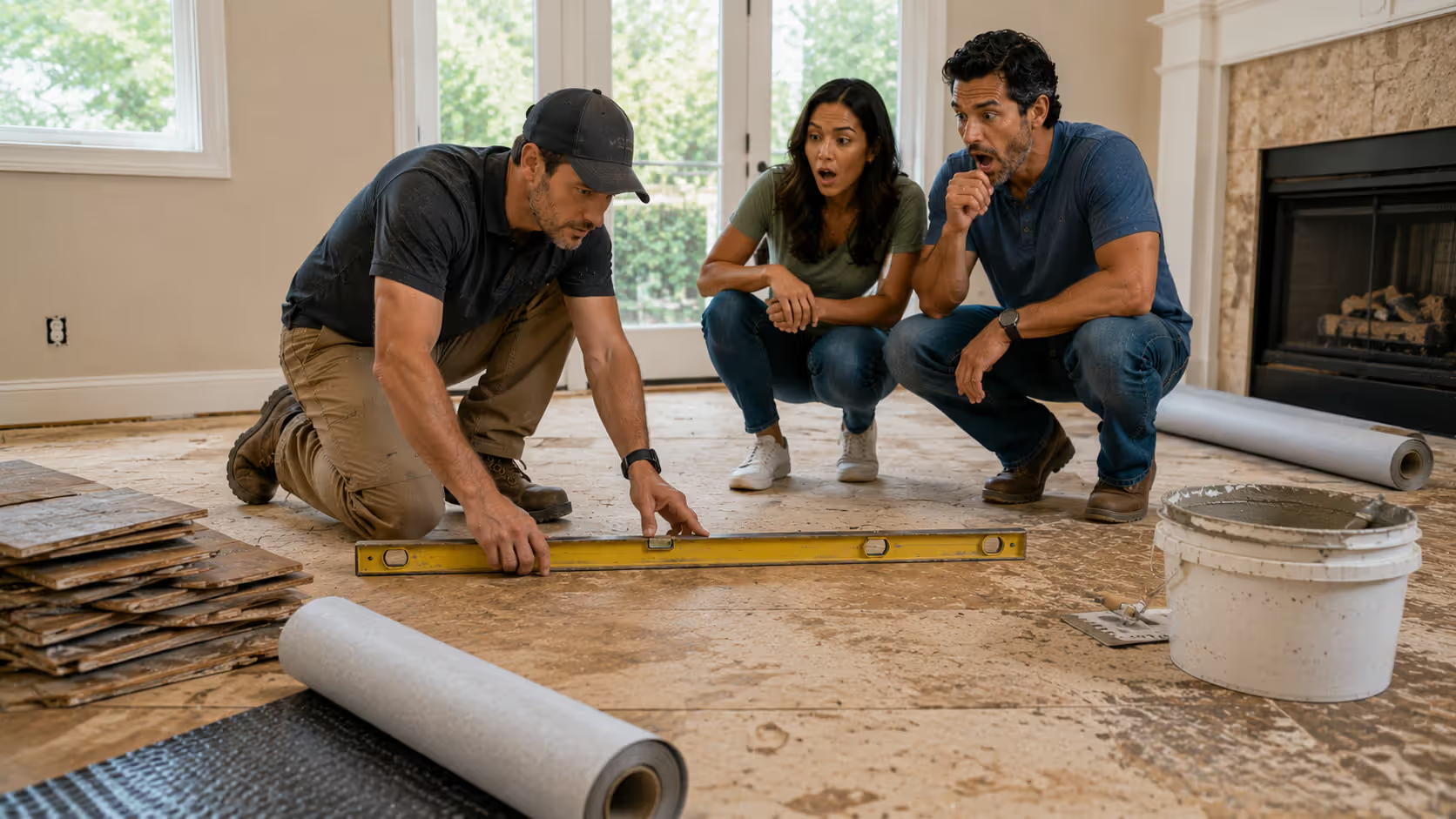
Subfloor preparation can make or break your budget. If your subfloor is level, dry, and clean, you're golden. But many homes need work. Leveling compound runs $1 to $2 per square foot. Moisture barrier installation adds another $0.50 to $1.50 per square foot. Major subfloor repairs? That's where costs spiral.
Labor rates vary dramatically by region. In the Midwest, you might pay $2 to $3 per square foot for installation. West Coast and Northeast markets often charge $4 to $6 per square foot. Major metro areas always cost more than rural locations.
The biggest shock for homeowners isn't the flooring cost—it's discovering their subfloor needs $2,000 in prep work. I always recommend getting a subfloor assessment before you buy materials. It's saved countless clients from budget disasters.
— Martinez Roberto
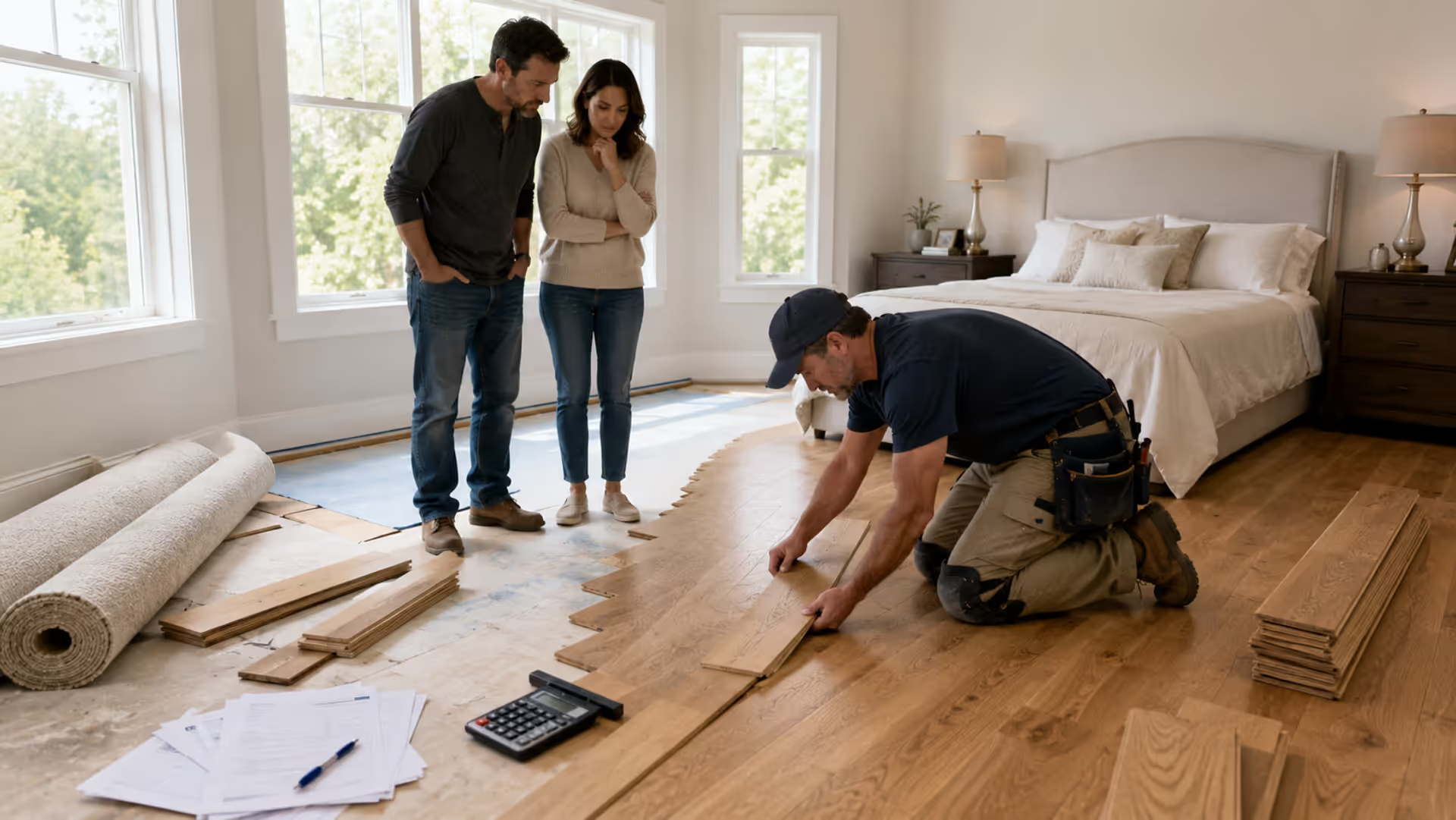
Removing existing flooring adds to the bill. Carpet removal typically costs $1 to $2 per square foot. Tile removal? That's $3 to $5 per square foot because it's labor-intensive and messy. Some contractors include removal in their quote; others charge separately.
The pattern I see most often is homeowners underestimating prep work and removal costs by 30% to 40%.
Author: Nathan Cole;
Source: johnhranec.com
Average LVP Installation Costs by Project Type
Let's get specific with real numbers for different scenarios. These ranges reflect 2026 pricing across the US.
For DIY installation, you're looking at material costs only. Budget-friendly vinyl planks run $1.50 to $2.50 per square foot. Mid-range options sit at $2.50 to $4 per square foot. Premium LVP hits $4 to $7 per square foot. Add underlayment at $0.30 to $0.60 per square foot if it's not attached.
Professional installation combines materials and labor. Expect total costs of $5 to $8 per square foot for budget installations, $8 to $12 per square foot for mid-range projects, and $12 to $15+ per square foot for premium materials with complex layouts.
Kitchen Installation Costs
Kitchens present unique challenges. You'll work around cabinets, appliances, and often need to remove old flooring first.
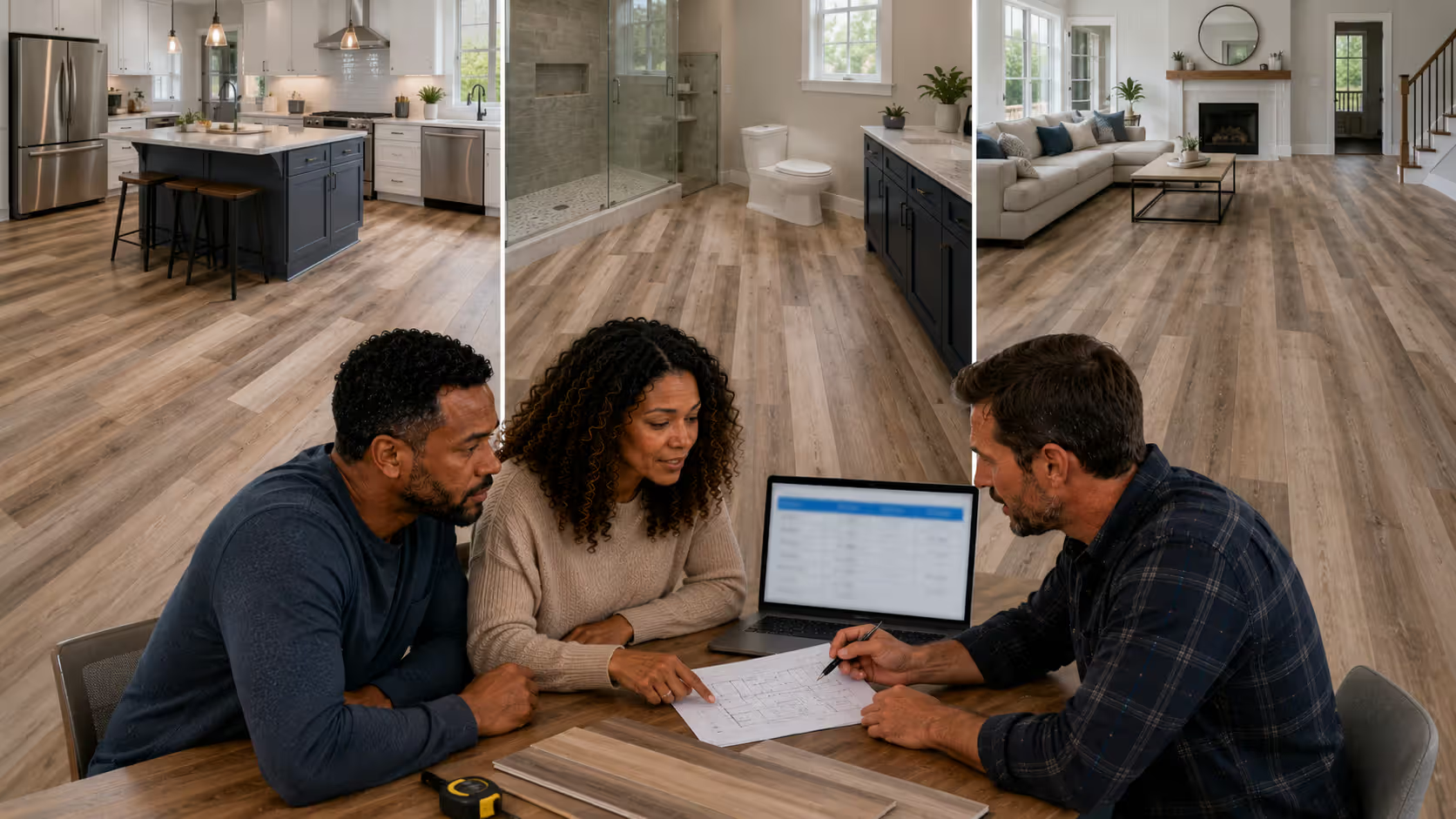
A typical 150-square-foot kitchen costs $750 to $1,125 for DIY materials (mid-range vinyl). Professional installation for the same space runs $1,200 to $1,800 total. That includes removing old flooring, basic subfloor prep, and working around your layout.
Want premium waterproof LVP with professional installation? Budget $1,800 to $2,400 for that 150-square-foot kitchen. It's pricier, but kitchens take serious abuse. The best flooring for kitchen renovation needs to handle spills, dropped pots, and constant foot traffic.
Author: Nathan Cole;
Source: johnhranec.com
Bathroom Installation Costs
Bathrooms are smaller but trickier. You'll cut around toilets, vanities, and doorways. Waterproofing becomes critical here.
A standard 50-square-foot bathroom costs $250 to $400 for DIY materials. Professional installation runs $400 to $700 total. This assumes basic prep and one toilet removal/reinstallation.
The best flooring for bathroom renovation absolutely requires waterproof LVP, not just water-resistant. That distinction matters when your toilet supply line decides to leak at 2 AM.
Whole-Home Installation Costs
Whole-home projects benefit from economies of scale. A 1,500-square-foot home costs $3,750 to $6,000 for DIY materials (mid-range). Professional installation for the same space runs $12,000 to $18,000 total.
Breaking that down: you're paying $8 to $12 per square foot installed. The per-square-foot cost drops because fixed costs get spread across more area. You'll also negotiate better material pricing when buying in bulk.
Vinyl vs. Laminate vs. Hardwood Flooring Costs
Here's where vinyl plank really shines in the flooring types comparison for renovation projects.
| Flooring Type | Cost per Sq Ft (Material) | Installation Cost per Sq Ft | Durability (Years) | Water Resistance | Maintenance Level |
| Vinyl Plank (LVP) | $2–$7 | $3–$6 | 15–25 | Excellent (waterproof) | Low |
| Laminate | $1.50–$5 | $2–$5 | 10–20 | Poor to moderate | Low to moderate |
| Engineered Hardwood | $4–$10 | $4–$8 | 20–30 | Poor | Moderate to high |
| Solid Hardwood | $6–$20 | $6–$12 | 30–100 | Poor | High |
| Carpet | $2–$8 | $1–$3 | 5–15 | Poor | High |
The hardwood vs laminate vs vinyl flooring comparison reveals interesting trade-offs. Hardwood wins on longevity and resale value. But it can't handle moisture and costs 2-3 times more upfront.
Laminate sits between vinyl and hardwood on price. It looks good and installs easily. The fatal flaw? Water damage. Even water-resistant laminate fails when standing water sits for hours.
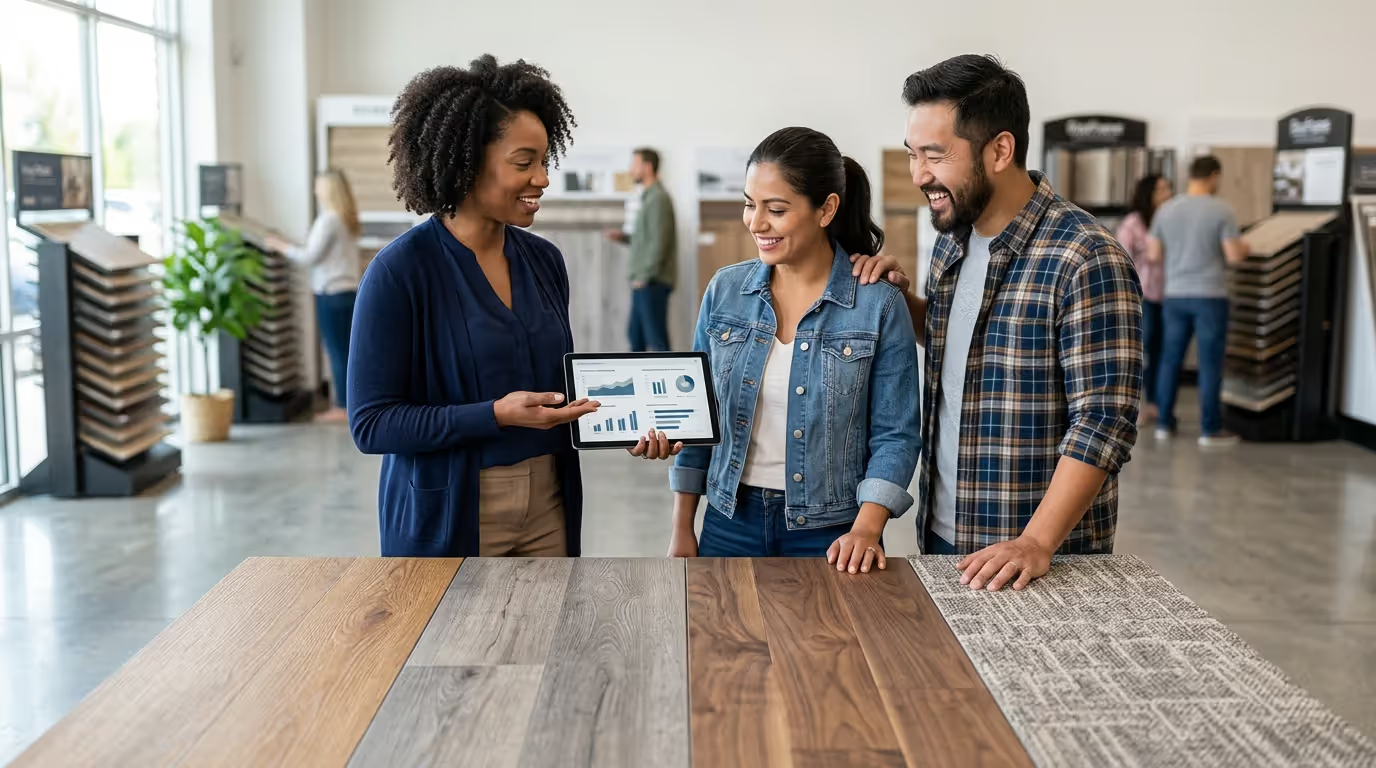
Vinyl plank offers the sweet spot for most homeowners. It's affordable, truly waterproof, and looks remarkably like real wood. You won't refinish it like hardwood, but you also won't replace it every decade like carpet.
Maintenance costs matter too. Hardwood needs refinishing every 7-10 years at $3 to $8 per square foot. That's $1,500 to $4,000 for a 500-square-foot area. Vinyl needs nothing beyond regular cleaning.
Author: Nathan Cole;
Source: johnhranec.com
When Vinyl Plank Flooring Makes the Most Sense
Certain situations make vinyl plank the obvious choice.
Waterproof needs top the list. Basements, bathrooms, laundry rooms, and kitchens all need waterproof flooring options. LVP handles standing water without warping or swelling. Laminate and hardwood can't make that claim.
High-traffic areas love vinyl plank. Busy hallways, entryways, and family rooms see constant wear. Durable flooring for high traffic areas needs a thick wear layer—look for 12 mil or higher on residential LVP. Commercial-grade options hit 20 mil for extreme durability.
Pet owners benefit hugely from vinyl plank. Dog nails won't scratch through quality LVP like they do hardwood. Accidents clean up easily without staining or odor absorption. It's basically pet-proof flooring.
Budget constraints push many toward vinyl. You get a wood look without wood prices. A whole-home installation costs half what hardwood would.
Rental properties make smart use of vinyl plank. It's durable enough to handle tenant turnover, cheap enough to replace if needed, and attractive enough to appeal to renters. Landlords typically recoup installation costs within 3-4 years through higher rents.
DIY-friendly installation matters for handy homeowners. Click-lock vinyl plank installs over most existing floors without glue or nails. You can do a room over a weekend.
Carpet vs. Vinyl Cost Comparison
The is carpet or vinyl flooring cheaper question doesn't have a simple answer. It depends on your timeline.
| Factor | Carpet | Vinyl Plank |
| Initial Material Cost | $2–$8/sq ft | $2–$7/sq ft |
| Installation Cost | $1–$3/sq ft | $3–$6/sq ft |
| Total Initial Cost (500 sq ft) | $1,500–$5,500 | $2,500–$6,500 |
| Average Lifespan | 5–15 years | 15–25 years |
| Cleaning Requirements | High (vacuuming, deep cleaning, stain treatment) | Low (sweep and mop) |
| Best Rooms | Bedrooms, low-traffic areas | Kitchens, bathrooms, high-traffic areas, basements |
| Total 10-Year Cost (500 sq ft) | $3,000–$11,000 (includes 1-2 replacements) | $2,500–$6,500 (no replacement needed) |
Carpet wins on initial cost, especially for installation. But it loses badly on longevity. Most carpet needs replacement after 7-10 years in high-traffic areas. Bedrooms might stretch to 15 years.
Vinyl plank costs more upfront but lasts 15-25 years without major maintenance. Over a decade, you'll likely replace carpet once or twice while vinyl keeps going.
Cleaning creates a hidden cost difference. Carpet needs regular vacuuming, annual deep cleaning ($0.30 to $0.50 per square foot), and spot treatments. Vinyl needs sweeping and occasional mopping. That's it.
Room selection matters. Carpet feels great in bedrooms where comfort trumps durability. Vinyl dominates everywhere else—kitchens, bathrooms, entryways, and family rooms.
The is laminate flooring cheaper than carpet question follows similar logic. Laminate's initial cost matches or slightly exceeds carpet, but it lasts longer and cleans easier.
How to Reduce Your Vinyl Flooring Installation Costs
Author: Nathan Cole;
Source: johnhranec.com
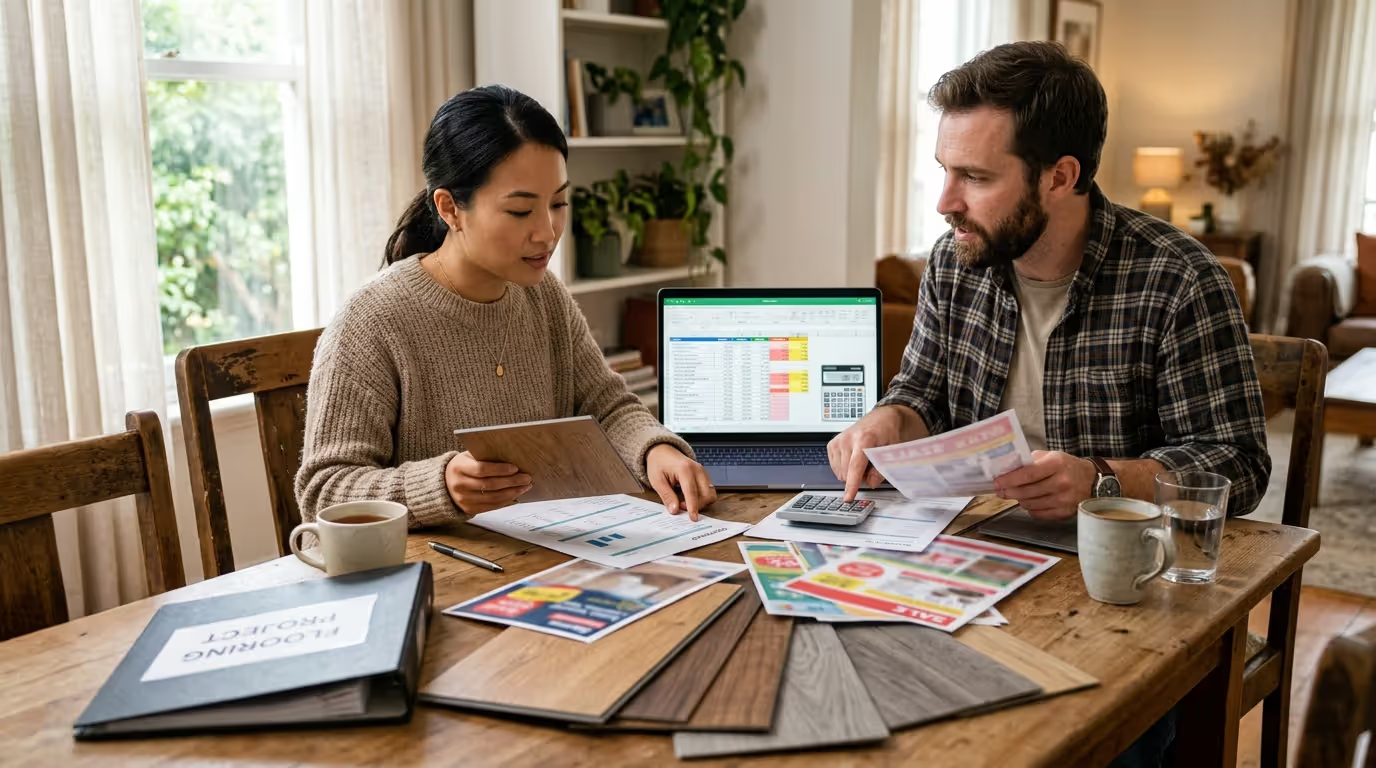
Smart shoppers can cut 20-40% off their flooring installation cost guide estimates.
Timing your purchase saves money. Big-box stores run major flooring sales around Memorial Day, Labor Day, and Black Friday. You'll see 20-30% off materials during these periods. End-of-season clearances in January and July also offer deals on discontinued colors and styles.
DIY prep work cuts labor costs dramatically. You can remove old flooring yourself—rent a floor scraper for $40-60 per day instead of paying $1-2 per square foot for removal. Level small areas with self-leveling compound. Clean and prep the subfloor. These tasks don't require special skills, just time and effort.
Material selection strategies matter. Mid-range vinyl performs nearly as well as premium options for most homes. The difference between a $3 plank and a $6 plank often comes down to brand name and minor aesthetic details. Focus on wear layer thickness (12 mil minimum) and warranty length rather than price alone.
Shop local flooring stores, not just big boxes. Local shops often negotiate on price, especially for whole-home projects. They'll also recommend installers and sometimes offer package deals.
Get multiple quotes—at least three. Installation prices vary wildly. One contractor might charge $4 per square foot while another wants $7 for identical work. Don't automatically choose the lowest bid, but use competing quotes to negotiate.
Author: Nathan Cole;
Source: johnhranec.com
Buy slightly more material than calculated. Order 10% extra to cover waste from cuts and future repairs. Running out mid-project and reordering costs more due to shipping and potential dye lot differences.
Consider click-lock vinyl over glue-down. It's easier for DIY installation and can be installed over most existing floors without removal. That eliminates disposal costs and labor.
Frequently Asked Questions About Vinyl Flooring Costs
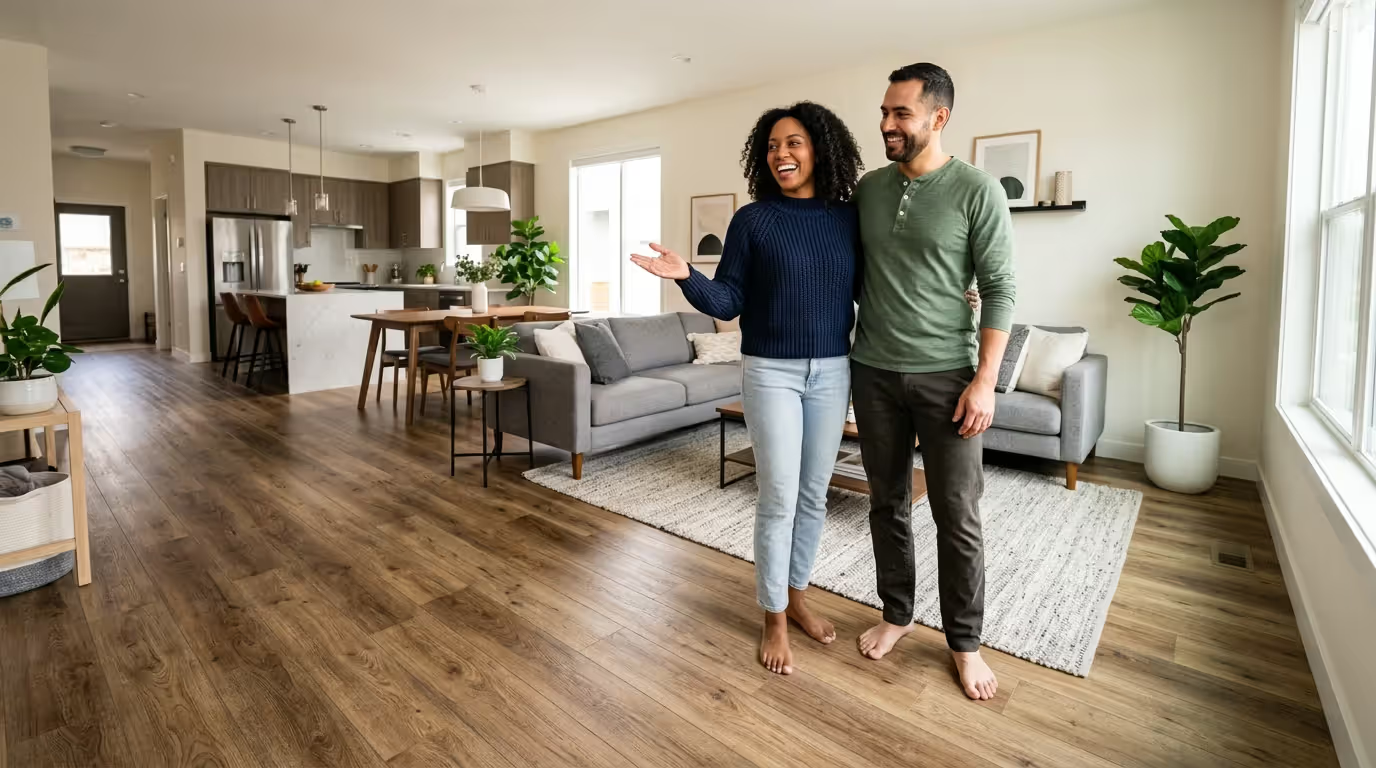
Vinyl plank flooring delivers real value for most homeowners. You're getting a waterproof, durable surface that looks great and won't drain your savings account.
The numbers tell a clear story. You'll spend $5 to $12 per square foot for quality vinyl plank installation in most US markets. That's half the cost of hardwood with better water resistance. It outlasts carpet by a decade and handles moisture better than laminate.
Room selection drives smart decisions. Kitchens and bathrooms need waterproof flooring—vinyl wins here without competition. High-traffic areas benefit from vinyl's durability. Bedrooms work well with vinyl too, though some prefer carpet's softness.
Budget planning starts with honest assessment. Calculate your square footage, add 10% for waste, and get quotes from three installers. Factor in subfloor prep and old flooring removal. These "extras" often add 20-30% to your initial estimate.
DIY installation cuts costs in half if you're reasonably handy. Click-lock vinyl plank doesn't require special skills, just patience and attention to detail. But don't skip subfloor prep—that's where most DIY projects fail.
The best approach? Choose mid-range vinyl with a 12-20 mil wear layer and a solid warranty. You'll get 90% of premium performance at 60% of the cost. Save your money for proper installation and subfloor prep—that's where quality really matters.
Your floors take daily abuse for decades. Investing in the right material and proper installation pays off every single day you walk across them.